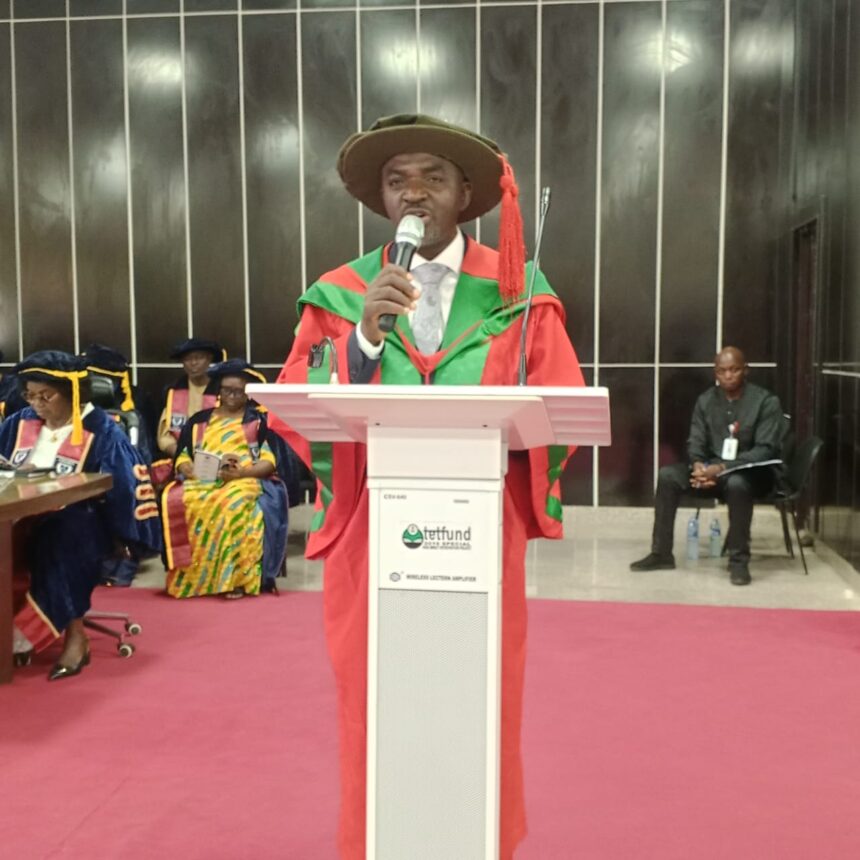
By Victoria Okpanachi
A Professor of Political Economy, Governance and Inquiry, Professor Abraham Peter, has called for a fundamental rethink of governance in post-colonial states, arguing that political leaders must move beyond democratic rituals and focus on the substantive ingredients required to drive sustainable development.
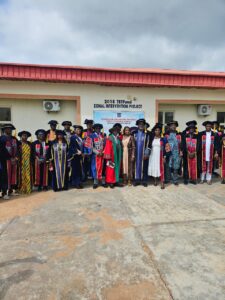
He made the call recently while delivering the 43rd Inaugural Lecture of Federal University Lokoja with the topic: Between the Ritual and the Ingredients: An Inquiry into the Political Economy of Governance in a Post-Colonial State.
The political scientist examined the paradox of governance in many post-colonial societies where democratic institutions and electoral processes exist, yet socio-economic development and the welfare of citizens remains elusive.
Related News

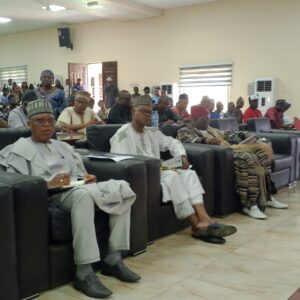
He noted that while scholars have examined how Europe underdeveloped Africa through colonial exploitation, economic dependency and resource extraction, the realities of several decades after independence now demand a new question which is now How Africa underdeveloped Africa?
Prof. Peter maintained that many African states have become preoccupied with the rituals of democracy like, regular elections, political campaigns and party congresses while neglecting the critical ingredients like accountability, transparency and visionary leadership that make governance effective and development-oriented.

He maintained that without responsible leadership and effective institutions, democratic practices risk becoming empty rituals that neglect the welfare of citizens.
The inaugural lecturer therefore called for a renewed commitment to institutional reforms, ethical leadership and citizen-centred governance, stressing that African nations must begin to take greater responsibility for their developmental trajectories rather than attributing all challenges to colonial legacies.
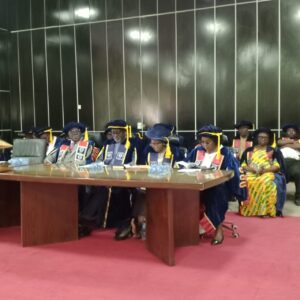
Speaking earlier, the Vice-Chancellor of Federal University Lokoja, Professor Gbenga Ibileye, commended Prof. Peter for selecting a topic that addresses one of the most pressing governance questions facing Nigeria and other developing countries.
Prof. Ibileye described the lecture as a valuable contribution to a critical national discourse on governance, development and nation-building, noting that universities have a responsibility not only to impact knowledge but also to provide practical solutions to societal challenges through research and intellectual engagement.