By Aisha Audu
Muslims in Kogi State, have been urged to actively work towards breaking cycles of generational trauma, as unresolved pain, driven by systemic abuse and domestic violence could have negative impact on the future of the next generation.
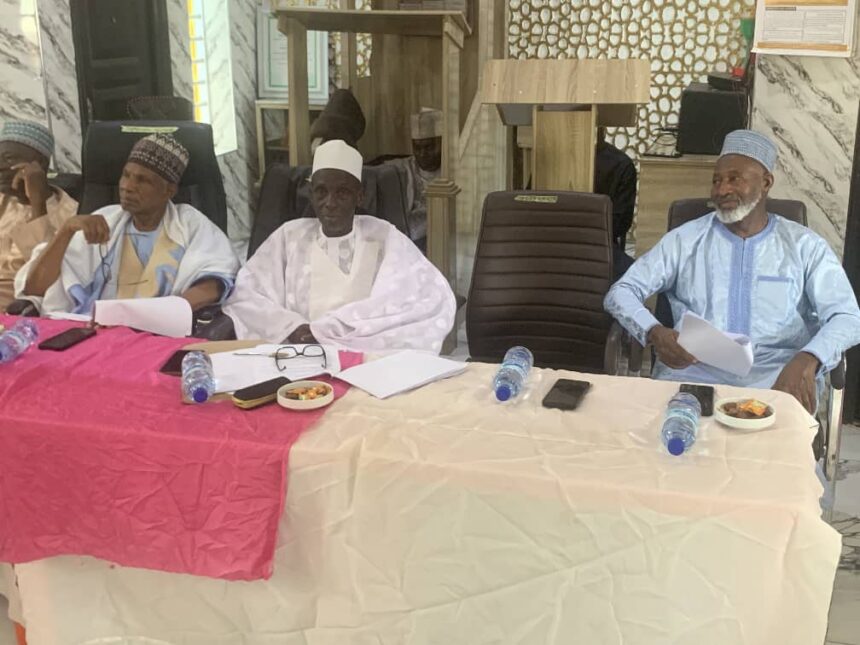
The call was made during the 15th edition of the Miftahul Khairat Juma’at Masjid monthly lecture, held in collaboration with the Sisters of Jannah in Lokoja
The Kogi State Secretary of Jama’atu Nasril Islam, (JNI), Alhaji Isa Adeboye, who also chaired the occasion, made the call describing the topic, “Breaking the Circle of Generational Trauma among Muslim Adults through Faith and Self Awareness,” as timely and relevant.
Related News

He observed that many of the challenges facing society today, such as broken marriages, domestic violence, poor communication, harsh parenting, and family conflicts, did not begin overnight.
According to him, they are patterns that have quietly been passed from one generation to another.
He stressed that the next generation has been entrusted by Allah and that the lecture was more than a discussion on trauma; but more of a call to protect the future of the Ummah (Muslim faithful).
Delivering the lecture, the Chief Executive Officer of Bright Path Initiative for Societal Development, Ustaz Sadiq Abu-Khair, defined generational trauma as the emotional, psychological, behavioral, and spiritual effects of unresolved traumatic experiences transmitted across generations.
He explained that parents raised in harsh environments may unintentionally become harsh parents, those constantly criticized in childhood may grow up with low self-esteem, and children who rarely receive affection may struggle to express love and compassion.
Ustaz Sadiq urged Muslims to break the cycle by promoting mental health awareness, encouraging self-awareness and personal development, strengthening Islamic parenting education, providing access to professional support, and building healthy family communication.
In his remarks, the Chief Imam of Miftahul Khairat Juma’at Masjid and Kadi of the Kogi State Sharia Court of Appeal, Kadi Muhammad Bello, said Muslims continue to experience broken homes, failed marriages, domestic violence, and family conflicts as a result of generational trauma.
He noted that the lecture explored how these patterns are passed down and how they can be addressed.
Drawing on the guidance of the Quran and Sunnah, alongside practical counseling insights, he said the session offered faith-based approaches to healing emotional wounds, strengthening marriages, improving family relationships, and raising a generation rooted in mercy, wisdom, and righteousness.
Representatives of the Judiciary, JNI, the Council of Ulama’u, and the Federation of Muslim Women’s Associations in Nigeria (FOMWAN) commended Miftahul Khairat for sustaining the monthly lecture series. They called for the establishment of a counseling center to help address the challenges confronting Muslim families in the State.