By Abubakar Abraham
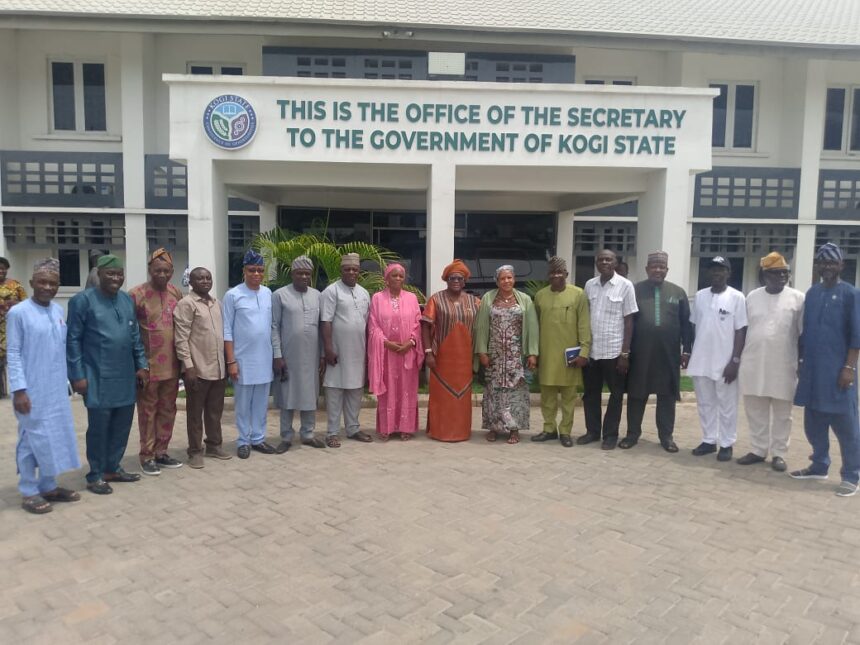
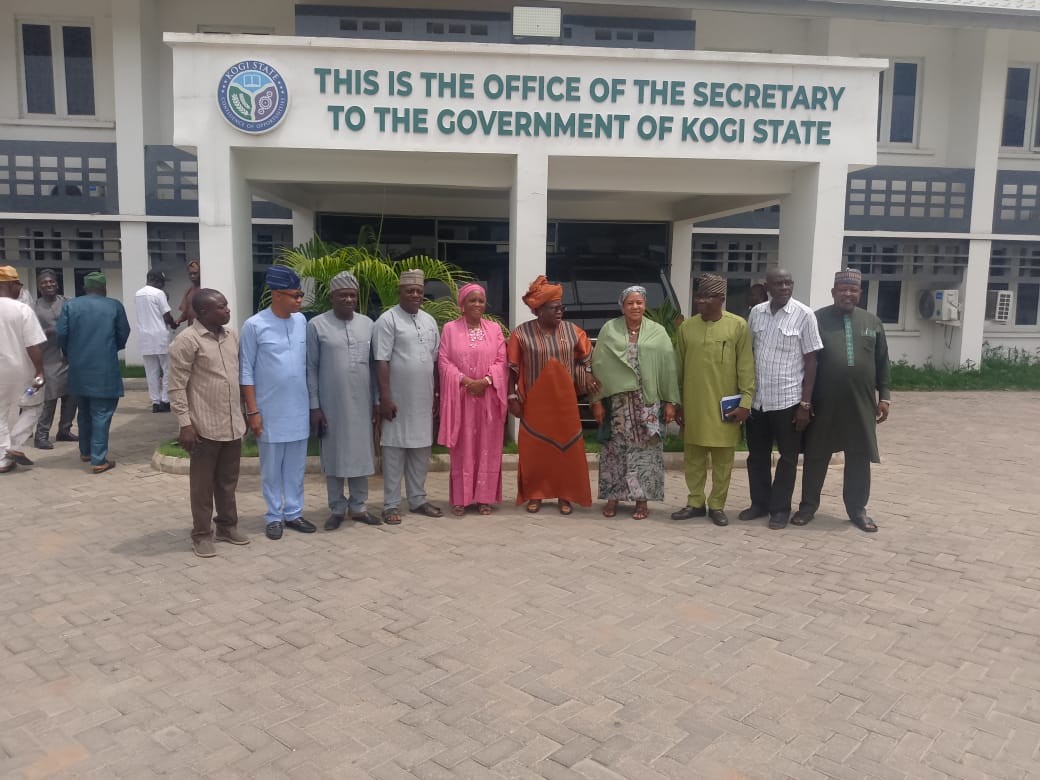
In a significant move towards strengthening social protection and economic recovery, Governor Ahmed Usman Ododo of Kogi State, has officially inaugurated the State Steering Committee for the Nigeria Community Action for Resilience and Economic Stimulus Programme (NG-CARES 2.0).
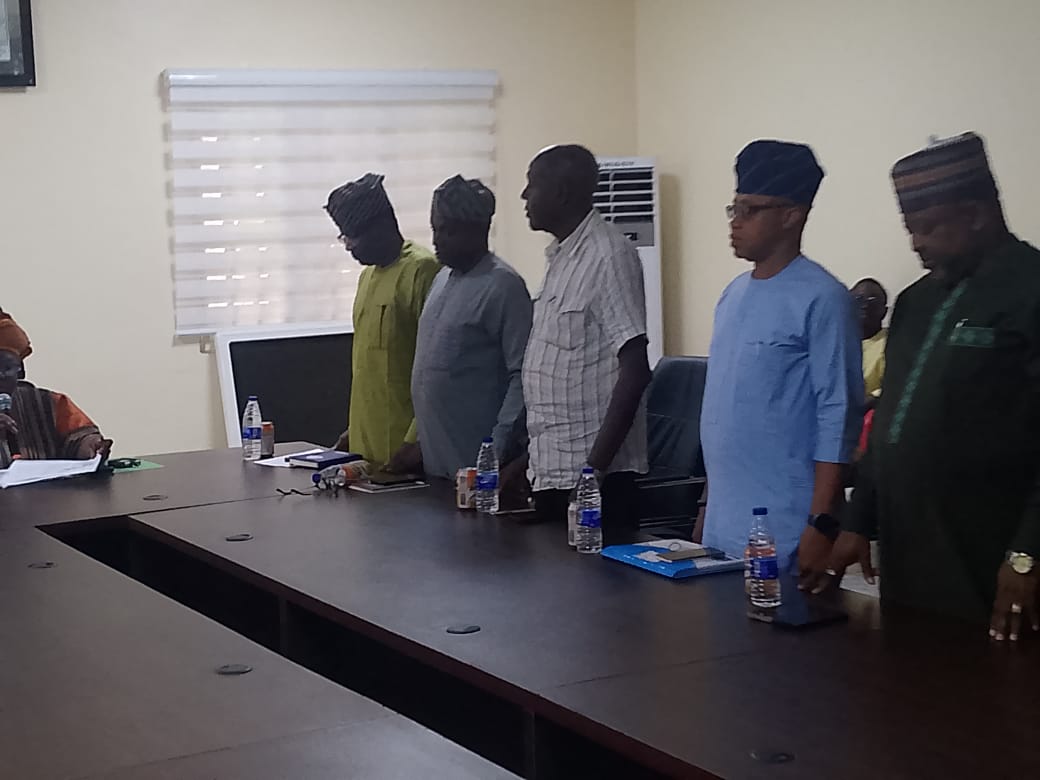
The colourful ceremony, which took place in Lokoja, underscores the administration’s unwavering commitment to alleviating poverty and improving the livelihoods of vulnerable citizens, particularly women and children.
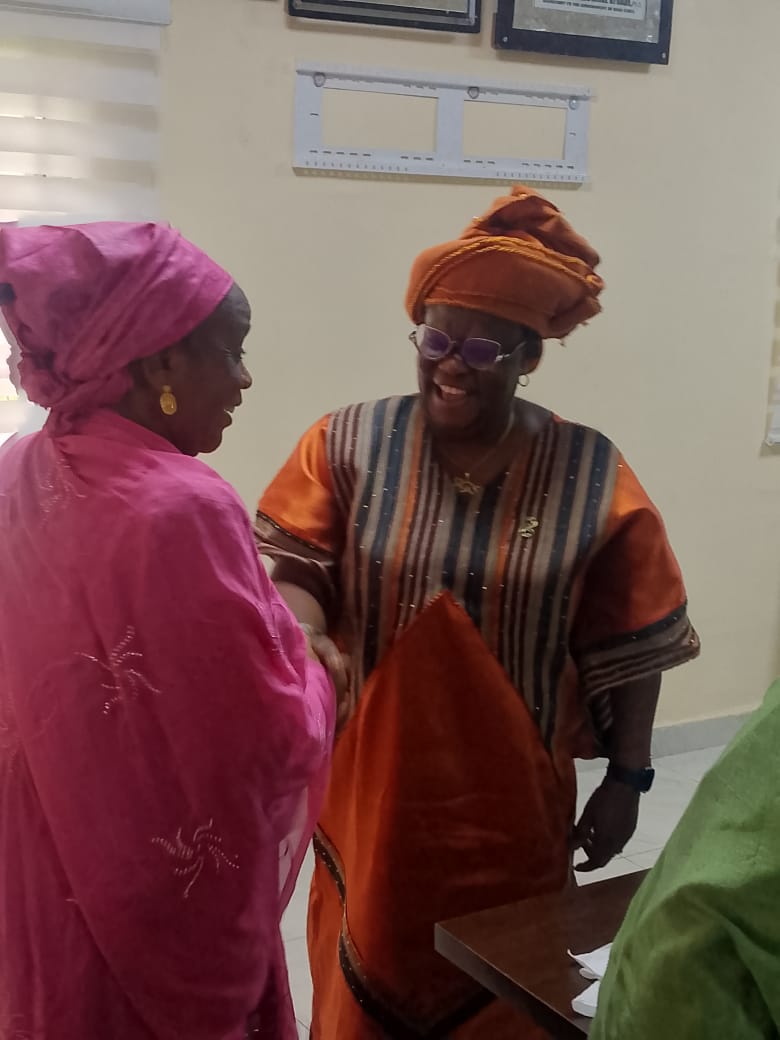
Commissioner for Humanitarian Affairs and Poverty Alleviation, Dr. Mrs. Folashade Arike Ayoade, who inaugurated the committee on behalf of Governor Ododo, described the initiative as a critical humanitarian intervention designed to provide lasting solutions to the socio-economic challenges facing the state.
Related News

In her inaugural address, Dr. Ayoade stressed the programme’s focus is on those mostly affected by poverty.“ It is a humanitarian programme designed to reduce poverty” she explained..
“When we talk of people that are really affected by poverty that require humanitarian support, they are the women and the children, and that’s why we have the Honourable Commissioner for Women Affairs and Social Development in our midst.”
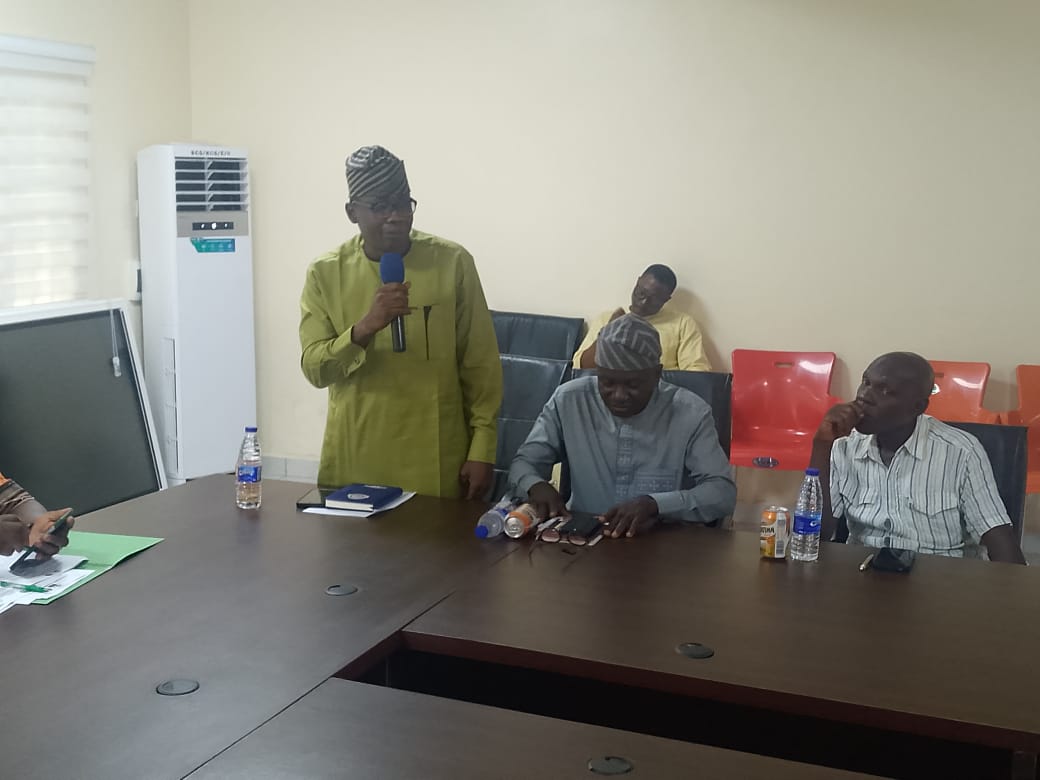
Dr. Ayoade further charged members of the committee to collaborate effectively, likening the need for synergy to the difference between “eggs and ants.” She urged them to put their heads together to deliver on the programme’s objectives.
The committee is chaired by the Commissioner for Finance, Budget and Economic Planning, Ashiru Asiwaju Idris.
In a notable arrangement to ensure smooth access to funds, Governor Ododo has granted the Chairman approval to operate partly from Abuja. Dr. Ayoade explained: “Ashiru Asiwaju Idris, the Commissioner of Finance, Budget and Economic Planning, is the chairman. He has his office in Abuja because he needs to be going to Ministry of Finance at the federal level to get us money. So His Excellency has given him permission to stay in Abuja and make sure that all the money for the state gets to us to finance the programme”
Mr. Sunday Igoche, the State Coordinator of NG-CARES and Secretary of the Steering Committee, provided valuable insights into the evolution of the programme. He explained that NG-CARES 2.0 represents a continuation and expansion of the successful NG-CARES 1.0, which was primarily an emergency response to the devastating impacts of the COVID-19 pandemic.
“NG-CARES 1.0 has to do strictly with an emergency response to the effect of COVID-19 on the livelihood of individuals, businesses, nano, small industries. Now you know there is no more COVID-19 again. So what we are trying to do is to build resilience in these individuals,” Mr. Igoche stated.
He noted that the new phase shifts focus from emergency relief to long-term resilience building, livelihood support, and economic stimulus.
The national NG-CARES programme is valued at approximately $500 million, with Kogi State positioned to receive about $12 million in this phase, an increase from the $7 million received under the first phase. This enhanced funding is expected to make a substantial difference in the lives of beneficiaries across the state.
The programme is structured around three major result areas: Livelihood support, food security and agricultural development, and institutional strengthening. Result Area One focuses on social transfers targeting the aged, chronically ill, and other vulnerable groups. Result Area Two addresses food security along the entire food chain, while Result Area Three emphasizes institutional strengthening, including the expansion and updating of the social register.
Implementation will be handled by various specialized agencies. The State Cash Transfer Unit and Labour Intensive Public Works programmes will drive livelihood support initiatives. The FADAMA project will take the lead in agriculture and food security components, while SOKO will be responsible for building, expanding, and updating the social register alongside institutional strengthening efforts.
During the inauguration, several key government functionaries pledged their commitment to the success of the programme. These included the Permanent Secretary, Ministry of Finance, Budget and Economic Planning; the Permanent Secretary, Ministry of Environment and Ecological Management; the Director of Services, Ministry of Agriculture; the General Manager, Consolidated Account; the Auditor General of the State; and representatives from the Ministries of Women Affairs and Social Development, Youth and Sports, among others.
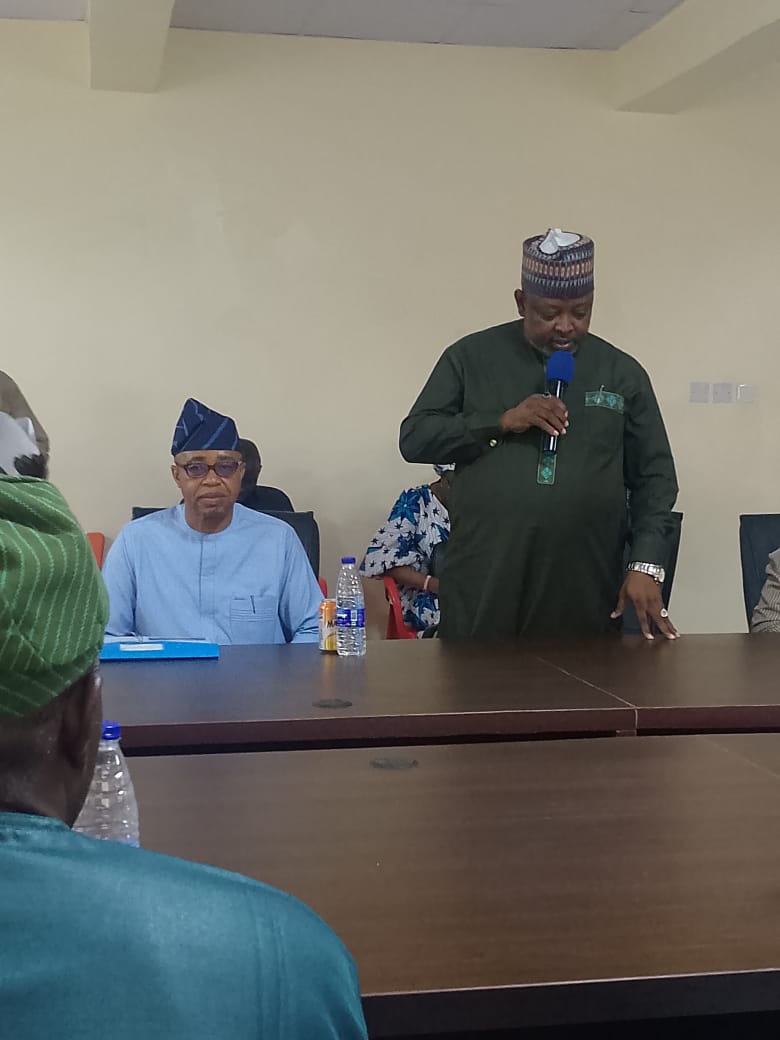
The Permanent Secretary of the Ministry of Finance delivered remarks highlighting the fiscal responsibilities tied to the programme, while other speakers expressed gratitude for their appointments and reaffirmed their dedication to serving humanity and realizing the vision of Governor Ododo.
One speaker expressed profound appreciation for the opportunity to contribute to alleviating suffering in the state, stating that the committee remains committed to “realizing the leaders’ dreams and serving humanity.” The event also featured introductions by various General Managers, Directors, and technical representatives from relevant ministries and agencies, showcasing the broad-based, multi-sectoral approach to the programme.
The steering committee’s primary mandate is to provide high-level oversight, policy direction, and strategic guidance to ensure transparent, efficient, and impactful implementation of NG-CARES 2.0 across Kogi State. This collaborative framework brings together expertise from finance, agriculture, environment, women affairs, youth development, and other critical sectors.
In his broader vision for the state, Governor Ododo has consistently emphasised inclusive development, poverty reduction, and economic empowerment. The inauguration of this committee aligns perfectly with his administration’s priorities of delivering dividends of democracy to the grassroots, particularly in rural communities where poverty incidence remains relatively high.
Stakeholders believe that with effective implementation, NG-CARES 2.0 will significantly enhance food security, create employment opportunities through public works, expand access to social safety nets, and strengthen the institutional capacity for social protection in Kogi State. The programme is also expected to stimulate local economies by supporting smallholder farmers, nano and small businesses, and vulnerable households.
As Kogi State joins other states across the federation in implementing this transformative initiative, the successful execution of NG-CARES 2.0 is anticipated to leave a lasting positive impact on the socio-economic landscape of the Confluence State.
Governor Ododo’s proactive leadership in constituting a robust steering committee demonstrates his determination to leave no one behind in the journey towards a more prosperous and resilient Kogi State.