By Victoria Okpanachi
Growing up, there was always a Saturday set aside for neighbourhood cleaning of the environment. This was more like a tradition which ensured that the surroundings were usually kept clean and people acted responsibly as regards throwing trash around. Today, that culture of community service has slowly faded, because of busy schedules, while for others, it is a lack of patriotism. They will rather not do anything for their neighbourhood or community. Many people now focus only on what affects them directly, forgetting that our environment reflects who we are and the values we hold. Everyone is concerned about what impacts them directly but what we fail to understand is that our environment is a reflection of the people we are and the values we carry. There is a growing concern where a lot of people now feel so comfortable throwing their trash and waste by the roadside, creating dangers which include environmental pollution, flooding, health risks, bad odours, and the spread of diseases. If this menace is not controlled, lokoja will gradually drip into a garbage city.
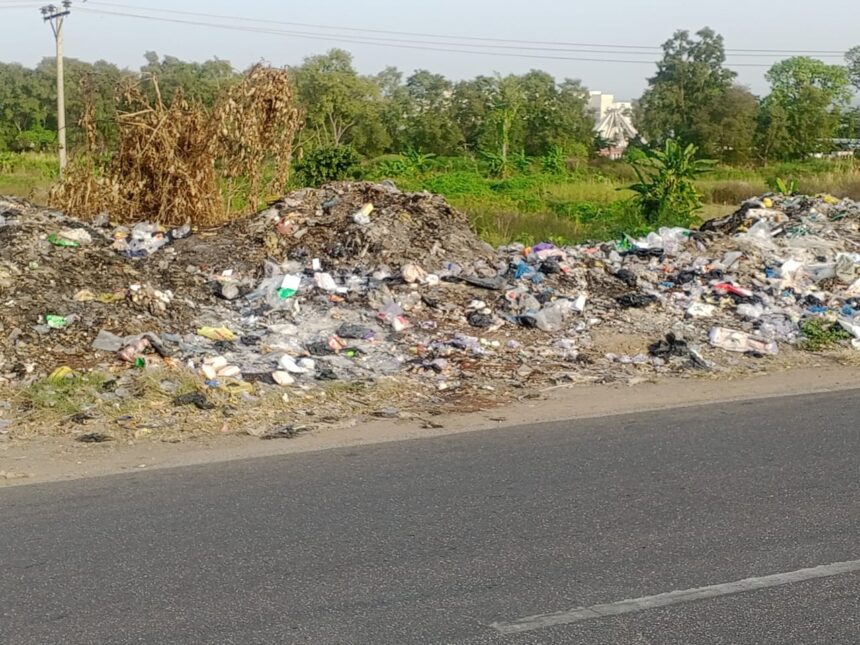
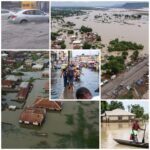
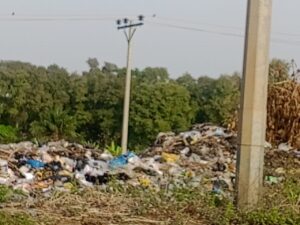
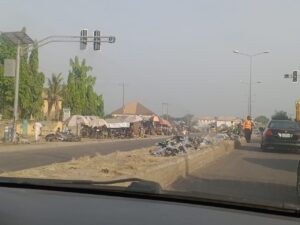
The town is slowly choking with smell, heaps of refuse are sprouting along major roads, gutters, marketplaces, and even residential corners, and we move about our daily activities like we are not seeing the dangers. Indiscriminate disposal of waste has become so normalised that we sit comfortably and are quiet when we see someone fling a nylon bag from a moving tricycle, car and bikes or empty household refuse into a drainage meant for rainwater, or by the divider of the road, or someone packs by the road side, comes down to throw refuse. How do you explain taking trash from your house and coming to dump it by the roadside? Everyone is turning a blind eye, while the city is gradually turning into a breeding ground for disease. Without being told, if this act is not checked, it becomes a direct threat to public health. When waste sits on the road, it decomposes in the open, releasing foul odours, attracting rodents, and inviting flies that carry diseases like cholera, typhoid, diarrhoea, and malaria. When the rains come, the same refuse blocks drainage channels, causing stagnant water that becomes a breeding site for mosquitoes.
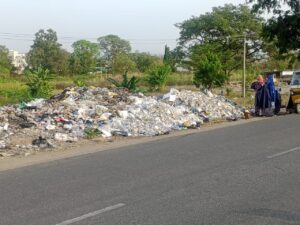
We often complain about what the government has not done, or what it is yet to do. But beyond waiting for government action, every citizen has a role to play. When waste is dumped carelessly on roads and in gutters, it creates serious health hazards, from the spread of disease to blocked drainages and flooding. When you take a walk from Ganaja Junction to the 500 Units the level of dirt being trashed on the roadside will amaze you, not to mention old market to international market. Gutters, road dividers and street corners have become convenient dumping spots for refuse. People confidently trash their garbage in broad daylight. Some may argue that the waste is left there for the Kogi State Sanitation and Waste Management Board to collect. But must it be left scattered and flying about? Rubbish can be neatly gathered, properly tied, and placed in a corner where collection vans can easily access it. Beyond the physical health risks, a dirty environment also affects our mental well-being and sense of pride. When streets are littered with waste, it sends a message of neglect and indifference. When children grow up and see poor waste habits as normal, that kind of value is passed on and the cycle continues. Keeping our city clean and safe is not the duty of the government alone, it is a shared responsibility that begins with every citizen.
Related News
A clean environment protects our health, reduces flooding and makes our neighbourhoods more pleasant to live in. When people take responsibility for their surroundings, the benefits are felt by everyone. One way to achieve this is by bringing back the culture of Saturday sanitation. In the past, various groups took turns every Saturday to clean their streets, gutters and public spaces. Everyone was involved, and this created a strong sense of ownership and pride. When people work together to clean their environment, they are less likely to throw rubbish carelessly afterwards. Collective cleaning also makes it easier to put simple structures in place to protect the effort already made. Communities can agree on designated dumping points, set basic rules and gently discourage those who try to spoil the work by littering. When neighbours know that others will be cleaning again the following Saturday, they think twice before dumping waste indiscriminately. While government policies and agencies are important, meaningful change can also come from the people when they own this operation to keep lokoja clean. Non-governmental organisations, community groups, religious bodies and youth associations can take the lead by organising regular clean-up exercises in their neighbourhoods. By taking turns to clean streets, markets and public spaces, these groups can set an example and show that maintaining a clean environment is a shared responsibility. Such activities should go hand in hand with sensitisation and education.
Cleaning alone is not enough if people continue to dump waste carelessly the next day. Community leaders, NGOs and volunteers can engage residents in simple conversations about the dangers of improper waste disposal and the benefits of a clean environment. When people understand that throwing rubbish on the road can lead to flooding, disease and higher living costs, they are more likely to change their behaviour. Schools can also play a role by teaching children good waste habits early, so they grow up with a sense of responsibility towards their surroundings. When residents keep their surroundings clean, government waste management efforts become more effective and less costly. Some residents along the affected areas expressed concern over the situation and its impact on daily life. Mr. Chukwudi Ezea, a trader at 200 Units, described the refuse buildup as both embarrassing and dangerous. He noted that piles of dustbins left in the middle of the road litter the major road as we now approach the harmattan season and expose people to health risks.
According to him, the practice of burning refuse in broad daylight has become common because residents feel abandoned, but the smoke makes it difficult to breathe, while posing a health hazard. Mr Kamal Abbas, a staff of the Federal Government and a resident of Zango while reacting also criticised the poor waste management along the corridor. He said the sight of overflowing bins from Ganaja to Natacco gives visitors a bad impression of the city. He added that while residents have a duty to dispose waste properly, authorities must be more consistent in collection, stressing that neglect from either side worsens the problem. Mrs. Mary Apeh, a trader at the Old Market, said the situation has directly affected her business. She stressed that citizens organising themselves to clean the town will go a long way to compliment the government’s effort. As we approach the year 2026, this is an opportunity to think of how we manage waste, particularly through recycling. Waste should not always be seen as useless, with the right systems in place, it can become a resource. Plastics, paper, metals and organic waste can be separated and recycled instead of being dumped on the streets. Community-based recycling initiatives can be set up, where residents are encouraged to sort their waste at home and take it to designated dumping or collection points.
Recycling also presents an opportunity for income generation. Many people are already making money from collecting and selling recyclable materials, but this can be better organised and made safer. With proper training and support, small recycling hubs can be created within communities, like the one at peace community, providing jobs while reducing the volume of waste that ends up in drains and landfills. Young people, in particular, can be empowered to see recycling not just as an environmental duty, but as a viable livelihood. A cleaner city is not an impossible dream. It begins with simple actions like refusing to throw rubbish on the road, using designated waste points, joining community clean-ups and educating others by example. When individuals take responsibility for their immediate environment, the impact is enormous. The government alone cannot achieve it, and neither can citizens acting in isolation. But together, through citizens’ responsibility, cooperation and a renewed respect for our environment, we can create a town that is not only clean, but has more dignified places to live. The cleanliness of lokoja is in the hands of its residents, and like the saying goes, cleanliness is next to godliness.