From David Onuoja, Abuja
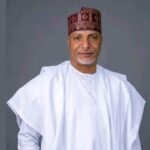
The Managing Director, and Chief Executive Officer of the Nigerian Independent System Operator (NISO), Engr. Abdu Mohammed, has called for tighter coordination across the Nigerian Electricity Supply Industry to strengthen grid stability and ensure a more reliable power supply.
He stated this, while addressing stakeholders at the opening of a two-day workshop themed “Strengthening Grid Stability: A Collaborative Workshop for NESI Stakeholders” at Jebba Power Station recently.
Mohammed said, grid stability remains the foundation for the security, reliability and resilience of the nation’s power system. He equally thanked Mainstream Energy Solutions Limited for hosting the event, describing the timing as strategically significant given the pressures currently facing the grid.
According to the NISO boss, the national power system is operating under increasingly complex conditions. He listed generation and transmission constraints, changing demand patterns, frequency excursions, voltage-security challenges, and the need to coordinate a more diverse mix of energy resources as the key issues.
Related News

He noted that maintaining stability in this environment requires continuous vigilance, operational excellence and long-term strategic planning.
Engr. Mohammed further explained that frequency excursions often result from a combination of factors, including sudden generation or load losses, forecasting and scheduling errors, fault-induced disturbances, inadequate system inertia, and how generating units respond during events.
Citing NISO’s ongoing compliance monitoring, he stressed, the importance of adherence to technical standards such as Free Governor Control requirements, but added that stability cannot be achieved by one agency alone. “Grid stability is a shared responsibility and can only be achieved through coordinated action across all segments of the industry,” he said.
Mohammed added that, addressing the challenges will require more than technical fixes. He called for accurate and timely operational information, adequate frequency and voltage control resources, effective reserve management, strict compliance with the Grid Code, operational discipline, and seamless coordination among stakeholders.
With new generation projects, transmission infrastructure and other greenfield investments underway, NISO boss added that, system planning must now assess transmission adequacy, system strength, flexibility, reserve requirements and future demand growth to support long-term reliability.
Over the next two days, participants are expected to move from diagnosing problems to agreeing on solutions. Saying, it remains committed to deepening collaboration with the Transmission Company of Nigeria, Generation Companies, Distribution Companies, the Nigerian Electricity Regulatory Commission and policymakers.
The workshop was aimed to produce a stakeholder-validated understanding of threats to grid stability, measurable commitments on frequency and voltage control, practical coordination protocols for managing disturbances, better alignment between operations and planning, and a mechanism to monitor implementation.
The NISO CEO concluded by urging the participants to engage openly, share experiences and challenge assumptions where necessary. “Let us seize this opportunity not only to strengthen our technical capabilities but also to reinforce the collaboration, accountability and strategic foresight required to safeguard the integrity of Nigeria’s electricity grid both now and in the future,” he said.