From Taiye Joseph, Ilorin
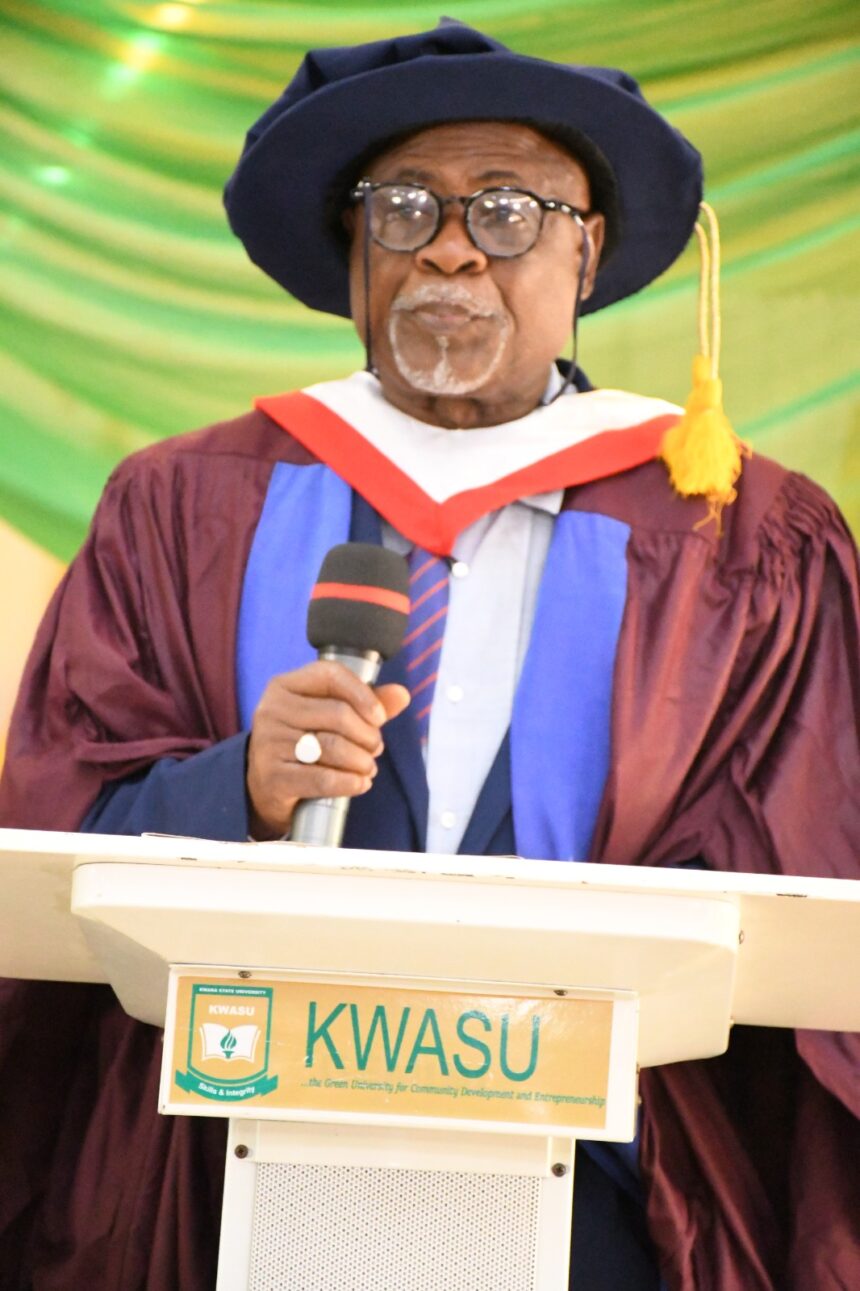
A Professor of Comparative Law at Kwara State University (KWASU), Malete, Najeem Ijaiya, has called for a comprehensive review of Nigeria’s marriage laws to end what he described as systemic discrimination against polygynous families and their children.
Professor Ijaiya made the call at the university’s Mini Convocation Arena while delivering the 2nd Valedictory Lecture of the Department of Islamic Law, titled Law as an Instrument of Social Change: Any Hope for Polygyny?
The lecture, delivered under the chairmanship of the Vice-Chancellor, Professor Shaykh-Luqman Jimoh, marked a formal academic send-off for the scholar ahead of his retirement after decades of teaching, research and legal practice.
Related News


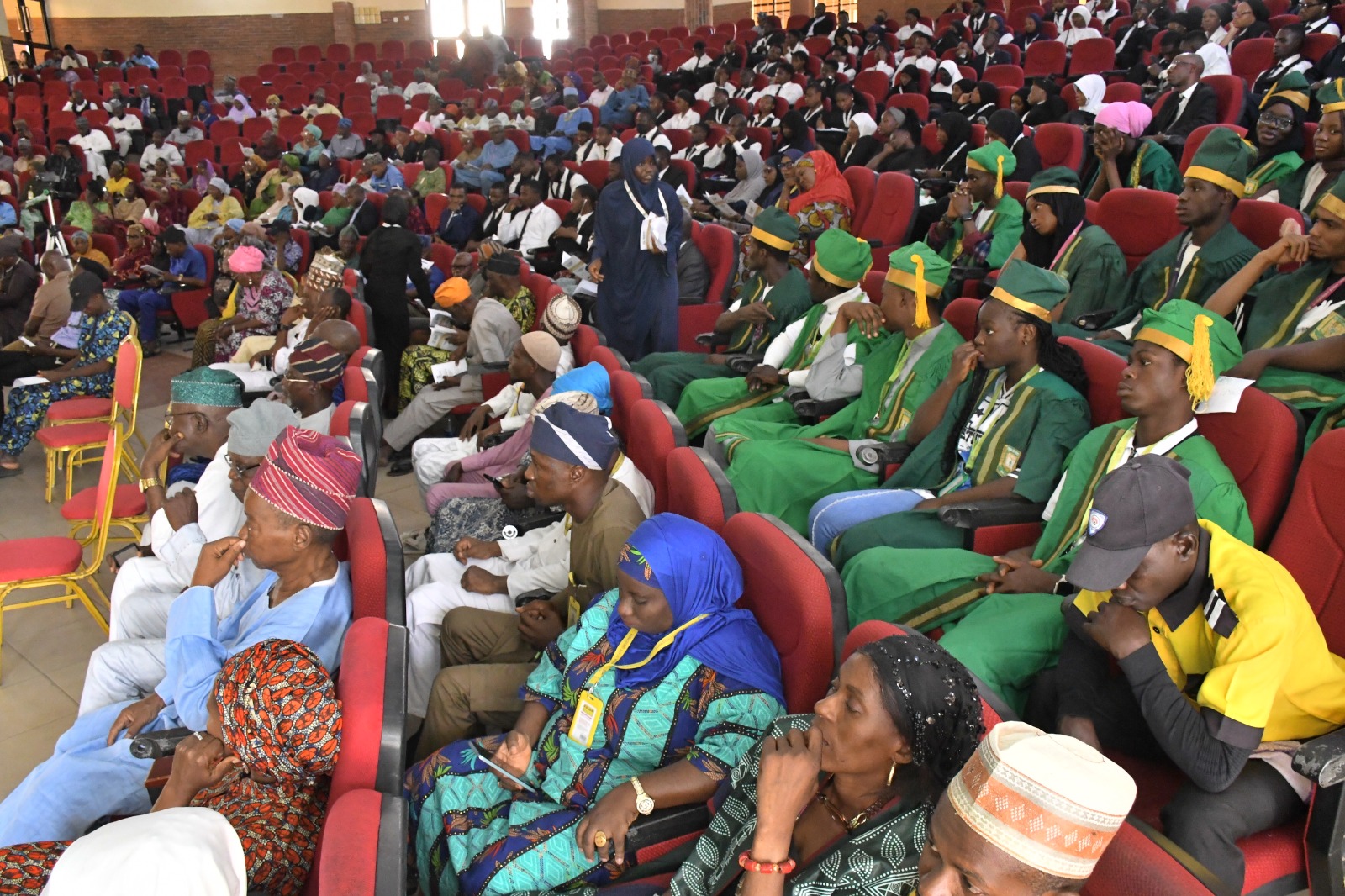
Speaking before university management, judges, senior lawyers, academics, students and invited guests, Professor Ijaiya argued that while Nigerian law claims to be an agent of social change, it has failed to protect polygyny, despite its deep roots in Islamic and customary law.
“Law is not meant to be passive. It is designed to respond to social realities and correct injustices. Unfortunately, in Nigeria today, the law has been deployed to stigmatise polygyny rather than regulate and protect it,” he said.
He described himself as “a product of polygyny” and said his personal background made the subject both academic and deeply emotional.
“Polygyny is being painted negatively in this country, not only by social narratives but through legal instruments. This should concern us in a plural society like Nigeria,” he noted.
Professor Ijaiya traced Nigeria’s legal structure to its plural foundations, made up of customary law, Islamic law and the received English law, arguing that colonial legal legacies have elevated monogamy above other valid marriage systems.
According to him, “the validity of marriage systems under Islamic law and customary law should not depend on approval from common law, yet that is effectively what happens today.”
He criticised the criminalisation of bigamy, describing it as discriminatory and inconsistent with constitutional freedoms.
“It is constitutionally ridiculous that a man can change his religion freely but is punished for changing his choice of marriage system. A man in polygyny can move to monogamy without legal consequences, but a monogamous man who chooses polygyny is branded a criminal,” he said.
The professor also highlighted areas where existing laws place polygynous families at a disadvantage, including asset declaration rules, health insurance schemes, inheritance rights and marriage certification.
He pointed to the National Health Insurance Scheme, noting that its enrolment limits are designed around monogamous family structures. “In many polygynous families, the husband and wives alone can exceed the allowed number, not to talk of children. This is not legally fair,” he argued.
On inheritance, Professor Ijaiya condemned practices that exclude children from polygynous unions from benefiting from their fathers’ estates, describing them as unconstitutional.
However, he welcomed a recent Court of Appeal decision in Mohammad v. Mohammad (2024), which affirmed the inheritance rights of wives and children from polygynous marriages contracted under Islamic law.
“This judgment shows that law can indeed function as an instrument of social change. It gives hope that polygyny can receive fair treatment under Nigerian law,” he said.
Professor Ijaiya proposed several reforms, including equal legal recognition of Islamic and customary marriages, optional civil registration for polygynous unions, protection of women’s and children’s rights within such marriages, and the enactment of Islamic and customary marriage laws by states.
He also called on the Federal Ministry of Foreign Affairs to recognise marriage certificates issued by authorised state and religious institutions, rather than privileging only statutory marriage certificates.
As part of his recommendations, he announced a proposal for the establishment of a Centre for Law and Social Change at KWASU to support research on pressing social issues.
“There are many challenges confronting our society that demand legal intervention. A dedicated centre will help incubate ideas and influence policy direction,” he said.
Concluding the lecture, Professor Ijaiya insisted that polygyny should not be treated as a social aberration.
“Polygyny is not an aberration to be tolerated. It is a legitimate expression of cultural diversity and marital choice. Law must rise above prejudice and reflect the plural values of our society. That is the essence of justice,” he said.
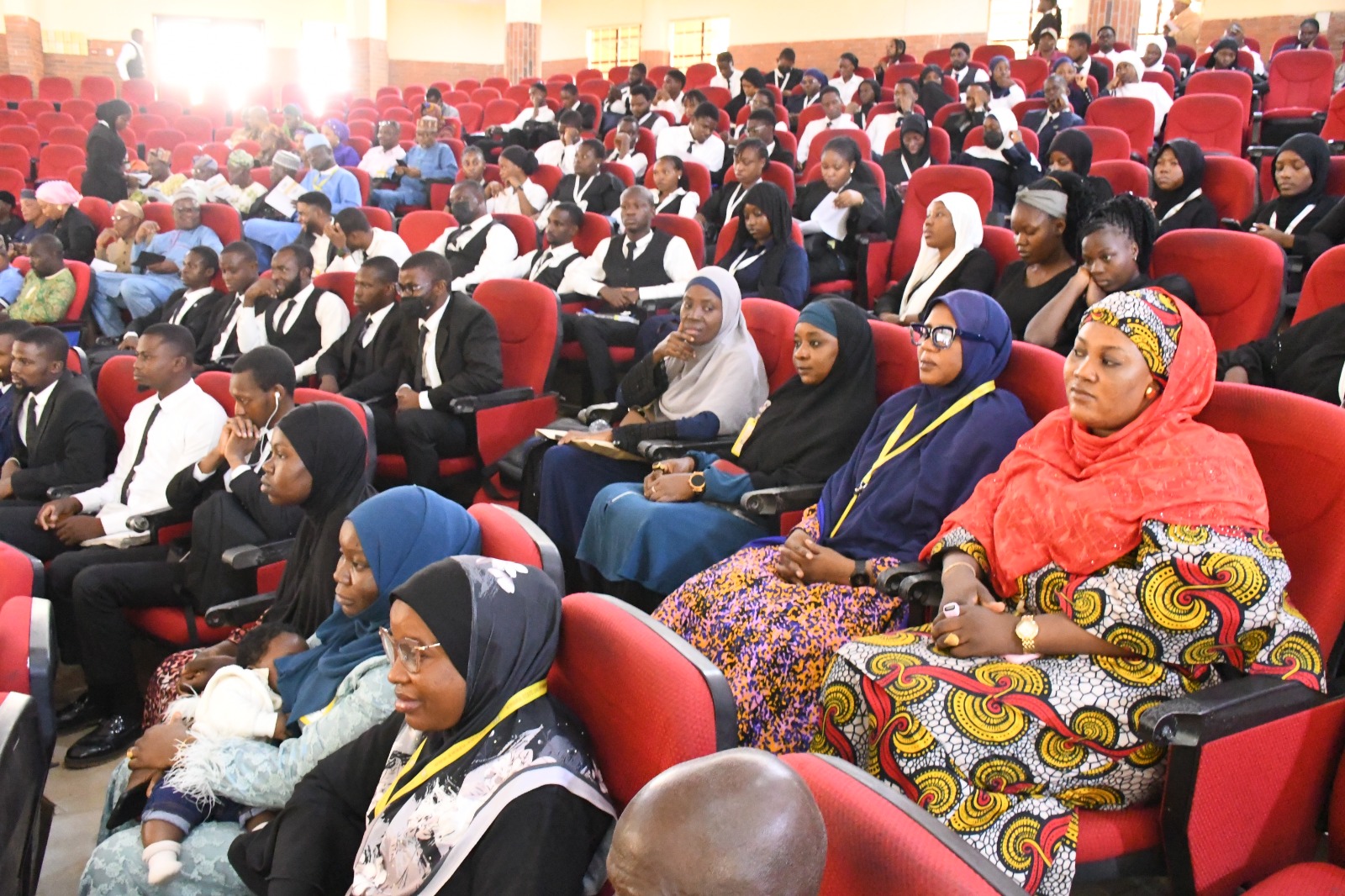
The event was attended by senior members of the Bar and Bench, traditional and religious leaders, lawmakers, academics and students, including Senator Lola Ashiru and retired President of the Court of Appeal, Justice Isa Ayo Salami.