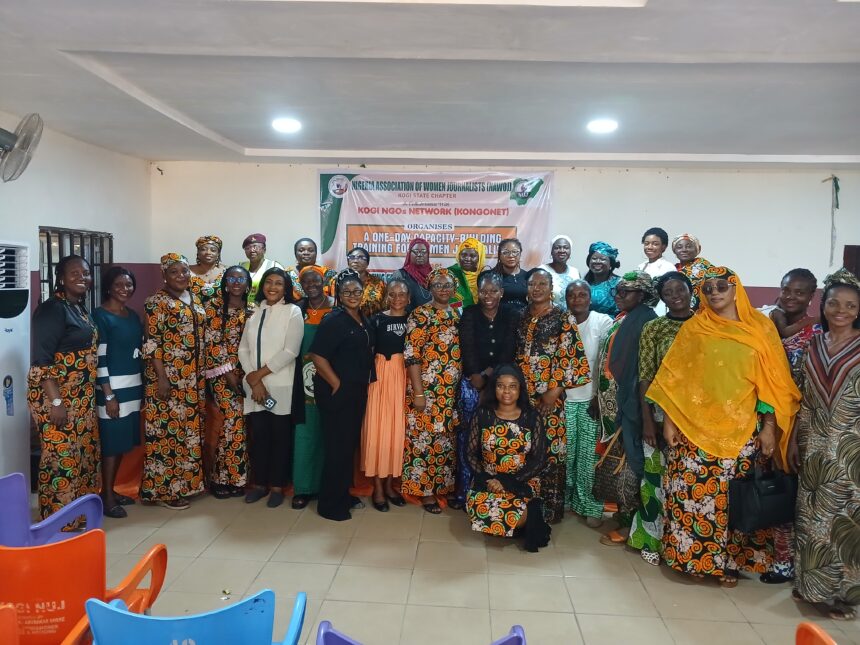
By Joan Jones
The Nigeria Association of Women Journalists (NAWOJ), Kogi State Chapter, has trained its members on ethical and survivor-centred reporting of Gender-Based Violence (GBV) during elections.
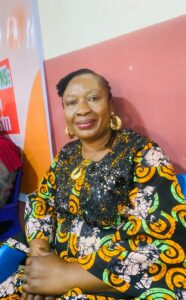
The one-day capacity building workshop, organised in collaboration with Kogi NGOs Network (KONGONET), had as its theme: “Reporting Gender-Based Violence During Elections: Promoting Responsible, Ethical and Survivor-Centred Journalism.”
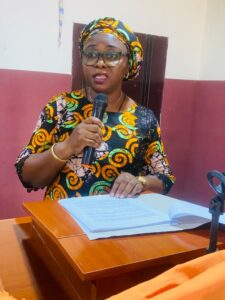
Declaring the training open, the Kogi State Commissioner for Information and Communications, Hon. Kingsley Fanwo, represented by a director in the ministry, Mrs Mary Igiku, charged journalists to always verify their information before publication.
Related News
Commending organisers for the training, he described it as apt and timely ahead of the 2027 elections. He urged participants to take full advantage of the training.
In his goodwill message, the Chairman of the Nigeria Union of Journalists (NUJ), Kogi State Council, represented by the Secretary, Dr. Sam Atuluku, commended NAWOJ for sustaining its programmes at state and national levels. He described the training as timely ahead of the 2027 general elections and urged for improved participation in subsequent editions.
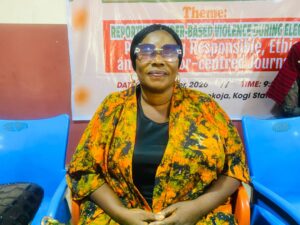
In his address, the Chairman KONGONET, Mr. Aliu Hamzat, observed that some electoral violence are fuelled by insensitive language and misinformation in media reportage.
He also noted that electoral violence affects women disproportionately and can be reduced through responsible reporting, stressing that election outcomes must be determined by citizens’ confidence in the electoral system.
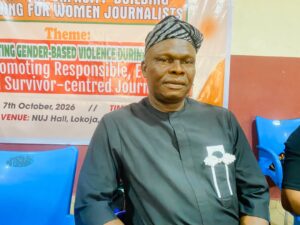
On her part, the Director of Voter Education, INEC, Kogi State, Hajia Mariam Bulus, said elections often expose women to various forms of violence including harassment, hate speech, intimidation, sexual harassment and character assassination, which limits their participation.
She said INEC has a mandate to protect citizens and requires the cooperation of stakeholders including NAWOJ. Bulus advised journalists to conceal the identity of victims, consider the emotions of survivors before interviews, and verify all stories to avoid escalation of crisis.
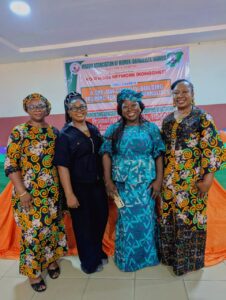
Other stakeholders at the training also shared insights on protection and ethical reporting.
A representative of the Nigeria Security and Civil Defence Corps (NSCDC), Peace and Conflict Management Department, SC Audu Saidetu, disclosed that, there are laid down protocols for protecting the electorate, especially women and persons living with disabilities.
On his part, the Executive Director, Centre for Human Rights and Conflict Resolution, Mr. Idris Miliki, charged NAWOJ to track statistics of women in leadership and initiate gender-focused programmes that examine how policies affect both men and women.
Barrister Deborah Williams, of the International Federation of Women Lawyers (FIDA), described election-related violence as a criminal act and urged women journalists to avoid biased reportage and ensure accuracy.
The lead resource person, Dr Josephine Ali, said women candidates and women journalists often face physical and psychological violence including threats, coercion to step down, and use of derogatory language. She urged reporters to give survivors control over interviews, document evidence and investigate patterns through investigative journalism.
In separate remarks, Ms. Catherine Odok and Ms. Omooladun Asabe Baiye of Prime FM, Lokoja, emphasised the power of language in election reportage, urging journalists to understand electoral context and uphold objectivity.
The training featured an interactive session where members shared experiences from previous election coverage.