By Ojotule Romanus
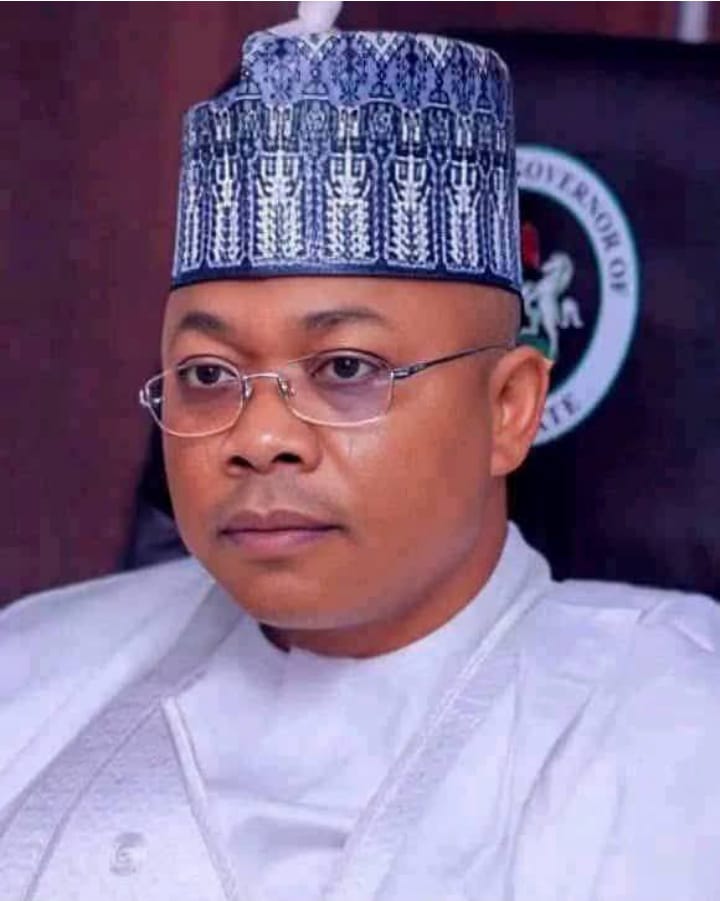
Kogi State Governor, Alhaji Ahmed Usman Ododo, has revealed plans by his administration to establish a specialized international market hub for cashew farmers in the state, where Cashew produce would be traded in dollars.
The initiative according to the governor, is designed to formalize the cashew trade, which is one of the major revenue earner for Kogi farmers by creating a direct bridge between local producers and the global market.
When this is done, it would go a long way in eliminating the layers of middle-men that have until now diminished the earnings of farmers and ensure that the actual market value of the commodity is realized in hard currency.
Governor Ododo dropped the hint during a meeting with stakeholders in the cashew sector, made up of; the Kogi State Committee on Cashew Export and Investment, the state chapter of the National Cashew Association of Nigeria ( N CAN), and the Kogi State Commodity, Exchange, Export, Promotion and Market Development Agency, held in Government House, Lokoja.
Related News

According to Governor ododo, the move was part of his administration’s roadmap designed to diversify the state’s economy to make cashew an alternative to crude oil while projecting it to the global market.
The governor who noted that Kogi State despite its ranking as one of the major producers of cashew, was often been shortchanged by pricing disparities lined to the middle- men.
According to him, by creating a designated market hub where cashew is traded in dollars, the government plans to empower the farmers, stabilize it’s revenue streams, and position Kogi State as a primary destination for international agro-commodity investors.
In line with this, he further explained that by centralizing the trade of cashew in a controlled, international-standard environment, the administration expects to significantly raise the standard of living for rural farmers and generate substantial internally generated revenue (IGR) for the state.
The governor also desclosed plans by his administration to expand cashew farming business by ensuring that each of the 21 Local Government Areas has up to 50 hecters of cashew farms.
He maintained that cashew remains one the premium exports commodity in the global market and as such, Kogi State which boasts some of the finest cashew nuts in West Africa, must be positioned to benefit maximally from it.
Also towards this end, Ododo desclosed that the State Government was putting in place all the necessary machinery to protect the farmers from those he described as ” dubious characters” within the cashew business so as to ensure that the real farmers benefit maximally.
He used the occasion to warn those involved in the exploitation, illegal revenue collection and multiple taxation of the farmers to desist pointing out that henceforth, government would not hesitate to deal with any one caught operating outside the approved revenue collection framework of the state.
The governor then promised to laise with the Kogi State Internal Revenue Service(KGIRS) on ways to streamline the revenue system so as to remove all forms of multiple taxation and extortion affecting the cashew farmers in the state.
He warned that illegal revenue collection would not only frustrate the farmers but also deprive the state government of legitimate revenue collection.
Earlier, the Kogi State Director General, Commodity, Exchange, Export, Promotion and Market, Development Agency, Hon. Victor omafaye, appreciated Governor Ahmed Usman Ododo for measures put in place to protect farmers, saying the farmers were more than ever before committed to ensuring an improved cashew production in the state.
In his address, head of Kogi State Committee on Cashew Export and Investment who also doubles as Chairman Kogi State chapter of the National Cashew Association of Nigeria (NCAN), Dr. Idris Yakubu while commending the State Government for the attention given to the cashew sector, appealed to governor to look into some of the major challenges confronting cashew farmers in the state.
Some of the challenges he mentioned includes, illegal revenue collection, multiple taxation, police extortion, stressing that if these challenges were tackled, the cashew industry has the potential of creating a sustainable economy for the farmers and the state at large.