From David Onuoja, Abuja
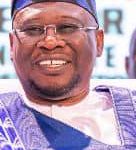
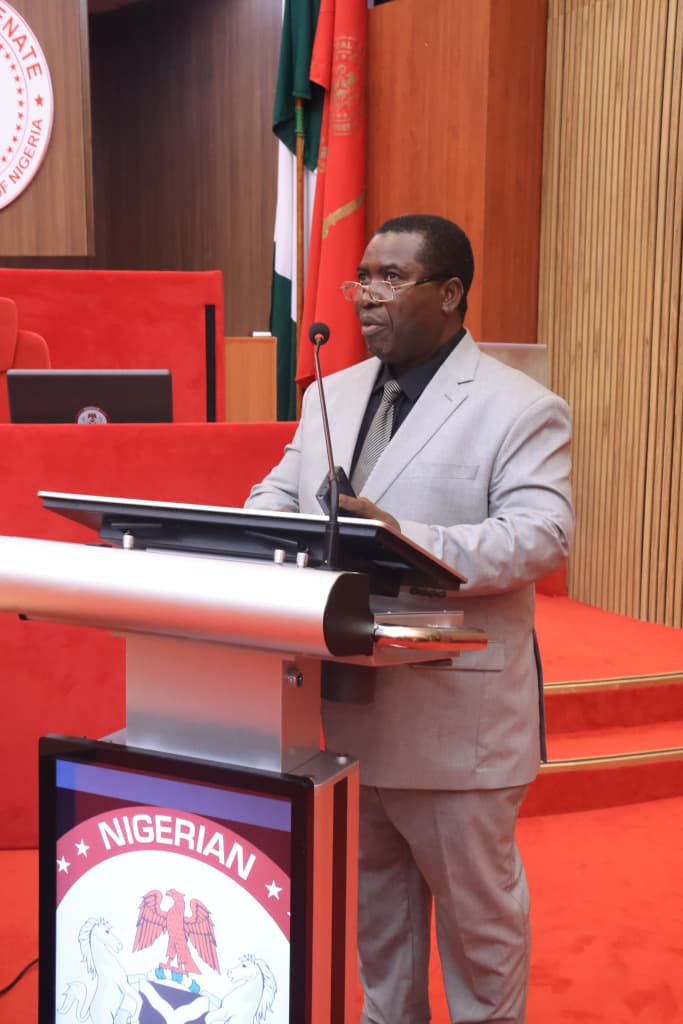
The Senate, has confirmed Professor Joash Amupitan, as the new Chairman of the Independent National Electoral Commission (INEC).
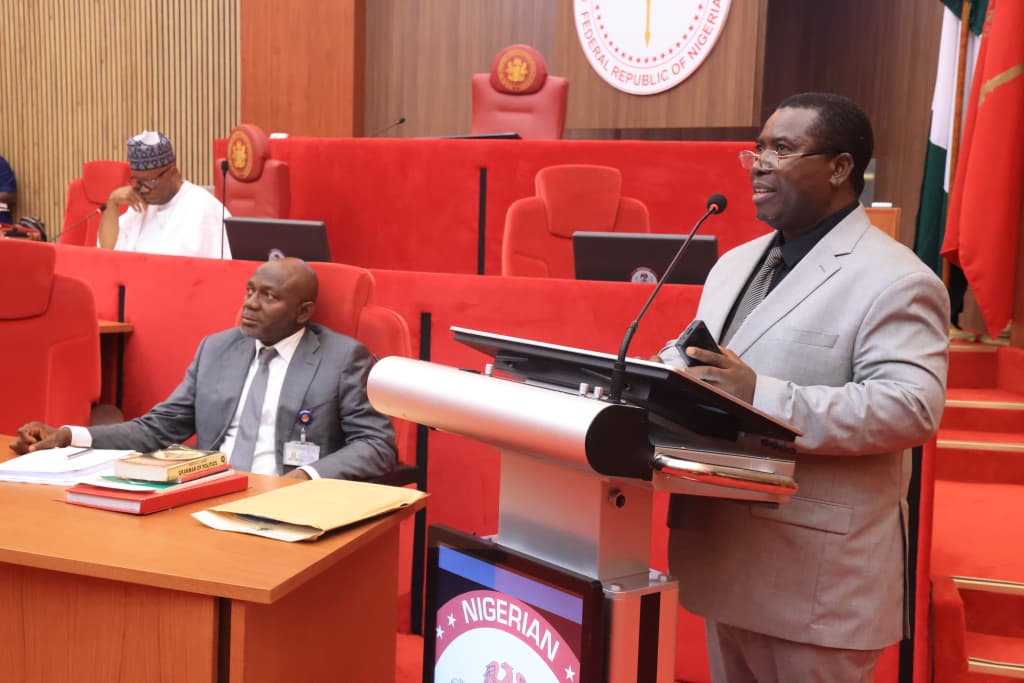
Amupitan, a professor of Law, was confirmed by the upper chamber after his screening on Thursday.
During the screening, Amupitan answered critical questions from senators regarding elections, administration, policy, and the Electoral Act, among others.
Related News

The professor adenied the speculation that he was part of the legal team that represented President Bola Tinubu at the 2023 Presidential Election Petitions Court (PEPC).
He also denied representing Peter Obi of the Labour Party or the Peoples Democratic Party (PDP) at the tribunal.
He addressed key issues, including Technology and Election, where he pledged to collaborate with the Nigerian Communication Commission (NCC) and service providers to ensure smooth elections.
Answering questions on IREv and Election Televising, he expressed willingness to abide by any amendments to the Electoral Act regarding the INEC Results Viewing Portal.
Amupitan who said he would prioritise internal mechanisms to ensure INEC staff behave well and urged the National Assembly to enact relevant laws, promised to build capacity for election process handlers and ensure no voter is left behind.
He supported increased women’s participation and inclusion of people with disabilities, even as he advocated for voter education starting from primary school to educate children about their rights.
Amupitan becomes the sixth substantive Chairman of INEC, succeeding Mahmood Yakubu, who has officially concluded his tenure as the INEC boss.
Meanwhile, the Kogi State Government, has expressed appreciation to President Bola Tinubu for appointing Prof. Joash Amupitan from the State, as the new Chairman of the Independent National Electoral Commission.
A statement issued on Thursday by the state Commissioner for information and communication, Kingsley Fanwo, noted that the appointment was a strong validation of President Tinubu’s commitment to excellence, merit, and national inclusiveness in the leadership of our democratic institutions.