•Deputy Gov, Assembly leadership, others hail Initiative as a historic turning point for Kogi’s education sector
By Joy Salami
The Kogi State Government, has officially flagged off the renovation and rehabilitation of 728 government-owned public secondary schools across the state under the Adolescent Girls Initiative for Learning and Empowerment (AGILE) Project, in what officials described as one of the most sweeping investments in the state’s education sector in recent memory.
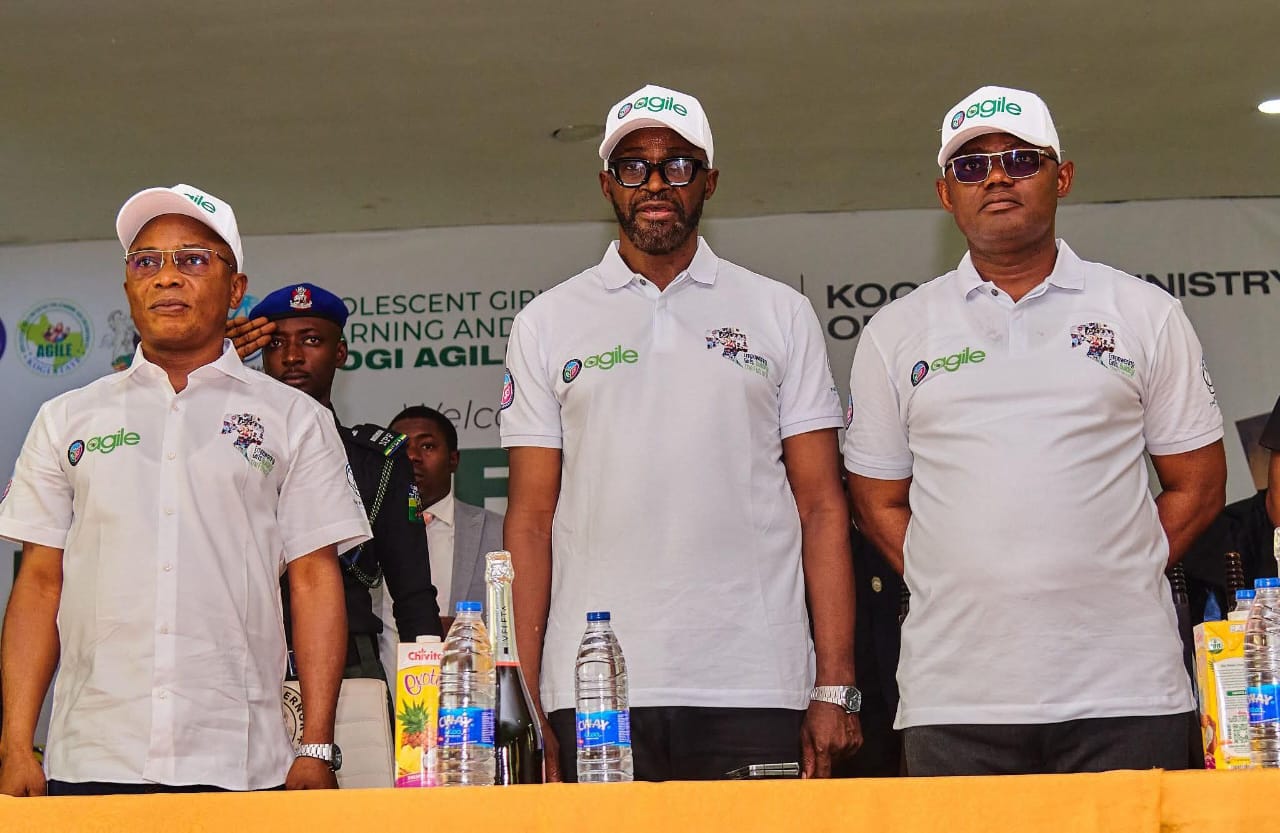
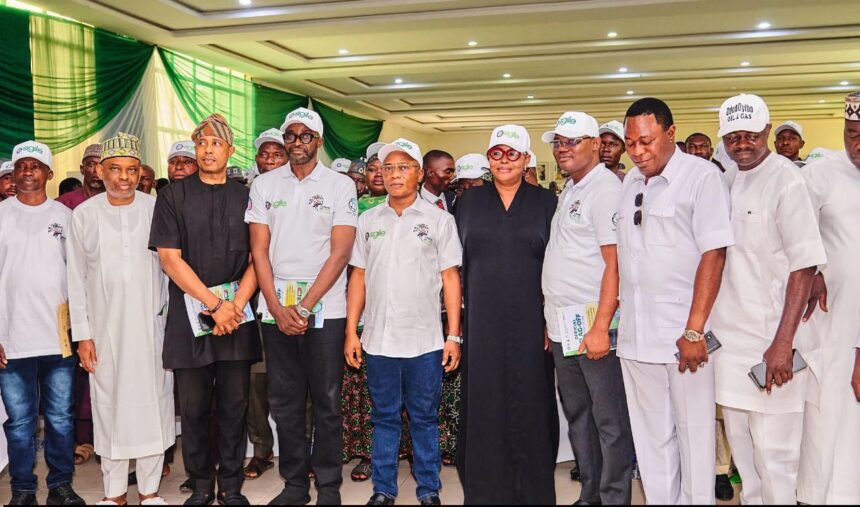
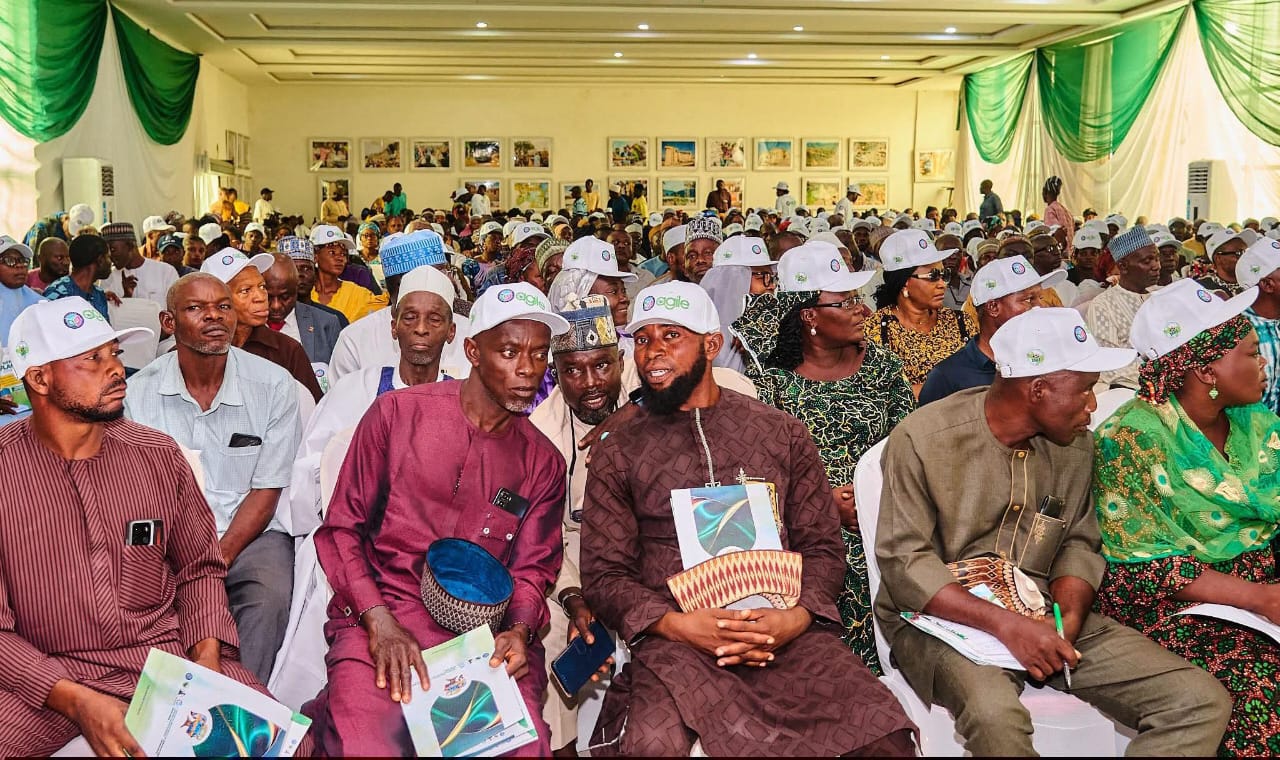
The ceremony, held at the Government House Glass House in Lokoja, drew members of the State Executive Council, Royal Fathers, Religious Leaders, Development Partners, School-Based Management Committee (SBMC) chairmen, and 30 selected Technical Service Providers (TSPs), who will execute the first phase of renovation across 150 schools.
Related News
Representing Governor Ahmed Usman Ododo at the occasion, the Deputy Governor, Comrade Joel Salifu, said the event was far more than a ceremonial formality, stressing that it represented a bold and deliberate decision by the administration to invest in the future of Kogi State through education.
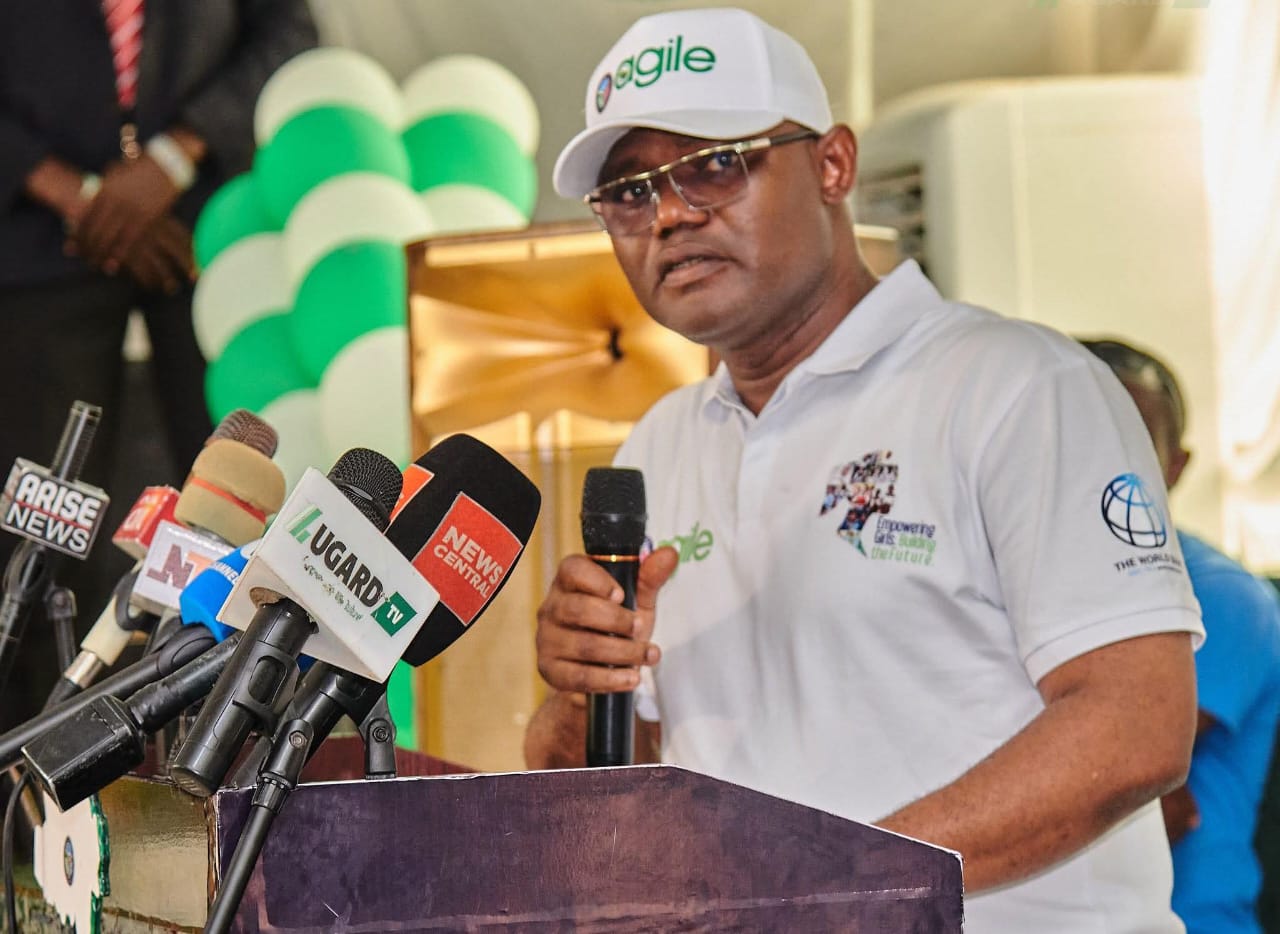
Ododo expressed his administration’s conviction that no meaningful development could take place without a strong and functional education system, adding that such a system must be supported by infrastructure that is safe, inclusive, and conducive to learning.
He noted that many of the state’s schools had served communities for decades and that the time had come to renew, upgrade, and reposition them to meet the demands of modern education.
The Governor urged stakeholders to understand the full weight of what was being embarked upon, stating that the renovation of the 728 schools was a statement that every child in Kogi State deserves a decent place to learn, and that every teacher deserves an environment that supports excellence.
He added that his administration was determined to leave a lasting legacy in the education sector.

The Governor used the forum to charge TSPs to uphold quality, transparency, and timely delivery, warning in clear terms that the administration would accept no compromise on standards.
He assured all stakeholders that government would continue to prioritise education and ensure every intervention delivers real and measurable impact.
“Together, we will build a system that works for all, one that empowers our children, strengthens our communities, and secures the future of our state,” he declared.
The Commissioner for Education, Hon. Wemi Jones, who also chairs the State Project Steering Committee, described the occasion as momentous, remarkable, and historic, expressing deep gratitude to God for what he called the privilege of being commissioner at such a defining moment in Kogi’s educational history.
In a wide-ranging address, Jones credited the immediate past Governor, Alhaji Yahaya Bello, for laying the foundation of the AGILE Project in the state, stressing that it would be incomplete to fail to acknowledge him as the pathfinder of the initiative.
He stated that it was Bello who gave the support and funding required to get Kogi onboard as an AGILE beneficiary state, and affirmed that Governor Ododo had continued and advanced what his predecessor began.
The Commissioner also disclosed that the state government had, in the current year alone, received approval in excess of N1.4 billion for the payment of examination fees for students in public schools, covering WAEC, NECO, BECE, and Common Entrance examinations.
He said this was a demonstration that the government’s education commitment extended well beyond bricks and mortar.
Jones further disclosed that Governor Ododo had approved a computer-based testing (CBT), training programme for SS3 students across the state, set to commence the following week, to equip pupils for computer-based examinations including JAMB and WAEC.
He expressed the administration’s view that preparing students for modern examination formats was just as critical as improving their physical learning environment.
Noting that Kogi State currently runs three universities, a polytechnic, two colleges of education, a college of nursing, a college of health technology, and a college of innovation, the Commissioner stressed that strengthening secondary education was imperative so that Kogi students could qualify for admission into these state-owned.
He reminded beneficiary communities that whatever infrastructure built in their localities would permanently belong to them, and that its upkeep or neglect would ultimately affect their own children for generations.
The Commissioner affirmed that education remained the number one priority of the Kogi State Government, expressing the administration’s resolve to deploy it as a tool against unemployment, banditry, terrorism, and criminality.
He also disclosed that the current renovation exercise was only the first phase, adding that the next phase would involve the actual construction of new school blocks, a development he described as another level of the government’s education transformation agenda.speaki2ng
In his address, the State Project Coordinator (SPC), comrade Tijani Oricha described the onp<hjpkflag-off as a reaffirmation of Governor Ododo’s commitment to investing deliberately and strategically in the future of Kogi’s children, saying the occasion marked not merely the start of construction work but the ignition of transformation.
He urged all present to appreciate that the 728 schools were not simply a number, stressing that each one represented an opportunity to change a learning environment, restore dignity to education, and give a community renewed hope.
In his words,” This is not just a number, It is 728 opportunities to change learning environments, 728 platforms to restore dignity to education, and 728 communities that will experience renewed hope”.
The SPC added that the initiative would directly benefit thousands of students and teachers across the state, improve safety, enhance school attendance, and ultimately produce better learning outcomes.
He expressed particular satisfaction at the project’s relevance to the girl child, noting that a more inclusive and welcoming school environment would encourage retention, participation, and academic success for adolescent girls.
On accountability, the SPC was firm, stressing that TSPs had signed indemnity instruments alongside SBMCs and were bound to deliver results. He urged the flag-off committee and the State Project Implementation Unit (SPIU), whom he commended for putting the programme together in record time, to sustain the same energy through the implementation phase. “Every kobo invested must deliver value. Every structure must meet standard. Every community must feel the impact,” he declared.
Also speaking at the ceremony, the Deputy Speaker of the Kogi State House of Assembly, Rt. Hon. Comfort Egwaba, representing the House Committee Chairman on Education, affirmed the legislature’s full support for the initiative.
She expressed pride in the state’s educational progress under the current administration and pledged the Eighth Assembly’s unwavering support to the Ministry of Education, and all relevant agencies in the sector.
Speakers at the event also paid tribute to the First Lady of Kogi State, Hajia Sefinat Usman Ododo, who serves as the Mother of the AGILE Project in the state, acknowledging her passionate advocacy on behalf of the girl child as a driving force behind the initiative. The World Bank, which provides technical and financial support to the project, was equally acknowledged for the collaboration that made the exercise possible.
The AGILE Project, Adolescent Girls Initiative for Learning and Empowerment is a World Bank-supported intervention implemented across select states in Nigeria, aimed at improving learning outcomes, keeping adolescent girls in school, and empowering them through quality education.