By Joy Salami.
No fewer than 4.5 million Kogi State residents, will receive free river blindness medication beginning next week, as the State Government intensifies efforts to eliminate the disease across all 21 Local Government Areas by 2030.
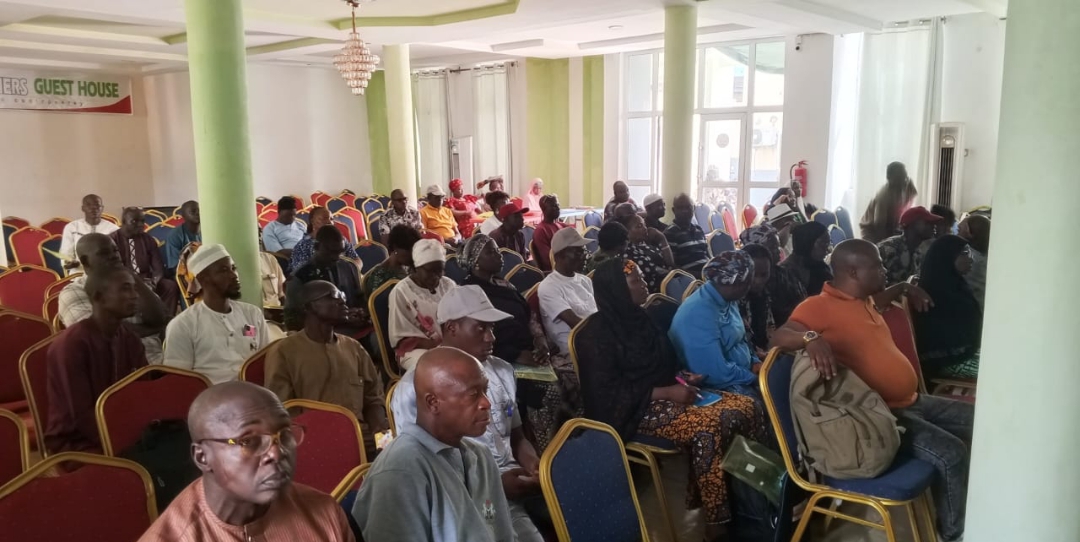
The exercise, a 10-day Mass Administration of Medicines (MAM), is being coordinated by the Kogi State Ministry of Health through its Neglected Tropical Diseases (NTDs) Programme, with support from international health organisation Sightsavers. It will reach 3,203 communities and cover all residents aged five and above.
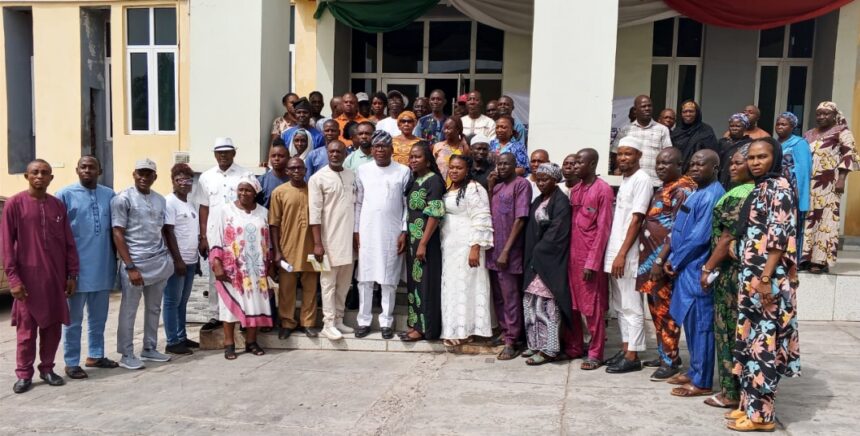
The State NTD Coordinator Mr. Musa Momojimoh, who spoke at a two-day state planning meeting in Lokoja, said the campaign marks a critical milestone in the fight against onchocerciasis, a debilitating condition transmitted through the bite of infected blackflies breeding in fast-flowing rivers, which can cause permanent blindness and severe skin disease if left untreated.
Related News
“The end result of river blindness is permanent blindness,” he said. “For every blind person, someone else must abandon their daily work to guide and assist them. It affects not just the individual but the entire family.”
The state’s river-laced terrain makes it especially susceptible. The River Niger alone cuts through five to six local government areas, and a web of other major rivers runs across the state, conditions that have left all 21 LGAs classified as endemic.
Treatment has been ongoing since 1997, with at least 27 rounds of mass drug administration conducted over the years, driving a significant decline in prevalence. Yet Momojimoh was candid that the work is unfinished. “We have achieved great success. The prevalence has reduced drastically. But we are not there yet,” he said.
With the 2030 deadline in sight, he urged residents not to miss the opportunity. “By 2030, we expect that mass distribution of this medicine will no longer be necessary because the disease should have been eliminated. This is not something that will continue for life”, he added.
Speaking at the opening of the planning meeting, Commissioner for Health, Dr. Abdulazeez Adeiza, pledged the State Government’s full backing, calling the distribution of Mectizan (ivermectin) a tested and proven tool for bringing the disease under control.
Represented by the Permanent Secretary Mr. Steven Momoh, he praised the dedication of health workers, community drug distributors, and partner organisations whose efforts have sustained the programme over the years.
Sightsavers Programme Officer for Kogi State, Ms. Phoebe Hindam, struck a note of urgency, saying entomological surveillance had confirmed that transmission risk remains real. “It has become more important now than ever that we are strategic in our implementation so that nobody who is eligible misses out,” she said. For Sightsavers, she stressed, the objective is permanent elimination, not an open-ended cycle of treatment.
On the ground, distribution will be handled by trained community drug distributors and local government health teams. The programme draws support from Sightsavers, the Federal Ministry of Health, and the World Health Organisation (WHO).
River blindness is not the only battle Kogi is fighting. The state’s NTD programme targets approximately 21 neglected tropical diseases, among them lymphatic filariasis. In the past five years alone, over 200 hydrocele surgeries have been carried out, and more than 500 patients suffering from elephantiasis, known locally as “big legs” have received care.