• Set to mark World Malaria Day April 24
By Joy Salami
Kogi State has slashed its malaria prevalence from 16 per cent in 2021 to 8.9 per cent in 2025, a feat the state’s malaria programme officials attributed to sustained government backing, free testing and treatment across hundreds of public health facilities, and an aggressive community mobilisation drive.

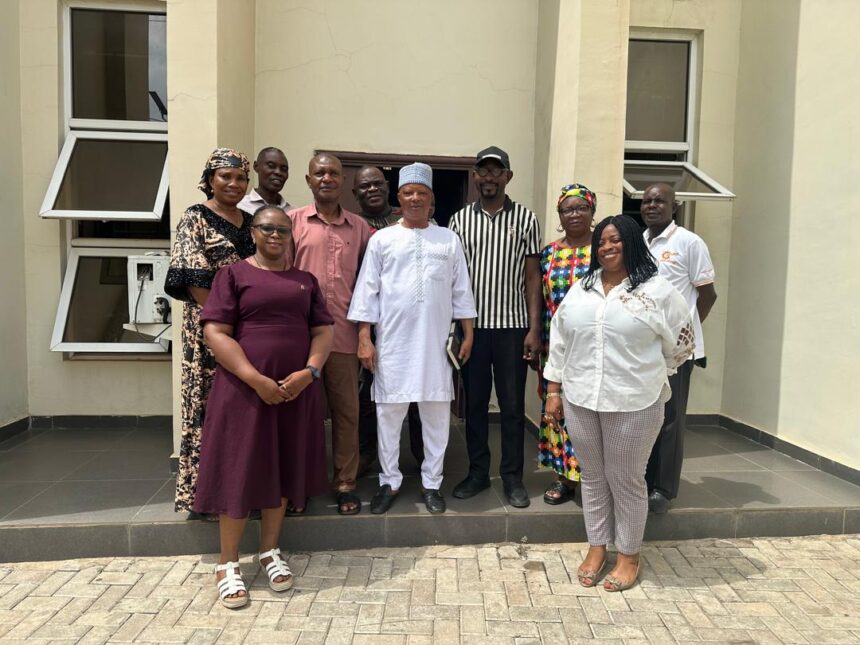
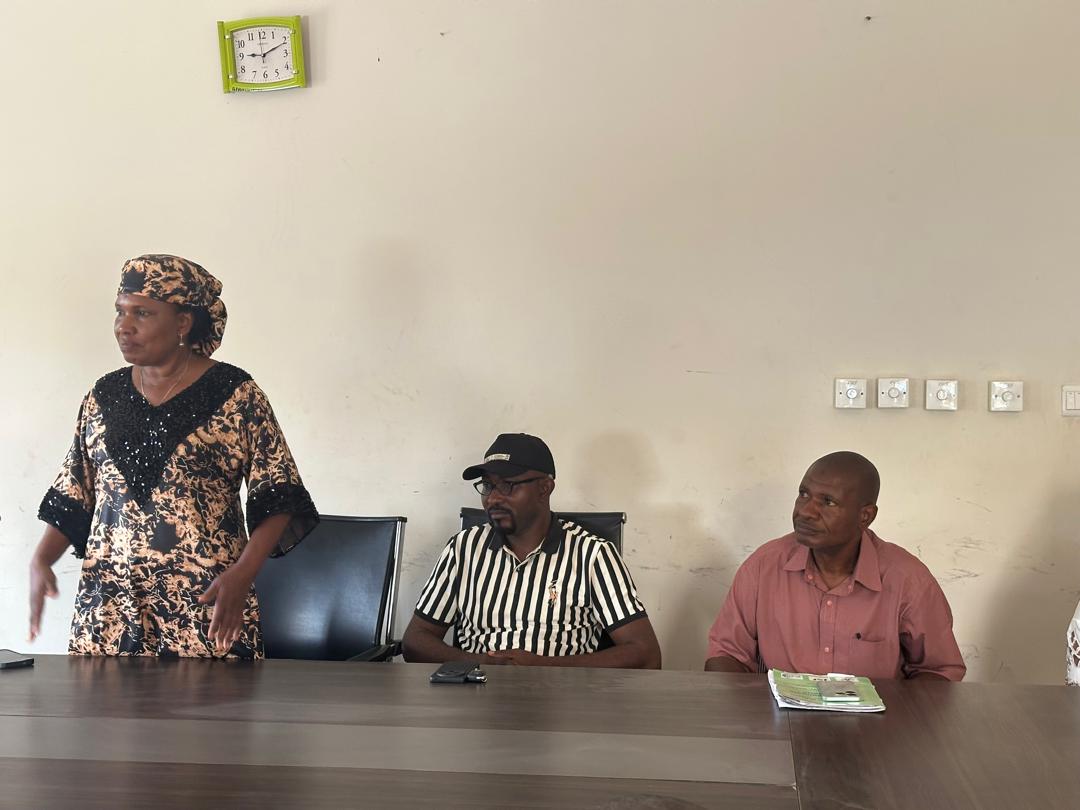
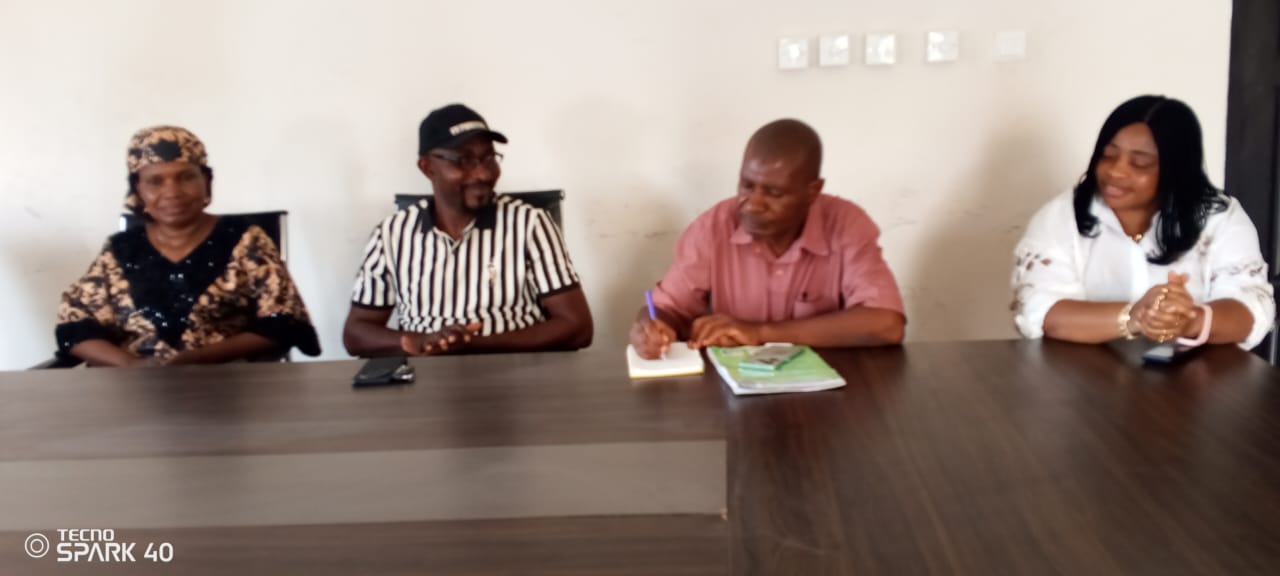
Dr Stephen Ake, Project Manager, State Malaria Elimination Programme (SMEP), and leader of the team, made this known when he led a delegation to The Graphic Newspaper, ahead of the state’s World Malaria Day commemoration on Friday, 24 April 2026.
Related News
The event, marked globally on 25 April every year, was brought forward by a day this year as the date coincides with a Saturday.
He disclosed that the 2025 World Malaria Report shows Nigeria carries 24 per cent of all malaria cases in the world and accounts for 30 per cent of every malaria death recorded globally, more than any other country.
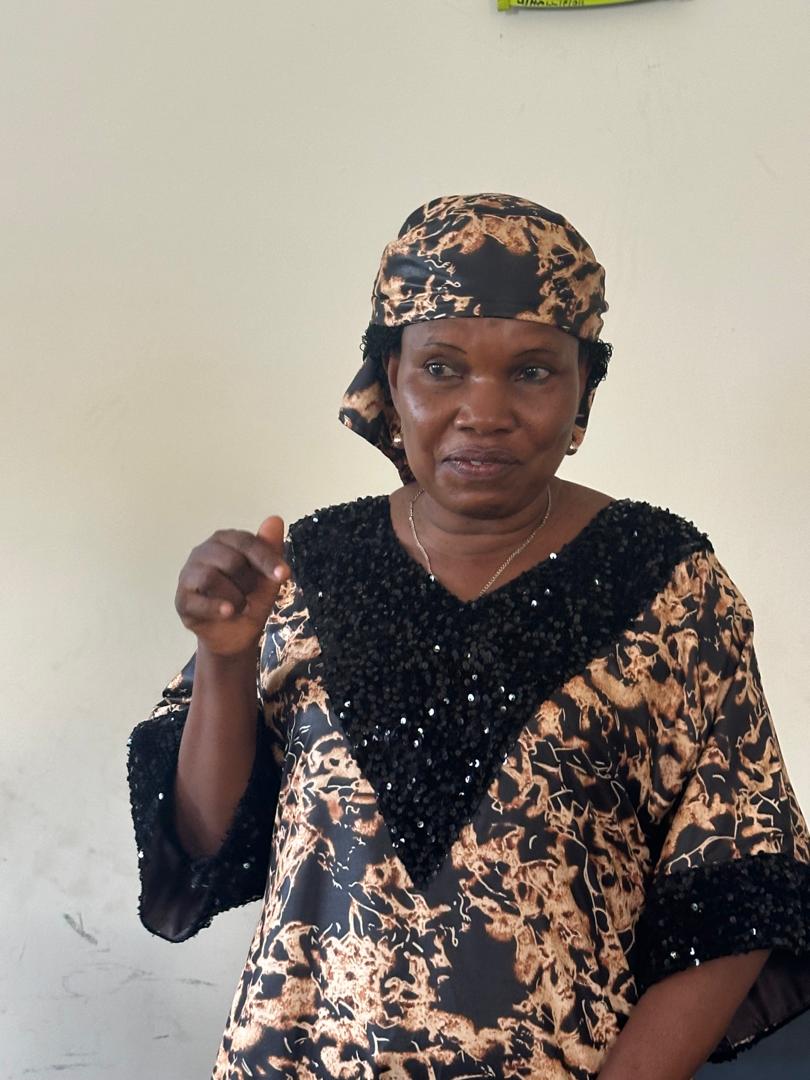
“Malaria is still a disease of public health importance. It is still killing people, more than COVID, more than any other disease we can even think about,” he said, adding that about 60 per cent of hospital visits in Nigeria are malaria-related. He noted that while the disease affects all age groups, children under five and pregnant women bear the heaviest toll, and that the burden is noticeably higher in the northern parts of the country than in the south.
He pointed out that Kogi’s number tell a different and more hopeful story. The National Malaria Indicator Survey (NMIS), conducted every four years to track malaria trends across states, put the state’s prevalence at 16 per cent in 2021, which was already below the national average of 22 per cent at the time. A repeat survey in 2025 showed the figure had further dropped to 8.9 per cent.
“This is a remarkable achievement. It is due to the support of His Excellency, Governor Usman Ahmed Ododo, and the collaboration of our partners”, Abubakar said.
He explained that the State Government secured a loan from the Islamic Development Bank, to fund a free healthcare initiative, under which free malaria testing and treatment have been running in 515 public health facilities across all 21 local government areas.
Drugs and test kits are distributed to these facilities through the state’s managed medicines programme.
Beyond the health facilities, he noted, hundreds of community mobilisers have been deployed through networks across the state, going house to house and into markets to sensitise residents on malaria prevention and to refer suspected cases to the nearest health centres. The state also benefits from the support of Malaria Consortium, an international NGO that has since 2021 been providing anti-malaria drugs to children aged three to 59 months every rainy season under a scheme called SPARK, a preventive measure designed to stop mild cases from turning fatal.
This year’s state World Malaria Day theme is “Driven to End Malaria: Now We Can, Now We Must” a declaration rooted in the progress recorded.
“Since we have achieved this success, we know we can bring this down to zero. Now we must, by intensifying preventive methods, conducting active case searches in underserved communities and, most importantly, ensuring information reaches everyone,” he said.
He called on the media to help amplify awareness of both the disease and the interventions in place.
In her contribution, Mrs Victoria Daniel, the Advocacy, Communication and Social Mobilisation (ACSM) officer, raised alarm over a dangerous habit common among residents, treating fever as malaria without first getting tested. She warned that self-medicating with anti-malaria drugs when one does not have malaria is fuelling drug resistance, and that when a person who has genuinely developed malaria later seeks treatment, the drugs may no longer work effectively, allowing the disease to escalate from a mild to a severe and potentially fatal condition.
“Fever is just a symptom. It could be malaria, it could be an infection, or it could simply be that your body is overworked and needs rest. Malaria specifically means there are malaria parasites in your system, and the only way to know for certain is to get tested. Please, get tested before you are treated”, she urged.
She added that residents who test positive must complete their full treatment, ideally a combination therapy rather than a single drug, so as not to leave behind a partially treated infection that could spread to family members or the wider community through mosquito bites.
In his remark, Sanni Abubakar, Chairman, Civil Society on Malaria control, Immunization and Nutrtion (ACOMIN), and ACSM core group for malaria in the state, mentioned other strategies of creating awareness at the community level, which includes, compound meeting and community dialogue for women of child bearing age, Nursing mothers and pregnant women.
“We meet to discuss the issue that affect their health and that of the children, to seek prompt health care behaviour and services at the health facility.”
ACOMIN, he added, has registered members and Community mobilizers at the 239 wards of the 21 LGA’s in the state. He congratulated the Managing Director and Chief Executive of The Graphic Newspaper, Mr Y.J Itopa on his appointment, describing him as a seasoned journalist, fit for the role.
In his response, the Managing Director, Mr. Yusuf Itopa, assured the delegation that The Graphic Newspaper, was fully committed to the partnership, pledging to design a dedicated health programme to help push the message to a wider audience.
“We are part and parcel of you. Any time you want to do it, I am already with you,” he said.