From Taiye Joseph, Ilorin
A medical expert at the University of Ilorin Teaching Hospital (UITH), has cautioned Nigerians against the excessive use of mobile phones, computers and other digital devices in dark environments, warning that the practice poses serious risks to eye health and general wellbeing.
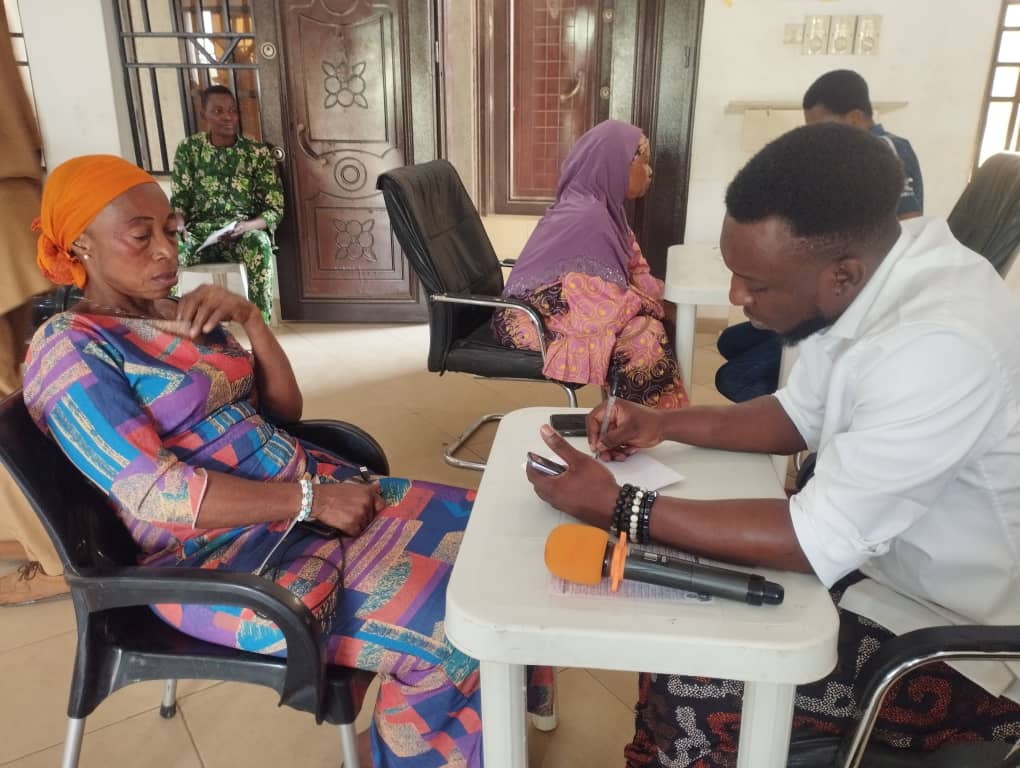
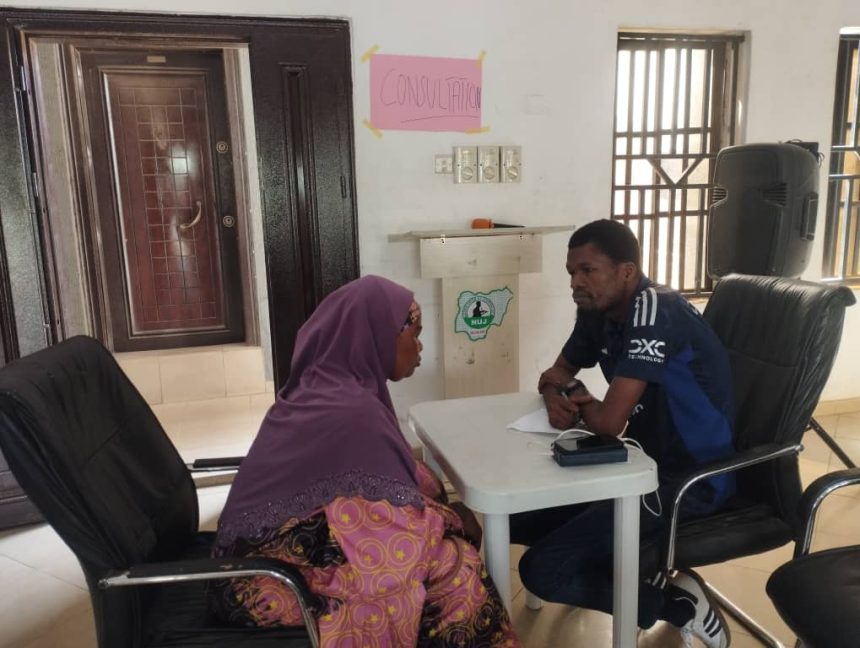
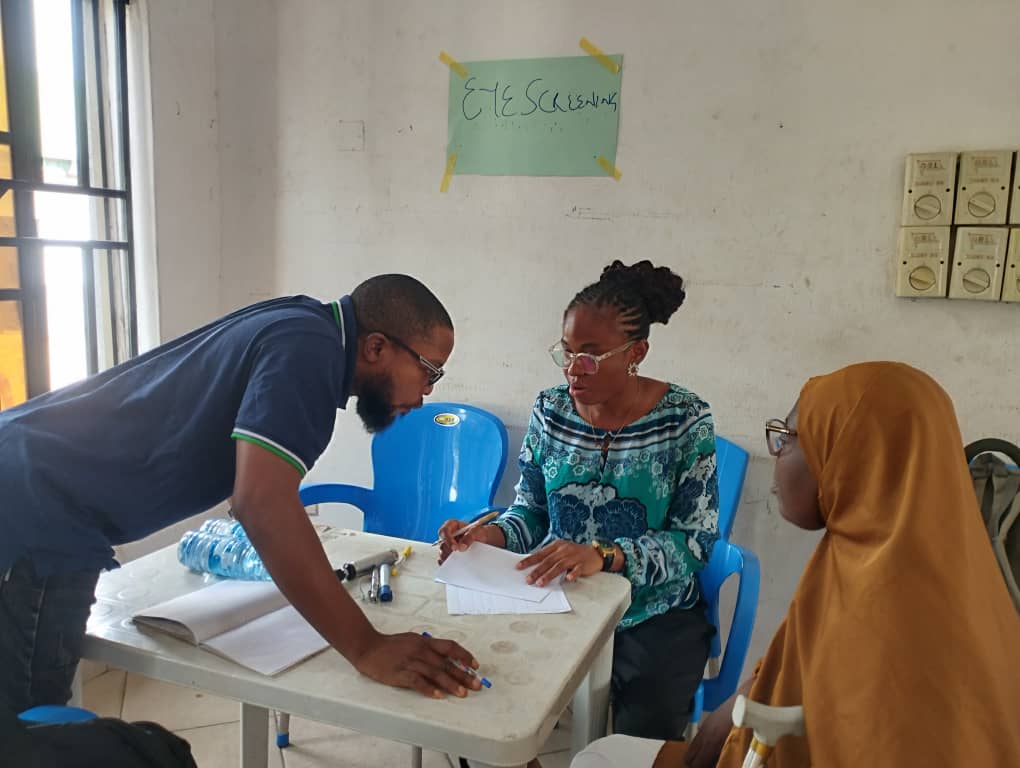
The expert, Dr. Oluwamuyiwa Oloruntobi, gave the warning during a medical outreach programme held at the Kwara State Secretariat of the Nigeria Union of Journalists (NUJ) in Ilorin, as part of activities marking the 2025 NUJ Press Week.
Dr. Oloruntobi explained that using digital devices in darkness forces the eyes to operate under abnormal conditions due to the intense light emitted from screens.
Related News

“When you stare at your phone or computer screen in the dark for long hours, the retina becomes overstressed, and the brain is compelled to function at an unusually high level,” he said.
According to him, prolonged exposure to screens can lead to frequent headaches, eye strain and blurred vision, conditions that may gradually weaken the eye lens if not properly managed.
He added that poor posture associated with long hours of phone and computer use often results in neck and shoulder pain, further affecting users’ overall health.
Dr. Oloruntobi also warned that constant screen exposure could cause dry eyes, sleep disruption and reduced concentration, noting that blue light from digital devices interferes with normal sleep patterns.
“The blue light from screens sends signals to the brain that it is still daytime, making it difficult for users to sleep well, especially when devices are used late at night,” he explained.
The medical expert advised Nigerians to consciously reduce their screen time, particularly at night, adjust screen brightness to suit their surroundings and take regular breaks when using digital devices.
He also recommended the use of protective or anti-glare glasses to minimise the harmful effects of light rays emitted from screens.
The outreach programme, which formed part of the NUJ Kwara 2025 Press Week, offered journalists and members of the public free medical consultations and health education, highlighting the importance of preventive healthcare and healthy lifestyle choices.