From David Onuoja, Abuja
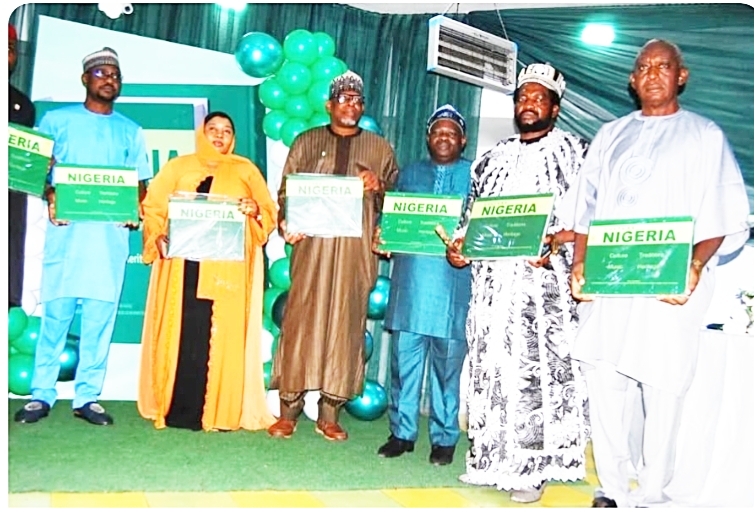
Nigeria Union of Journalists (NUJ), in collaboration with O&i Contact Limited, has during the unveiling of a book titled: Culture Nigeria, described Culture as the only panacea for peace stability in Nigeria and a roadmap for promoting unity, and sustainable development.
Presenting the book in Abuja, the President of the Nigeria Union of Journalists (NUJ), Comrade Alhassan Yahya, who was represented by the National Secretary of the Union, Achike Chude, said the unveiling of Culture Nigeria, was more than a literary achievement, described it as a significant intervention at a time when Nigeria is facing economic, social and structural challenges.
He said, Nigeria’s rich cultural heritage should not be viewed as a relic of the past but as the foundation for building a stronger and more united nation.

Culture he added, “remains central to politics and national development, providing a unique framework for understanding and addressing the country’s contemporary challenges, particularly insecurity.
“Nigeria has more than 250 ethnic groups and as such, should be regarded as a source of strength capable of driving economic growth and social cohesion, rather than serving as a basis for division”, he averred.
Speaking further, NUJ President expressed concern over what he described as the dangerous intersection between culture and politics, noting that successive political actors had often exploited ethnic and cultural differences for electoral advantage instead of using them to strengthen governance.
He said such practices had fuelled identity politics and weakened public confidence in national institutions.
NUJ Boss equally called for a shift from the politicization of culture to what he described as the “culturisation of politics”, where governance is guided by indigenous values such as integrity, accountability, honour and mutual trust.
Yahaya described culture as one of Nigeria’s most underutilised tools for restoring peace, noting that traditional rulers, community leaders and local associations had historically maintained order and social harmony before the advent of modern policing.
This he said, will make Nigeria’s creative industry, including Nollywood, Afrobeats, fashion and literature as one of the country’s most valuable non-oil sectors, capable of generating employment, attracting foreign exchange and strengthening Nigeria’s global influence through cultural diplomacy.
Speaking earlier, the author of the book, Mr Isaac Osaikhiwu, described ‘Culture Nigeria’ as more than a book, saying it is a monumental compendium that documents the cultures of the various peoples that make up the country.
According to him, the publication provides a rich and comprehensive account of Nigeria’s cultural diversity while highlighting the connection between culture, governance and national development.
“This book seeks to establish the relationship between culture and the effects and consequences of governance especially on the declining cultural values”.
Osaikhiwu added that although the primary objective of the book is to celebrate Nigeria and its diverse peoples, it also demonstrates that the wellbeing of the nation is largely determined by the socio-cultural values upheld by its citizens.