By Joy Salami
An International development organisation, Sightsavers, says Nigeria could gain an estimated $2.45 billion in economic benefits by 2030 with increased investment in eye care.
The organisation made the claim on World Sight Day, marked on October 8, as it called on the Federal Government, donors and the public and private sectors to integrate eye care into the health system and expand access to services.
According to Sightsavers, more than 24.2 million Nigerians were living with vision impairment in 2020. It cited research by the International Agency for the Prevention of Blindness (IAPB), the Seva Foundation and the Fred Hollows Foundation, which estimated the economic returns from greater investment. IAPB data also indicates that early intervention for children with vision impairment could raise their lifetime earnings by 49 per cent.
Sightsavers’ Country Director, Prof Joy Shu’aibu, said the tools to tackle avoidable blindness already exist.
Related News

According to her, the solutions already exist. Glasses, cataract surgery and stronger eye care systems can transform lives, yet too many people still cannot access the support they need.
She described the inaugural Global Summit for Eye Health, scheduled for November, as a chance for leaders to turn pledges into action. The summit will be hosted by the Government of Antigua and Barbuda in collaboration with the World Health Organization and IAPB.
Adding that it’s encouraging to see global leaders already supporting eye care and engaging in pre-Summit discussions. Momentum is building, but more effort is needed.
She said Sightsavers would work with governments and partners to strengthen health services, support eye health professionals and bring services closer to communities. The organisation also wants vision and eye care built into health, education, livelihood and road safety programmes.
The organisation noted that eye care remains overlooked in many health and development plans, even though more than 85 per cent of people with vision impairment live in low- and middle-income countries. Women and girls account for more than half of those living with visual impairment, it added.
Sightsavers is already working with the government and other partners in Nigeria on the “Focus on Clear Vision” project, which trains health workers and teachers in basic eye screening and supports community outreach, the provision of glasses and equipment, and gender and disability inclusion training.
To mark World Sight Day, it is also running free eye screenings with the Kaduna, Zamfara and Sokoto State governments.
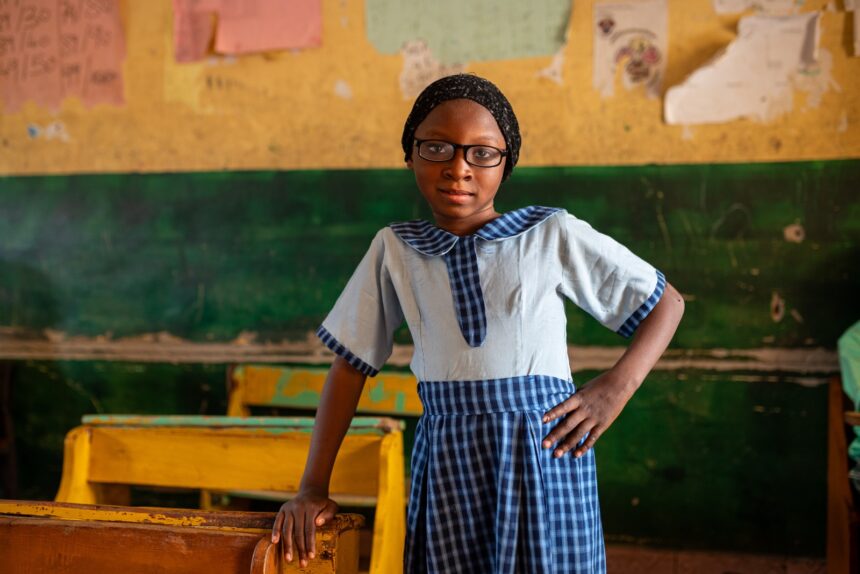
The organisation illustrated the impact of such services with the case of Favour, a schoolgirl from Kebbi State who struggled to see the board in class. A Sightsavers-supported screening diagnosed a refractive error, and she was given glasses.
Her mother said she is now seeing clearly, can identify letters and study well, while commending the initiative.