From Taiye Joseph, Ilorin
The Kwara State Police Command has intensified efforts to curb cultism and other social vices among young people, with a renewed call on students to reject criminal influences and embrace values that promote responsible citizenship.
The charge was delivered during the Police Campaign Against Cultism and Other Vices (POCACOV) Security Awareness Programme, for Schools held at the Police Officers’ Mess in Ilorin, where security agencies, education stakeholders and legal practitioners urged students to become partners in building safer schools and communities.
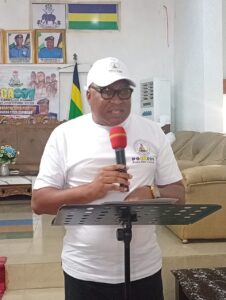
Speaking at the event, the Commissioner of Police in Kwara State, CP Adekimi Ojo, said the command was shifting greater attention towards preventive policing through education and community engagement rather than relying solely on law enforcement.
Related News


He said schools must remain safe spaces where children can learn without fear of cultism, drug abuse, cybercrime, bullying, examination malpractice and violence.
“Our schools should remain places where children can learn, grow and fulfil their potential without fear. The growing threats of cultism, drug abuse, cybercrime, bullying and other social vices demand collective action from security agencies, parents, teachers, religious leaders, traditional institutions and the wider community,” he said.

The police commissioner urged students to avoid friendships capable of leading them into criminal activities, stressing that the decisions they make today would determine their future.
“Reject cultism, drug abuse, internet fraud, violence and every activity that can destroy your dreams. Instead, embrace discipline, honesty, hard work, respect for others and dedication to your studies. These values will open doors of opportunity and help you become responsible citizens and future leaders,” Ojo added.
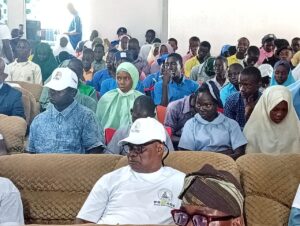
He also appealed to parents and teachers to take a more active role in mentoring children by instilling discipline, moral values and respect for the law, while calling on government agencies, faith-based organisations, community leaders and the private sector to support crime prevention initiatives.
Ojo commended the POCACOV State Coordinator, ASP Ibrahim Muritala, and members of the initiative for taking security awareness campaigns directly to schools, describing the programme as a vital investment in youth development.
Earlier, Muritala said the awareness programme was designed to prevent crime before it occurs by educating young people on the dangers of cultism, drug abuse, cybercrime, examination malpractice, bullying and other anti-social behaviours.
According to him, POCACOV remains one of the Nigeria Police Force’s key preventive policing initiatives aimed at steering young people away from crime through advocacy, mentorship and community partnerships.
“Today’s programme is not merely another gathering; it is a strategic investment in the future of our children and our nation. Through education, awareness and positive engagement, we can redirect our youths from destructive behaviours towards productive and meaningful lives,” he said.
Muritala advised students to resist peer pressure and avoid secret cults, urging them to choose friends who promote discipline, integrity and hard work.
He also appealed to parents, teachers, religious institutions and community leaders to collaborate with the police in protecting children from negative influences.
At the event, retired Police Public Relations Officer, SP Ajayi Okasanmi, delivered a lecture highlighting the causes, consequences and preventive measures against cultism and social vices.
He traced the history of cultism in Nigeria to its emergence in tertiary institutions before spreading to secondary schools and communities, noting that peer pressure, poor parental supervision, drug abuse, unemployment, poverty and weak moral values were among the factors driving youth involvement in criminal groups.
Okasanmi warned that cultism often results in school expulsion, imprisonment, loss of lives, poor academic performance and reduced opportunities, while contributing to insecurity and disruption of educational activities.
He urged students to reject invitations to secret groups, avoid drug abuse, report suspicious activities and remain focused on education and personal development.
Also speaking, Senior Advocate of Nigeria, Yusuf Ali, represented by Senior Associate at Yusuf Ali & Co, Ghalib Chambers, Obayomi Azeez Olaitan, cautioned students against joining cult groups, warning that the consequences could ruin their future.
“Don’t allow yourself to get lost in these groups because the punishment will take away your future. It is not worth it,” he said.
Ali maintained that security is a collective responsibility, urging students and members of the public to promptly report suspicious movements and criminal activities to security agencies.
“The real security issues are before all of us. Everybody has a role to play. We should create a safer society, and if you notice suspicious activities or strange movements in your community, you should raise the alarm,” he added.
The awareness programme featured presentations from representatives of the Department of State Services (DSS), the National Drug Law Enforcement Agency (NDLEA) and the Nigeria Security and Civil Defence Corps (NSCDC), who reinforced the need for stronger collaboration among schools, families, security agencies and communities to safeguard young people from crime and social vices.