…blames Muslim disunity for Gaza crisis
From Taiye Joseph, Ilorin
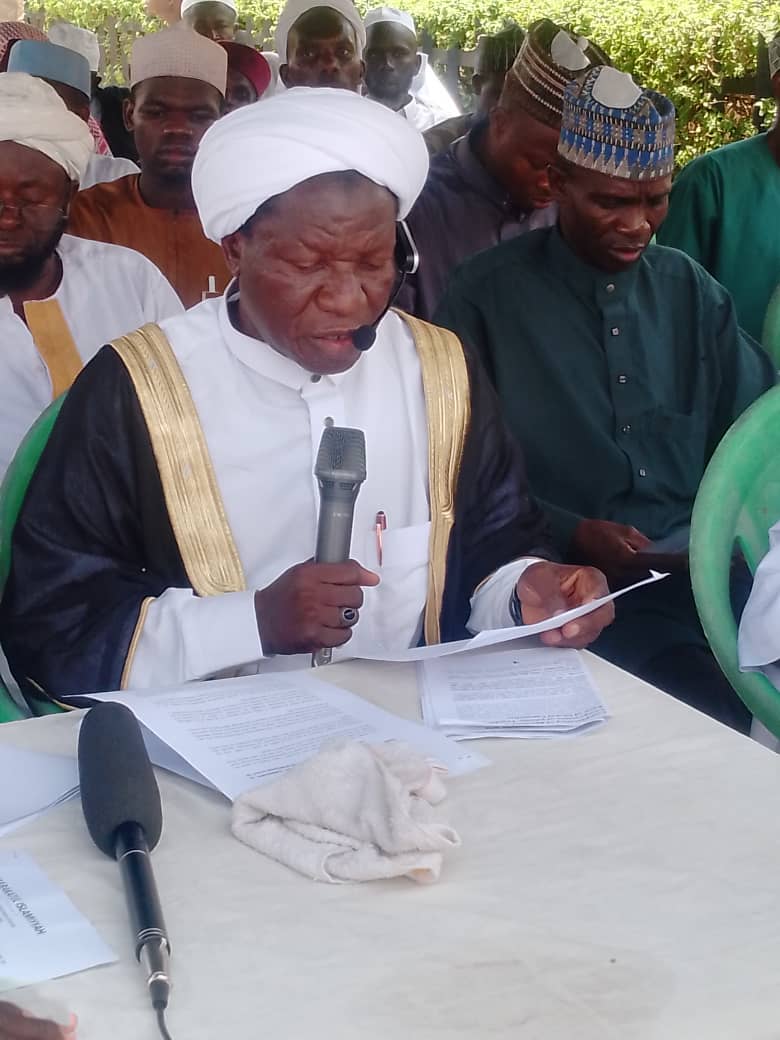
An Islamic organisation, Harakatul Islamiyyah, has called on the Federal Government, to reconsider its diplomatic ties with Israel, blaming what it described as growing disunity among Muslims worldwide for the worsening humanitarian crisis in Gaza.
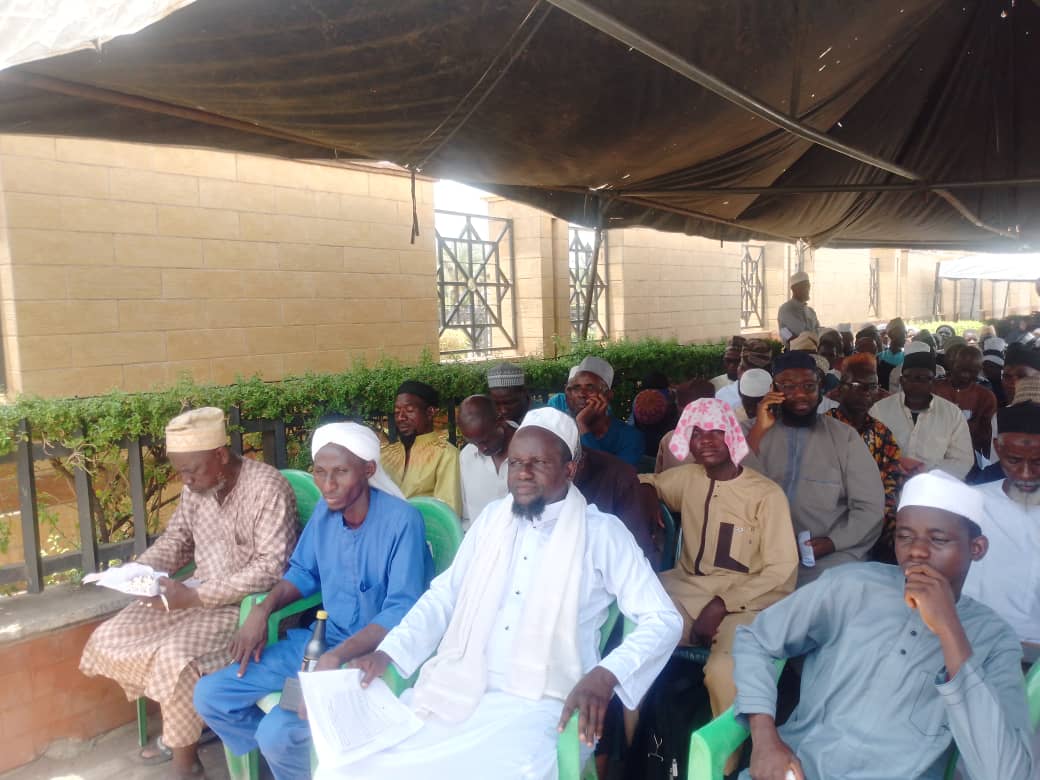
The group made the call in a statement to mark the 2026 Quds Day, an annual event observed by Muslims to express solidarity with Palestinians and highlight the significance of Masjid Al-Aqsa.
Related News

Speaking on behalf of the organisation, its leader, AbdulRazzaq Aladodo, said the continued suffering of Palestinians reflects a failure of unity and commitment to Islamic values across the Muslim world.
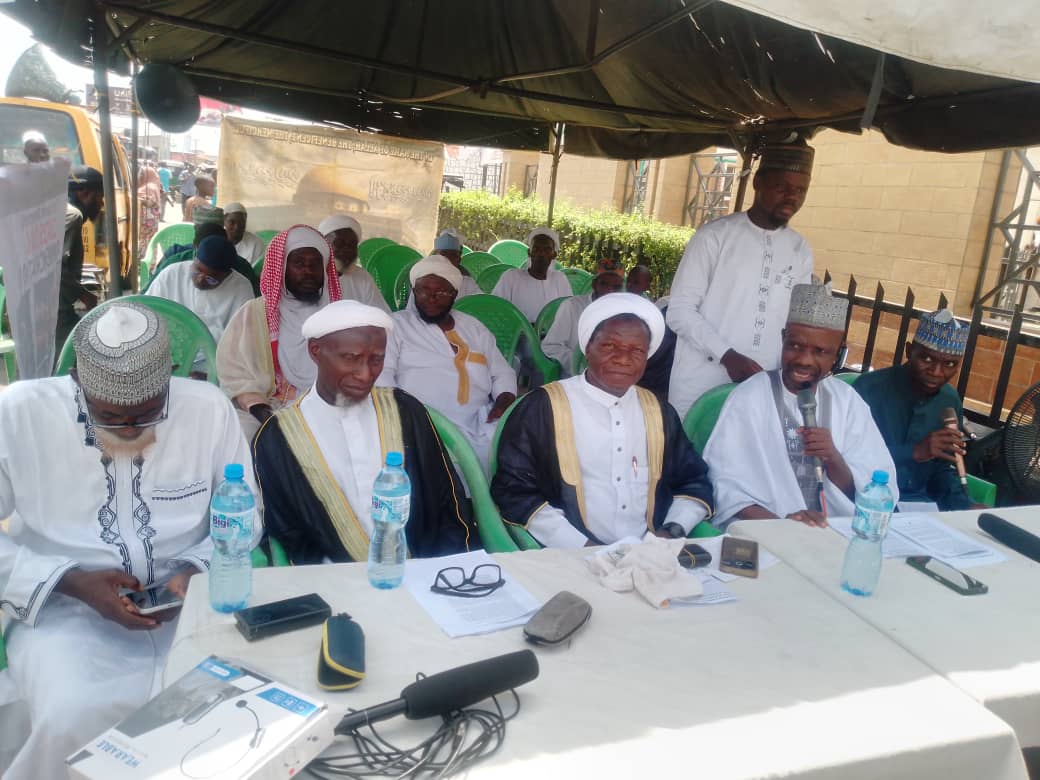
He described Masjid Al-Aqsa as the third holiest site in Islam, stressing that its status goes beyond religion to include political and historical importance for Muslims globally.
According to him, the roots of the crisis date back to the creation of the State of Israel in 1948, which he said led to the displacement of Palestinians and the struggle over control of Jerusalem’s sacred sites.
He linked the current tensions to recent developments in the Middle East, including the October 7, 2023 attacks on Israel, which he noted escalated hostilities across the region and drew in other actors such as Iran.
“There is a clear connection between ongoing military confrontations in the Middle East and the longstanding Palestinian struggle, which must not be sidelined,” he added.
Aladodo, however, criticised what he termed a weak global Muslim response, warning that internal divisions continue to undermine collective influence.
On Nigeria’s role, he urged the government led by Bola Ahmed Tinubu, to go beyond calls for ceasefire and openly condemn Israel’s actions. He called for a complete severance of diplomatic relations with Israel over alleged human rights violations in Gaza.
The group also urged Muslim-majority countries to prioritise humanitarian support for Palestinians and resolve internal disputes, warning that continued disunity weakens the global Muslim voice.
In a related Quds Day message, another speaker, Saad Olawale, called on Muslim leaders to reflect on what he described as moral and spiritual decline within the Ummah.
He said many of the crises facing Muslim nations, including the conflict in Palestine, are rooted in deviation from Islamic teachings and selective adherence to faith.
Olawale also pointed to insecurity, economic hardship and social instability in many countries as consequences of weak leadership and declining moral standards.
He urged Muslims to use Quds Day as a moment for reflection and renewal of faith, insisting that lasting peace and stability can only be achieved through justice, unity and adherence to divine guidance.
The organisation concluded with prayers for unity among Muslims and a peaceful resolution to the crisis in Gaza.