From David Onuoja, Abuja
The Chairman of the Independent National Electoral Commission (INEC), Professor Joash Amupitan, has called for a strategic merger of electoral technology and electoral communication into a single, unified discipline to effectively combat AI-driven disinformation ahead of the 2027 General Election.
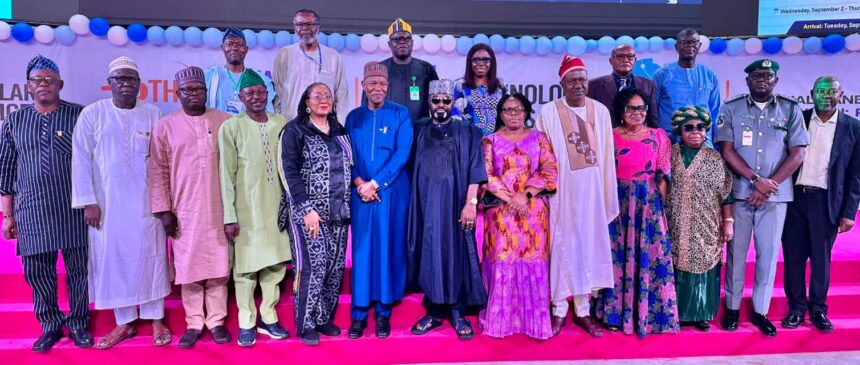
Speaking through one of the National Commissioner, Sani Adam, at the 13th Annual International Conference of the Association of Communication Scholars and Professionals of Nigeria (ACSPN), in Abuja on Wednesday, Amupitan said public trust now depends on how electoral processes are explained.
The conference, which was held at the National Open University Conference Centre, had the theme “Media, Technology and Elections in Africa: Navigating Digital Disruption and the New Dynamics of Electoral Communication”.
He said tools like the Bimodal Voter Accreditation System (BVAS) and the INEC Result Viewing Portal (IReV), were introduced to close a longstanding credibility gap by allowing citizens to view polling unit results before collation. However, he noted that the 2023 General Election showed that technology could also erode confidence when it underperformed. “Legitimacy is earned only when systems perform reliably, are well understood, and are explained honestly when they fall short,” he said.
Related News

To address vulnerabilities, the Chairman disclosed that INEC is undertaking a comprehensive audit of its electoral technology covering system redundancy, penetration testing and disaster recovery planning. The Commission is also exploring a mock presidential election ahead of 2027 to test accreditation, transmission and results viewing under conditions similar to election day.
On procurement, he confirmed that, INEC has proposed a substantial budget with significant allocations for technology and operations, including new accreditation devices to replace those lost or damaged in the last cycle, and that its ICT team has already engaged manufacturers.
Prof. Amupitan raised particular concern over generative AI, saying it has made manipulated video, audio and imagery cheaper to produce and harder to detect. He cited documented cases of doctored political content during recent electoral cycles in West and East Africa, including footage that circulated around Nigeria’s 2023 presidential contest. Beyond outright fabrication, he warned of algorithmic microtargeting that delivers conflicting messages to narrow segments of voters without a shared factual foundation, allowing falsehoods to reach millions before verification is possible.
He outlined a five-point approach: integrate technology and communication planning, establish a rapid-response unit to counter falsehoods within the same news cycle, communicate proactively about known vulnerabilities and safeguards, deepen partnerships with media scholars, fact-checkers and technology platforms, and invest in public media literacy.
He also called for structured collaboration with ACSPN on research, synthetic content detection, and training for journalists and civic educators, while noting ongoing work with international partners on cybersecurity architecture.
The INEC Chairman observed that Nigeria’s 2027 electorate will be younger and more mobile-first than any before, with smartphones serving as the primary window to the election.
He cautioned, however, that solutions from other countries must be adapted to Nigeria’s realities of internet access, language diversity and institutional trust. INEC’s answer to disinformation, he said, will be to provide better and faster information rather than restrict legitimate journalism or civic dissent, expressing optimism that the conference would produce a lasting channel of collaboration ahead of 2027.