From Taiye Joseph Ilorin
A social intervention group, the Rose Hope Foundation, has stepped up efforts to promote inclusive education, elderly care and vocational empowerment in Ilorin, Kwara State.
The foundation unveiled a broad agenda that targets vulnerable groups with free skills training and structured learning support.
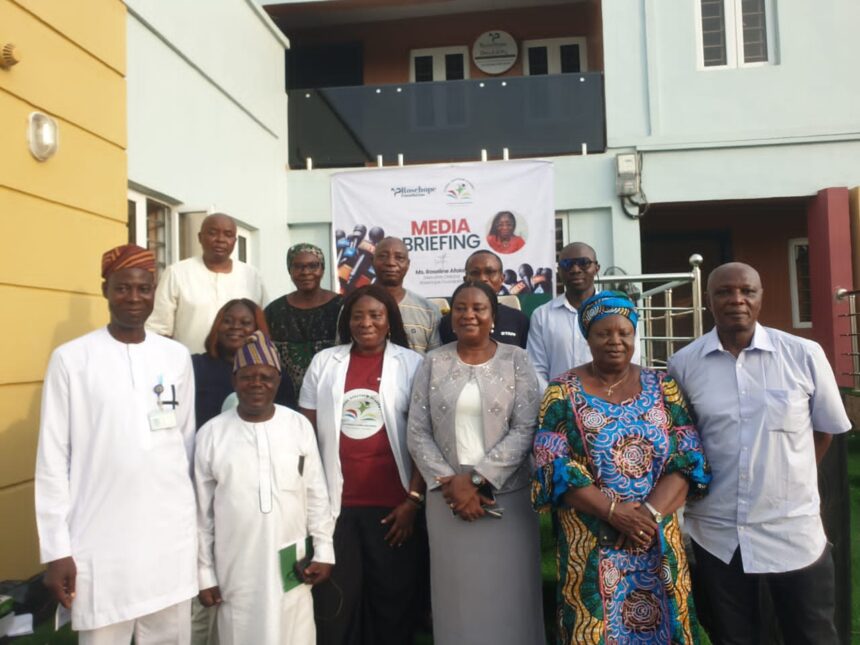
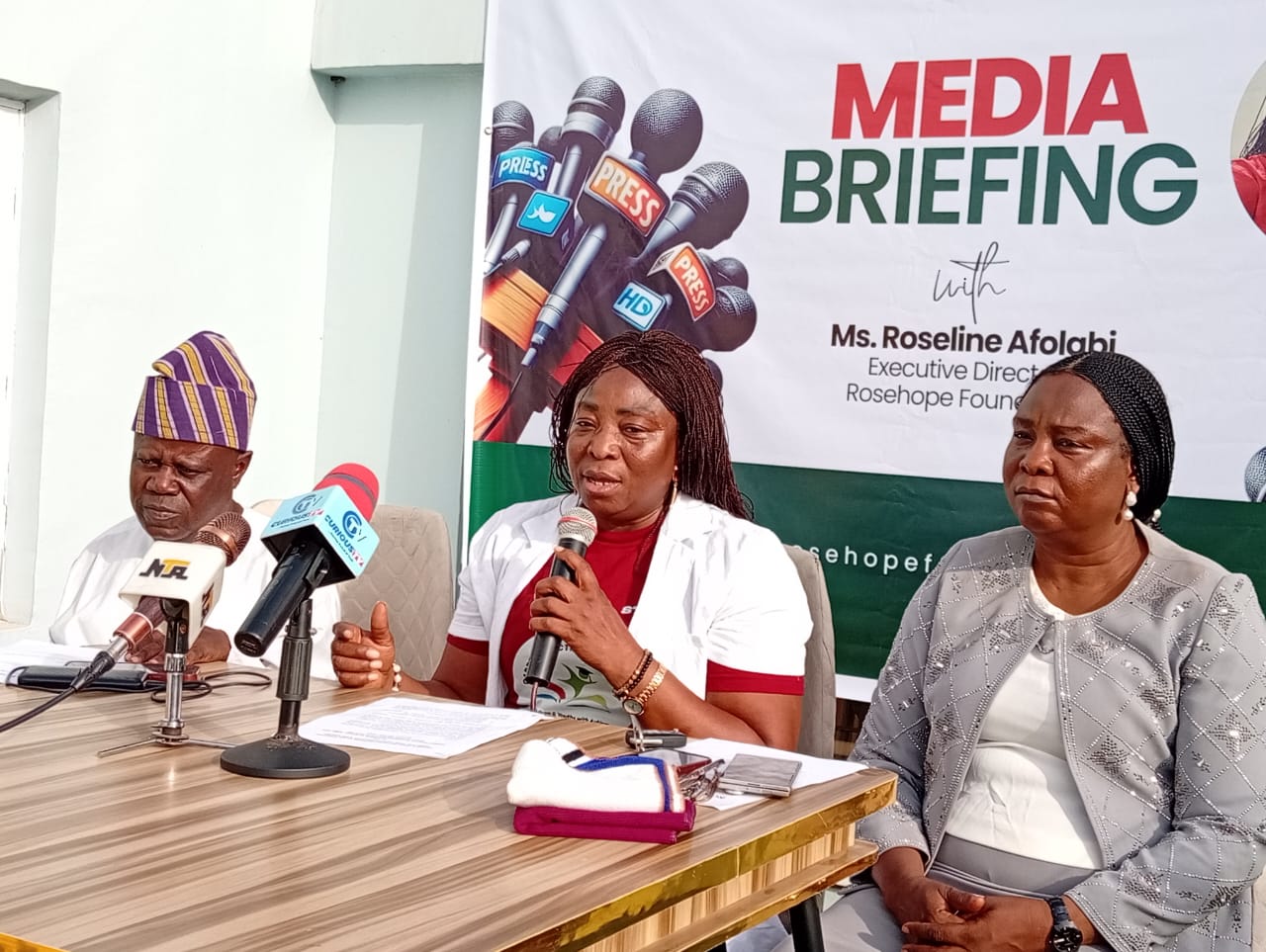
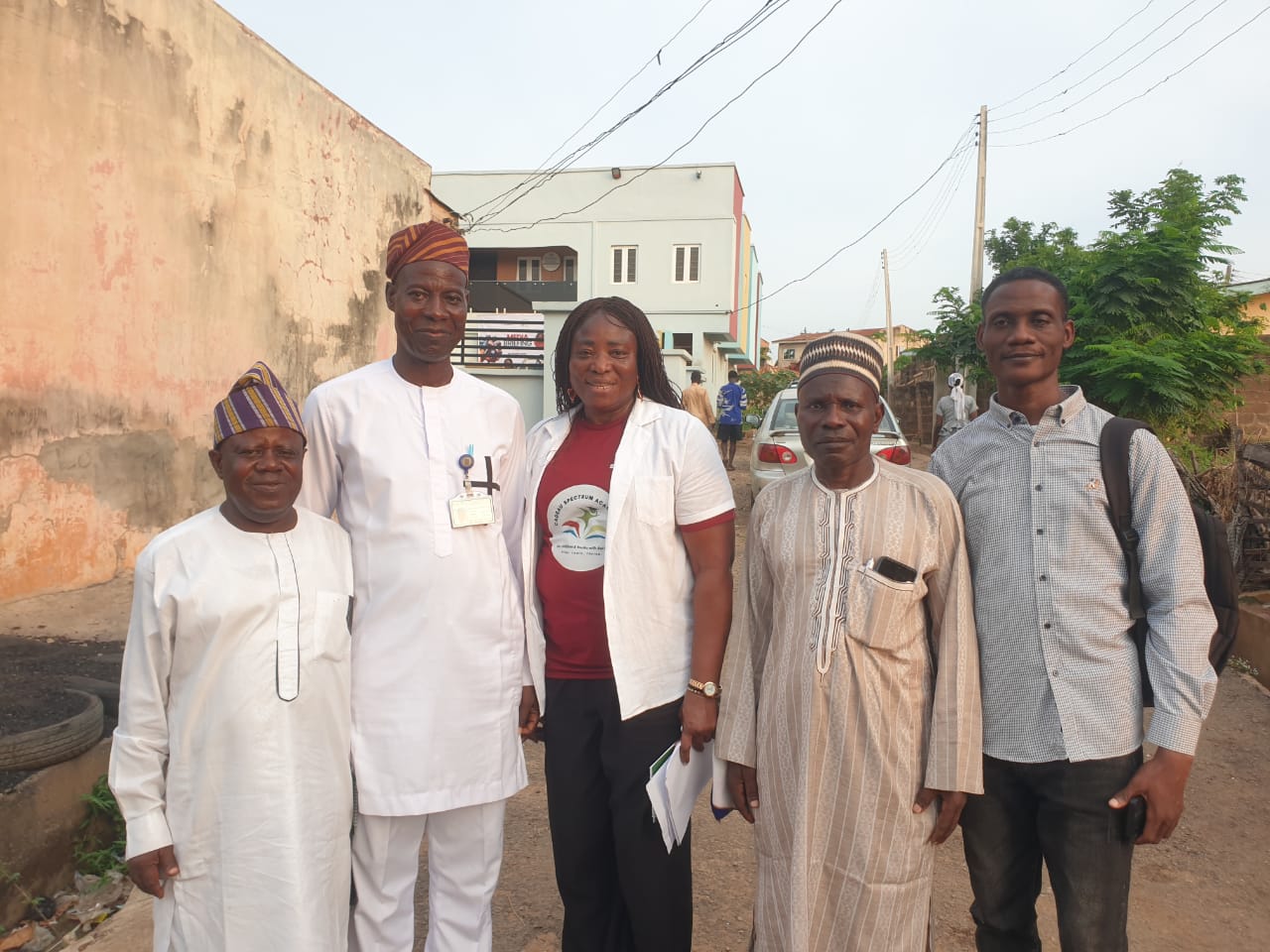
The Executive Director of the foundation, Rose Afolabi, disclosed the initiative during a press briefing held at Cadeau Spectrum Academy, saying the organisation was created to address long-standing gaps in care for persons with special needs and senior citizens.
Related News
She explained that since its establishment in April 2024, the foundation has focused on building systems that promote dignity, independence and social inclusion.
“The Rose Hope Foundation is a not-for-profit organisation dedicated to transforming lives through care, education and advocacy. Our focus is on individuals with special needs and the elderly, who are often underserved and overlooked in society,” she said.
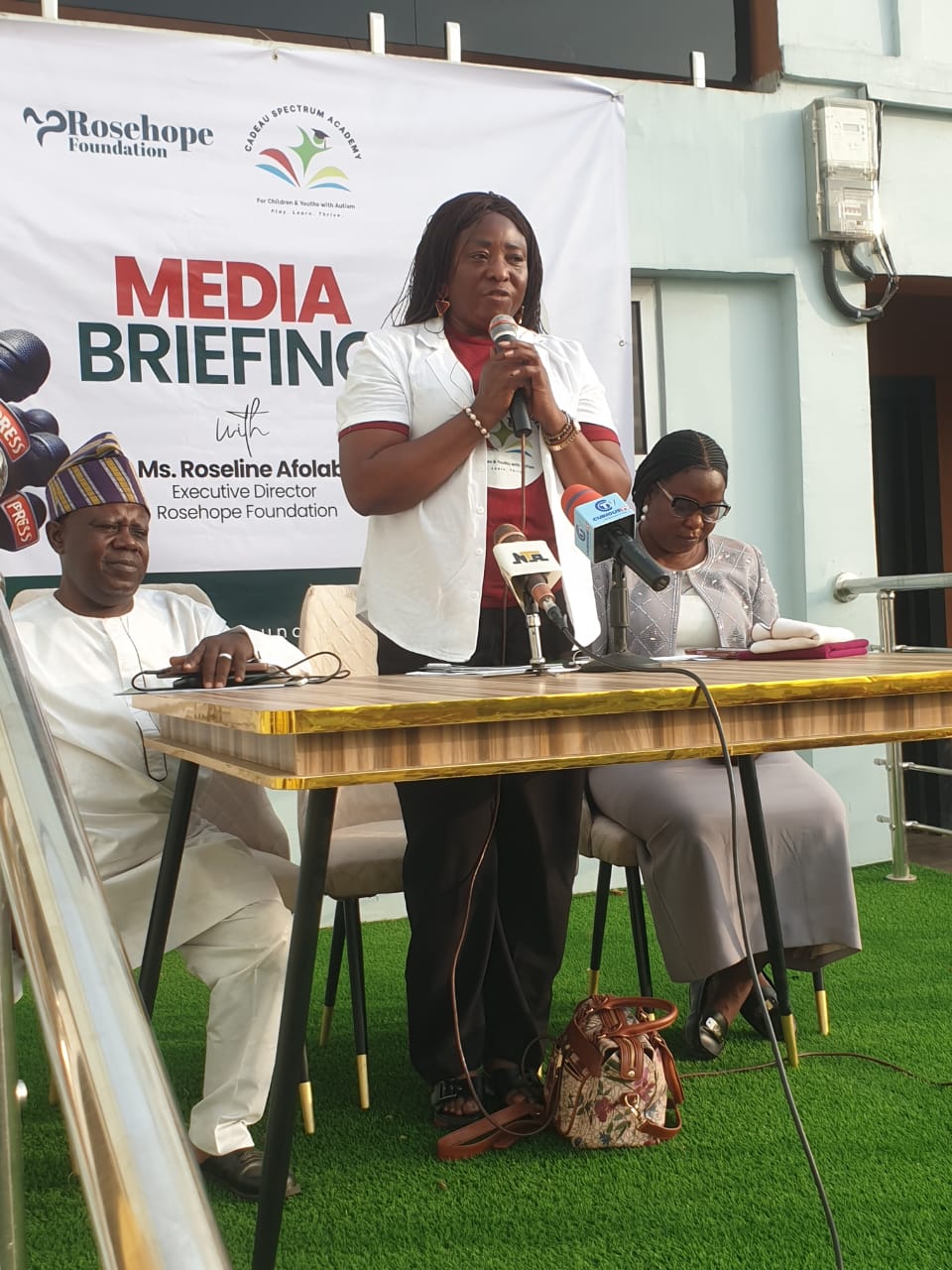
Afolabi said the organisation’s programmes now include an Autism Academy, elderly care services, free vocational training, and community-based research aimed at improving social welfare delivery.
According to her, the long-term vision is to build a society where disability is not seen as a limitation but as an opportunity for growth and contribution.
“We are building an inclusive society where disabilities are not seen as limitations, but as opportunities for growth, dignity and meaningful contribution,” she added.
She announced a free vocational training scheme open to persons with disabilities and other interested individuals, with upcoming training in tailoring, hairdressing and barbing aimed at promoting self-reliance.
“We are pleased to announce our free vocational training programme. It is open to all individuals, including persons with disabilities, and is designed to equip participants with practical and creative life skills for independence and self-reliance,” she said.
On autism support, Afolabi said the Cadeau Spectrum Academy was designed as a structured learning and therapy centre for children on the autism spectrum, with services including speech therapy, behavioural support, sensory integration and creative learning.
“The word ‘Cadeau’ means gift, and it reflects our belief that children with autism are not burdens to be hidden but treasures to be nurtured,” she said.
She also highlighted the academy’s boarding facility and calm learning environment, noting that it was built to provide continuous care and personalised education.
On elderly care, she stressed the need to restore dignity to ageing citizens, describing it as a responsibility that goes beyond medical attention.
“We believe that growing old should never mean been forgotten. Elderly care is not just about medical support, it is about restoring dignity, independence and emotional well-being,” she said.
Afolabi further revealed that the academy is government-approved, with ongoing engagements aimed at strengthening compliance and partnerships, adding that expansion plans are underway with a branch already in Epe, Lagos State.
She commended Kwara State Governor, AbdulRahman AbdulRazaq, for what she described as sustained support for special needs education in the state.
Also speaking, Rotarian Caroline Leo, described the initiative as a growing humanitarian model aligned with Rotary values of service, vocational empowerment and community development.
Leo said members of Rotary had supported the project from inception and had witnessed its gradual transformation into a full-scale intervention centre.
“We have actually been together from the beginning… the change here is amazing because we saw what it was like from the start,” she said.
She noted that the project reflects Rotary’s focus on care for children, the elderly and skills development, adding that it has strong potential to grow into a major rehabilitation and empowerment hub.
“We are partners in business as Rotary. She is a Rotarian as well… she sold her idea to us and we bought it,” she said.
Leo expressed optimism that the initiative would expand significantly with increased public awareness and support from individuals and organisations.
She also called for stronger participation from philanthropists and NGOs, noting that while government support is important, private contributions often drive such humanitarian projects.
Highlighting the importance of skills acquisition, Leo said vocational training remains critical in today’s economy, especially for young people seeking sustainable livelihoods.
She added that the initiative is open to collaboration and has the potential to complement government efforts in social welfare delivery.
“All the programs we intend to offer are something government should be interested in because it will help citizens in need,” she said.
Leo expressed hope that the foundation would grow beyond expectations and become a model for inclusive development across Nigeria.