By Joy Salami
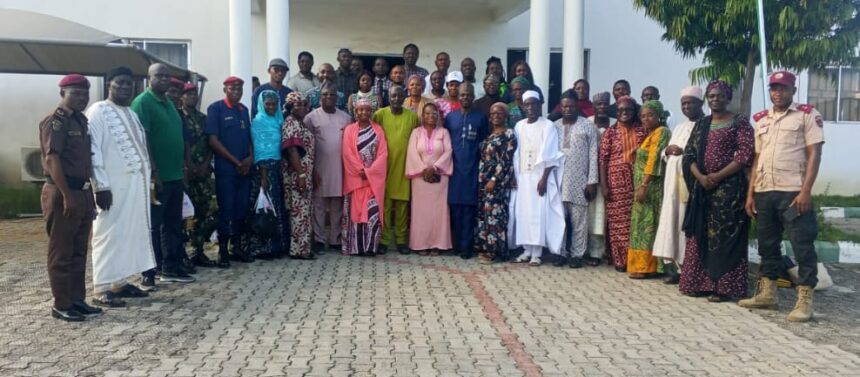
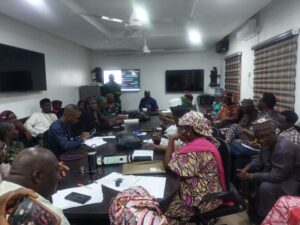
The Kogi State Government, has inaugurated the Insecticide-Treated Nets Campaign Coordination Committee (ICCN), to kick-start preparations for the 2026 statewide ITN Mass Campaign, with plans to distribute more than three million insecticide-treated mosquito nets across the state as part of efforts to accelerate malaria prevention and achieve universal health coverage.
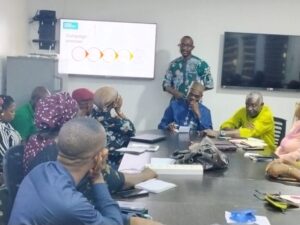
Presenting an overview of the campaign at the inauguration, held at the Emergency Operations Centre (EOC), of the Kogi State Ministry of Health in Lokoja, the State Campaign Manager of Malaria Consortium, Dr. Ake Stephen, said about 3.9 million mosquito nets are planned for distribution during the 2026 campaign, with Kogi expected to receive over three million nets.
He disclosed that a maximum of four insecticide-treated nets would be distributed to each household during the exercise.
Related News

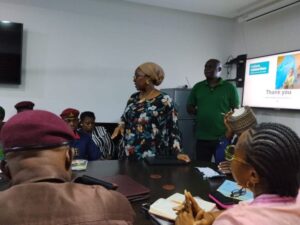
Dr. Stephen explained that unlike previous exercises where beneficiaries collected nets at designated centres using net cards, this year’s campaign would adopt a digitalised door-to-door, single-phase distribution system, with trained teams visiting every household to register beneficiaries electronically and immediately hand over the nets, eliminating the need for collection points.
According to him, micro-planning activities have commenced across the state, with officials from all 21 Local Government Areas already trained on household data collection to ensure accurate planning before implementation.
The campaign implementation strategy also encompasses intensive public enlightenment and community engagement activities before, during and after distribution, to ensure proper utilisation and sustained behavioural change, he said, adding that the exercise would include baseline household surveys, advocacy activities and post-distribution monitoring to discourage misuse of the nets for farming or other purposes.
He explained that the newly inaugurated ICCN would coordinate the overall implementation of the campaign through effective monitoring and supervision, providing strategic direction, coordinating the activities of ministries, departments and agencies, development partners and implementing organisations, mobilising political, financial and technical support, and ensuring effective logistics, commodity security and supply chain management throughout the distribution process.
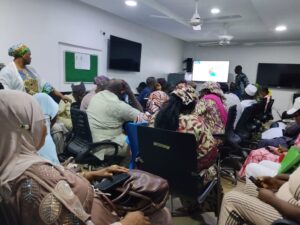
The committee, he added, would also facilitate advocacy, social mobilisation, risk communication and community engagement, coordinate security arrangements for personnel and campaign materials, monitor implementation across the state, address operational challenges and oversee post-campaign evaluation and accountability.
The Director of Public Health in the Ministry of Health, Dr. Francis Akpa, recalled that the last statewide ITN campaign was conducted in 2017, after which the state experienced setbacks that affected subsequent interventions.
He revealed that Kogi was previously excluded from receiving mosquito nets due to challenges encountered during the earlier campaign but expressed gratitude that the state had regained the confidence of international partners, disclosing that the mosquito nets being supplied were procured through support from GiveWell and Malaria Consortium using World Health Organization-approved procurement processes.
Dr. Akpa credited the Seasonal Malaria Chemoprevention programme implemented by Malaria Consortium over the past five years with significantly reducing malaria prevalence among children under five in the state.
He urged all stakeholders to support the upcoming campaign, expressing optimism that the combination of seasonal malaria chemoprevention and widespread use of insecticide-treated nets would further reduce malaria transmission and improve the health of residents across Kogi State.
Speaking during the inauguration, the Project Director of the ITN Campaign, Malaria Consortium Abuja, Mrs. Mopelola Raji, said Malaria Consortium was encouraged by the significant reduction in malaria-related illness and deaths in the state, noting that recent outreach programmes recorded no cases of severe malaria among children, an indication that previous interventions were yielding positive results.
She explained that while Kogi State had benefited from the Seasonal Malaria Chemoprevention (SMC) programme over the years, the ITN campaign would provide another layer of protection against malaria, and said the committee would adopt a multi-sectoral approach, with ministries, agencies, security outfits, traditional rulers, religious bodies and development partners playing key roles to ensure the success of the exercise.
In her words, the fight against malaria requires collective action. Every stakeholder has a responsibility, from the education sector providing training venues, agriculture providing warehouses, security agencies safeguarding commodities, traditional institutions mobilising communities, to the Ministry of Information driving public awareness,
The committee’s leadership structure places the Commissioner for Health and Human Services as Chairman, with the Ministry’s Permanent Secretary as Co-Chairman and the Programme Manager of the State Malaria Elimination Programme (SMEP) serving as Secretary.
Inaugurating the committee on behalf of the Coordinating Commissioner for Health, Dr. Abdulazeez Adeiza, the Permanent Secretary of the Ministry of Health, Mr. Maji Enoch, charged members to justify the confidence reposed in them by providing effective leadership and ensuring a transparent, efficient and successful implementation of the campaign.
He conveyed the commissioner’s goodwill message, noting that Dr.Adams remained fully committed to the success of the campaign, and appreciated Governor Ahmed Usman Ododo for providing the enabling environment and resources needed to strengthen healthcare delivery in the state.
He urged members to work collaboratively with all stakeholders to guarantee that every eligible household benefits from the distribution exercise, stressing that the success of the campaign would significantly reduce the burden of malaria in Kogi State.
With the ICCN now in place, the state government has signalled a fresh push to get insecticide-treated nets into every community, household and hard-to-reach corner of Kogi, part of a broader push toward stronger public health outcomes and universal health coverage.