By Joy Salami
Sightsavers has said 84 per cent of blindness in Nigeria is avoidable, yet only about 4.4 per cent of Nigerians have access to eye health services.
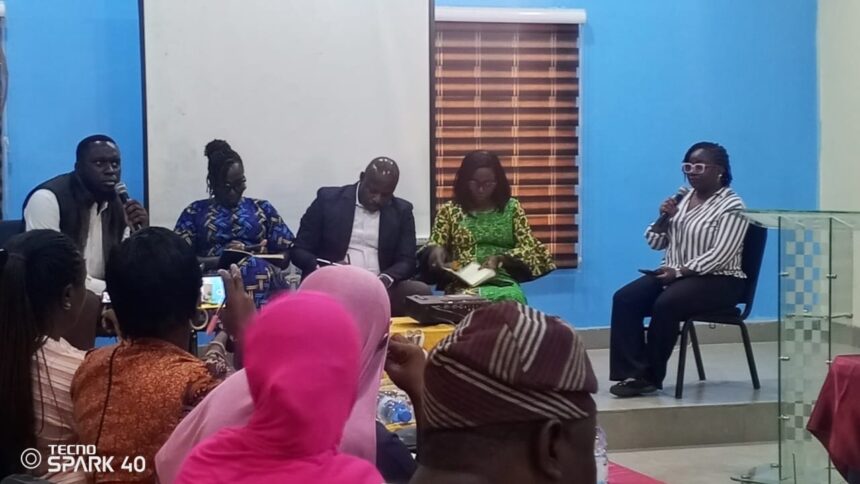
The organisation’s Eye Health Programme Officer, Dr Joshua Ibenu, disclosed this at its two-day Media Partners Meeting in Keffi, Nasarawa State, which brought together 34 selected journalists from across the North Central.
Ibenu said about 4.25 million Nigerians aged 40 and above are blind or visually impaired, including roughly 1.13 million adults who are blind. He added that cataract accounts for 43 per cent of blindness and can be effectively treated through surgery.
According to him, Sightsavers screened more than 4.6 million Nigerians and supported over 14,000 cataract surgeries between 2013 and 2026. He added that more than 60,000 people had benefited from refractive error correction in the past decade, while over 27,000 teachers and primary eye health workers had been trained in basic eye care over 13 years.
Related News

Ibenu said the organisation was moving away from outreach that delivers services without follow-up towards care that includes patient monitoring, testing and long-term follow-up. The aim, he said, is to reach women, children and persons with disabilities in remote communities, working with local governments and hospitals to train local doctors and improve infrastructure.
He warned that poor vision also carries heavy economic costs through lost productivity and income.
“Because 84 per cent of blindness in Nigeria is avoidable, investments in cataract surgery, spectacles, school eye health programmes, and primary eye care can generate significant social and economic returns,” he said.
Ibenu said the programme is being implemented in seven states and the Federal Capital Territory. He disclosed that the organisation had contributed to national policies and guidelines, including the National Eye Health Policy, the National Eye Health Strategy and the Nigerian Glaucoma Guideline, which he described as the first of its kind in Africa.
He added that Sightsavers is also working with the federal government and states to domesticate national eye health policy and to include eye health indicators in the national health data system.
Giving a global overview, he said Sightsavers had supported 9.7 million cataract operations and conducted 235.8 million eye examinations worldwide.
He added that more than one billion people live with preventable or treatable vision impairment, about 90 per cent of them in low- and middle-income countries