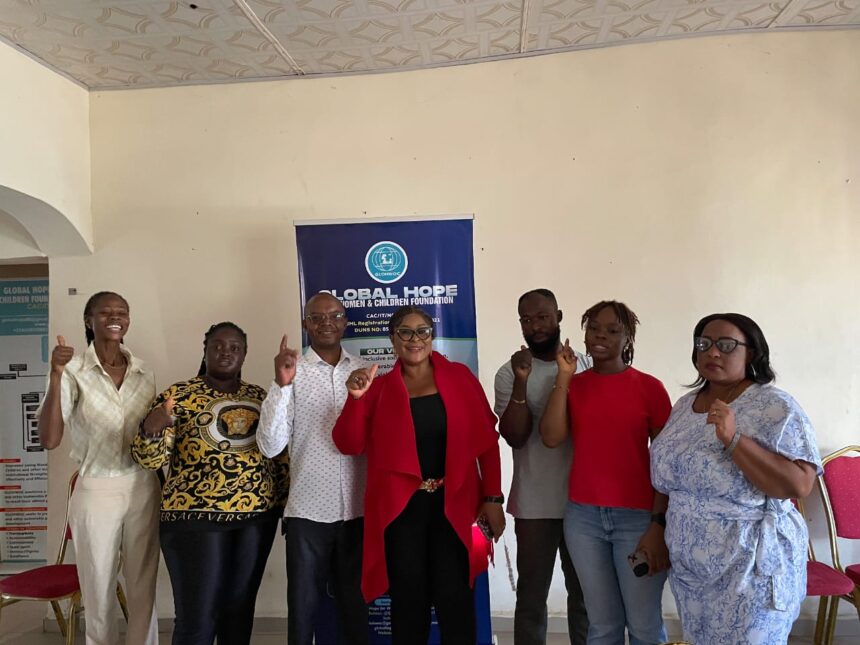
From Taiye Joseph, Ilorin
The Global Hope for Women and Children (GLOHWOC), Foundation has said prioritising the well-being of humanitarian workers is essential for delivering quality, compassionate, and sustainable support to vulnerable women, children, and survivors of violence.
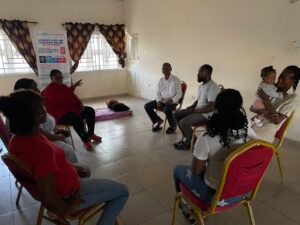
GLOHWOC stated this during a four-week Self-Care Training and Retreat held for eight staff members with the theme: “Caring for the Caregivers: Building Resilience, Well-being and Professional Effectiveness.”
According to the organisation, the initiative was designed to strengthen staff resilience, improve physical, emotional, mental, and psychological well-being, and equip workers with practical strategies for managing workplace stress while staying effective.
Related News

Speaking at the programme, GLOHWOC Counsellor JIL Jesutumininu, said humanitarian workers who serve vulnerable populations often face heavy workloads, emotional strain, compassion fatigue, secondary traumatic stress, and burnout.
She stressed that deliberate investment in staff well-being is essential for sustaining effective humanitarian programming and ensuring quality service delivery.
“GLOHWOC recognises that its staff are its greatest asset. Investing in their well-being is fundamental to maintaining high-quality programming, safeguarding staff welfare, preventing burnout, and enhancing organisational effectiveness,” Jesutumininu said.
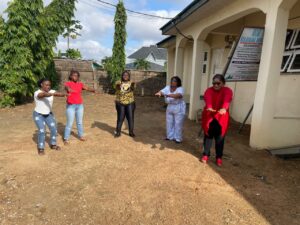
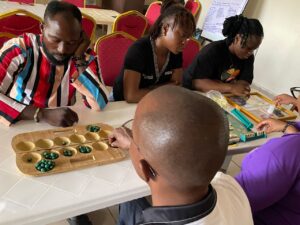
The training ran for four weeks with two sessions each week. It featured interactive presentations, group discussions, case studies, guided self-reflection, mindfulness and relaxation techniques, physical wellness activities, team-building exercises, and experience-sharing sessions.
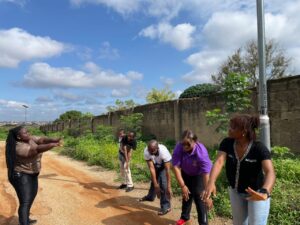
GLOHWOC said the programme was designed to help participants understand self-care as a professional responsibility, build healthy coping mechanisms, improve emotional intelligence and stress management, and promote better work-life balance.
Participants also learned practical ways to build resilience, foster peer support, improve teamwork, and maintain personal wellness while responding to the needs of vulnerable communities. Each participant developed an individual self-care plan at the end of the retreat.
The foundation reaffirmed its commitment to building a culture that prioritises staff wellness. It said healthy, resilient, and motivated personnel are better equipped to provide effective, ethical, and sustainable humanitarian services.
GLOHWOC expressed confidence that investing in staff well-being will strengthen organisational performance and improve outcomes for the communities it serves.