Thursday, 16 Apr 2026
Subscribe
The Graphic Newspaper
  • Home
  • News
  • Politics
  • Top Story
  • More
    • Technology
    • The Nation
    • Education
Reading: KWASU Professor urges FG to adopt Larva Source Management, Geospatial Mapping in Malaria elimination drive
Font ResizerAa
The Graphic NewspaperThe Graphic Newspaper
Search
  • Home
  • News
  • Politics
  • Top Story
  • More
    • Technology
    • The Nation
    • Education

Trending →

SGS Dr. Ayoade applauds Ododo’s investment in education as antidote to terrorism

By The Graphic April 16, 2026

Education minister Alausa inaugurates two model schools in Kogi 

By The Graphic April 16, 2026

Operation Whirlwind intercepts 43,750 litres of smuggled fuel across Niger–Kwara routes

By The Graphic April 16, 2026

15 States take over electricity market under 2023 Electricity Act – NERC

By The Graphic April 15, 2026

Vunobolki drops bombshell, quits APC

By The Graphic April 15, 2026
Have an existing account? Sign In
Follow US
© 2024 Kogi State Newspaper Corporation. All Rights Reserved.
Health

KWASU Professor urges FG to adopt Larva Source Management, Geospatial Mapping in Malaria elimination drive

The Graphic
Last updated: April 16, 2026 12:17 pm
The Graphic
Share
4 Min Read
SHARE

From Taiye Joseph, Ilorin

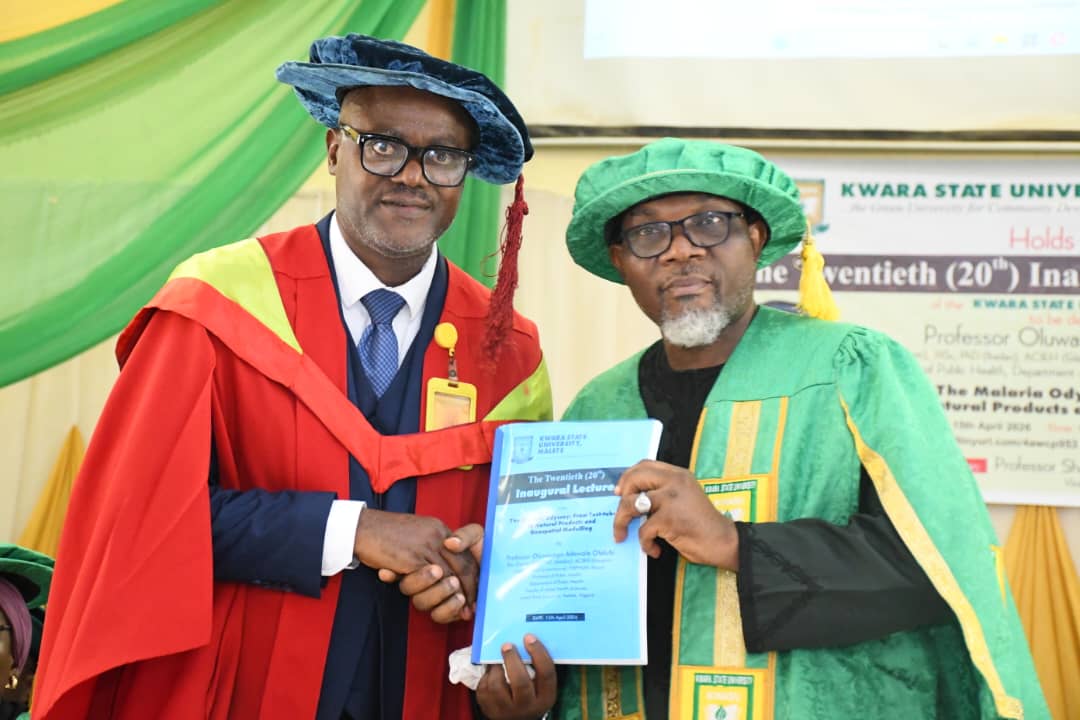
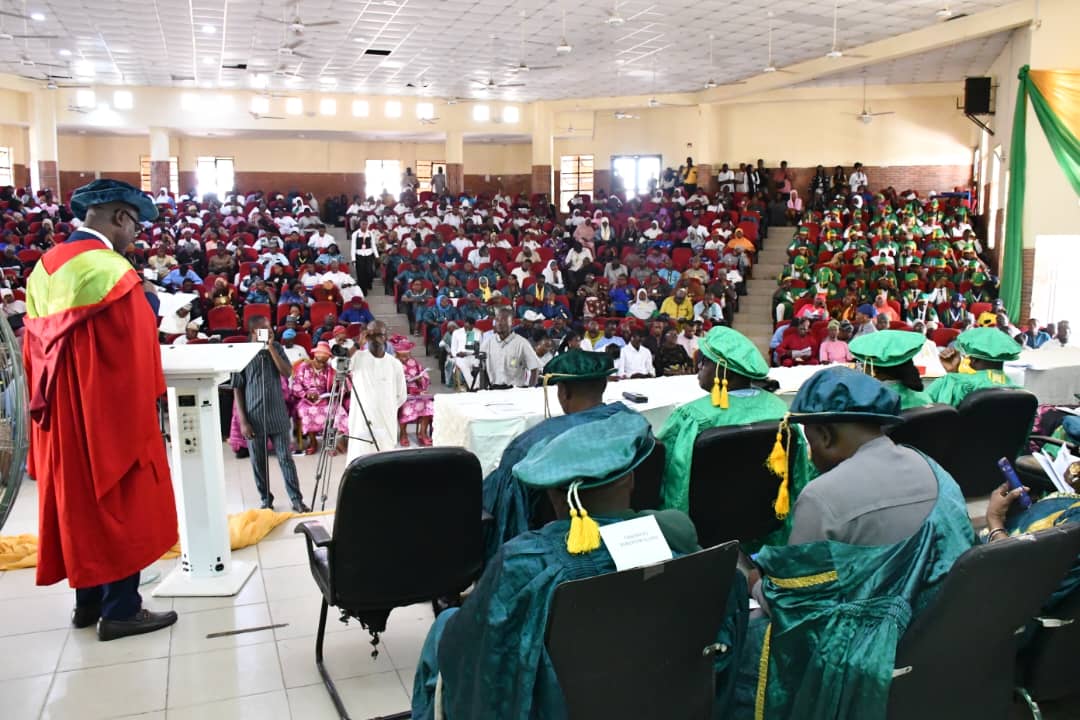
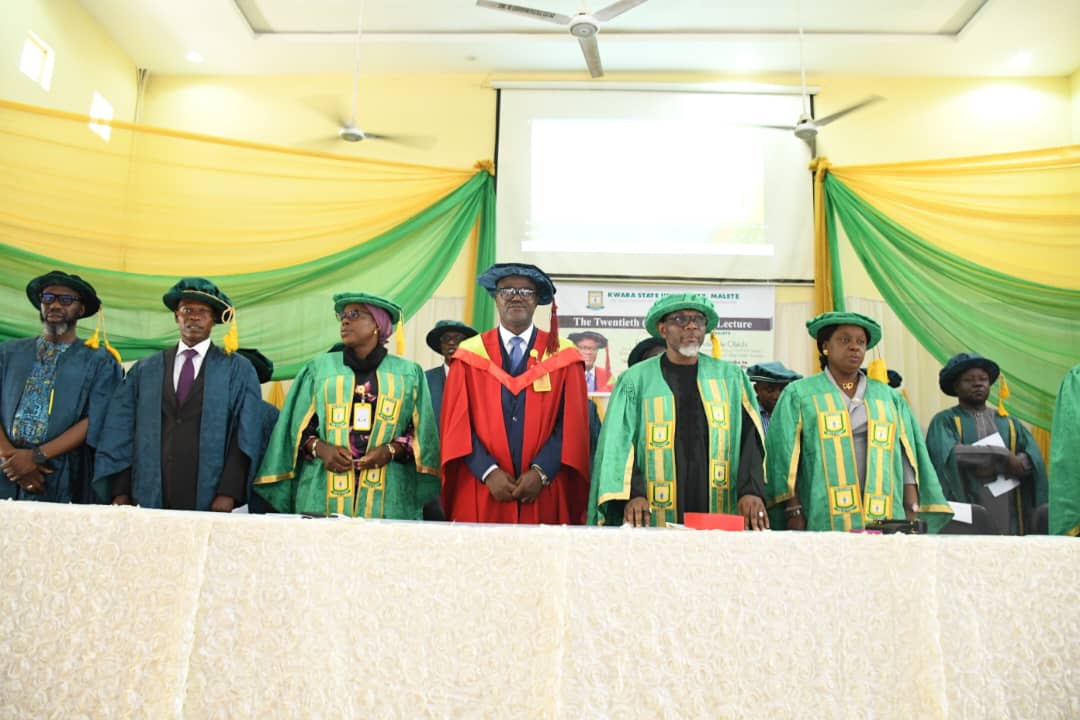
A Professor of Public Health at the Kwara State University, Malete, has called for a decisive shift in Nigeria’s malaria control strategy, urging stronger reliance on local research, data-driven tools and integrated vector management as the country intensifies efforts toward elimination.
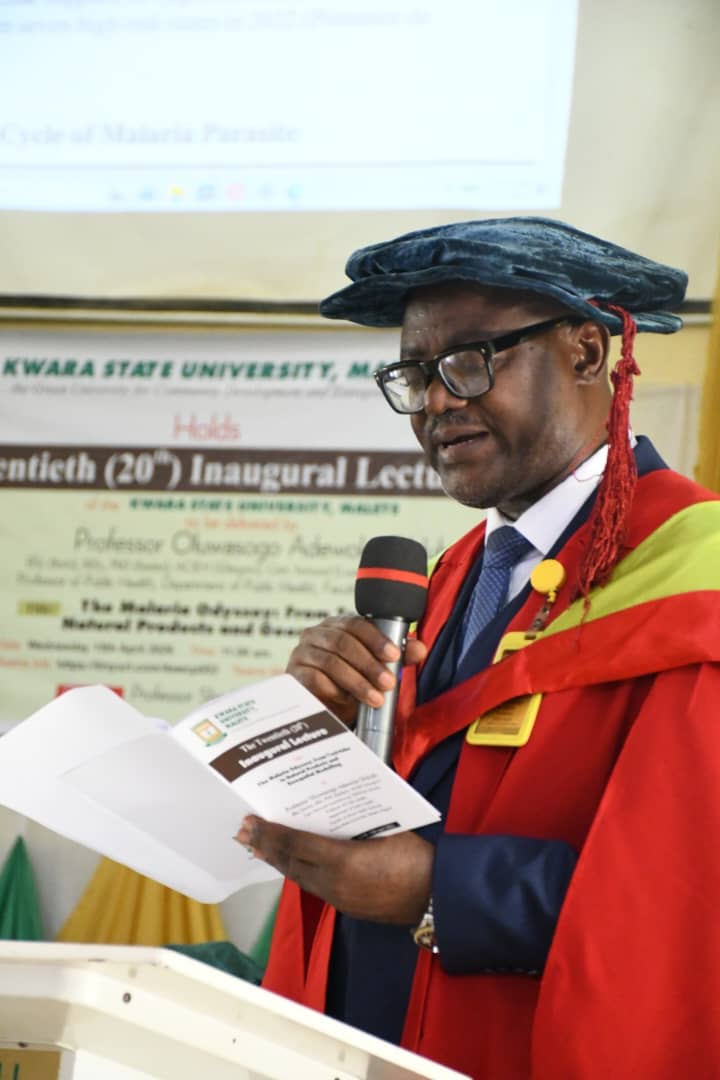
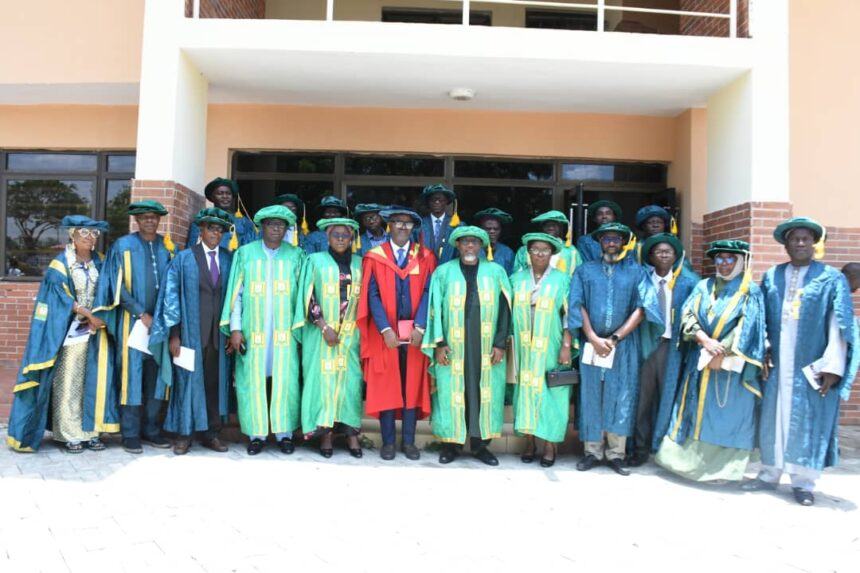
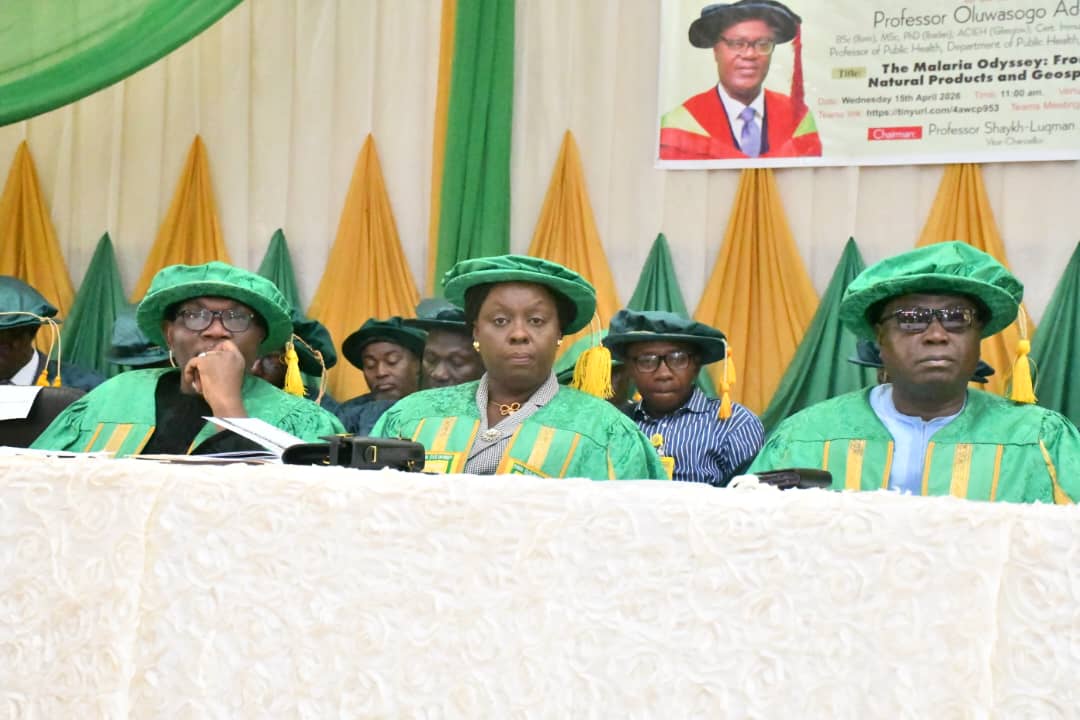
The lecture, titled “The Malaria Odyssey: From Test-tube to Natural Products and Geospatial Modelling,” was delivered by Professor Oluwasogo Adewole Olalubi at the 20th inaugural lecture of the Kwara State University, Malete recently

Professor Olalubi stressed that Nigeria must move beyond fragmented interventions and adopt more coordinated, evidence-based approaches. He particularly urged the National Malaria Elimination Programme under the Federal Ministry of Health to prioritise Kwara State for larvicide field trials, noting that local adaptation of Larval Source Management (LSM) could significantly strengthen malaria control outcomes.

Related News
NWTF, PIBCID urge Kogi residents to seek early medical attention 
Kogi trains PHC Directors across 21 LGAs to boost healthcare delivery
Nigerians urged to prioritise oral health as FTHL marks World Oral Health Day
Kogi Assembly hosts AHF, INGRA to eradicate TB in the state 
Ododo inaugurates ultra-modern health facility in Kabba-Bunu

“Integration of long-lasting insecticidal nets (LLINs), indoor residual spraying (IRS) and larval source management offers a far greater control effort than any single method,” he said. “No further research is needed on LSM at this stage—it is ready for implementation and should be adopted as a central pillar for malaria elimination in Nigeria.”

He further emphasised the need for increased investment in research and innovation, including indigenous diagnostic tools, vector control technologies, drug development and vaccine research. According to him, strengthening genomic surveillance of Plasmodium parasites and Anopheles mosquitoes would improve national response capacity.
The don also advocated the adoption of digital and geospatial technologies in disease control, insisting that data must drive decision-making at all levels of intervention.

“No effective data, no disease control,” he warned, calling for wider use of mobile reporting systems, DHIS2 dashboards and geospatial mapping to track malaria trends and guide responses.
On health system strengthening, he recommended improved access to antimalarial drugs and diagnostic tools, integration of intermittent preventive treatment in pregnancy into antenatal care, and strict enforcement of test-before-treatment protocols.

Professor Olalubi also called for greater community participation, suggesting partnerships with traditional and religious leaders and a shift from mass net distribution campaigns to more targeted interventions supported by trained community health workers.
He urged increased domestic financing for malaria programmes and encouraged private sector participation in funding and service delivery, noting that sustainable malaria control cannot rely solely on donor support.

According to him, strategies must also reflect environmental differences between urban and rural settings, with urban areas focusing on drainage management and spraying, while rural communities require vegetation control and community-led outreach.
He further proposed the establishment of a Nigerian Institute of Malaria Studies at KWASU to serve as a multidisciplinary hub for research, training and operational science.

“The future of malaria elimination in Nigeria depends on institutions that can bridge science, policy and community action,” he said. “We must build systems that are locally grounded, technologically driven and sustainably funded.”
Share This Article
Twitter Whatsapp Whatsapp Telegram
Previous Article Operation Whirlwind intercepts 43,750 litres of smuggled fuel across Niger–Kwara routes
Next Article Education minister Alausa inaugurates two model schools in Kogi 
Leave a comment

Leave a Reply Cancel reply

Your email address will not be published. Required fields are marked *

Your Trusted Source for Accurate and Timely Updates!

Our commitment to accuracy, impartiality, and delivering breaking news as it happens has earned us the trust of a vast audience. Stay ahead with real-time updates on the latest events, trends.
FacebookLike
TwitterFollow
InstagramFollow
- Advertisement -
Ad image

Popular Posts

Tinubu tasks youths on nation building at UNILORIN’s 39th Convocation

From Taiye Joseph, Ilorin President Bola Ahmed Tinubu, has reiterated Federal Government’s dedication to improving…

By The Graphic

Fanwo eulogizes Perm Sec, Directors as they bow out of service

By Bilqis Mohammed Kogi State Commissioner for Information and Communication, Hon. Kingsley Fanwo, has extolled…

By The Graphic

Kogi Government hands over sites for construction at PAAU Teaching Hospital Anyigba

The Kogi State Governor, Alhaji Ahmed Usman Ododo, has officially handed over sites for the…

By The Graphic
The Graphic Newspaper
Facebook Twitter Youtube Rss Medium

The Graphic Newspaper is a publication of Kogi State Newspaper Corporation

About US


Top Categories
  • Market Trends
  • Tech Moves
Usefull Links
  • Advertise with us
  • Newsletters
  • Complaint
  • Deal

© Kogi State Newspaper Corporation. All Rights Reserved.

- Advertisement -
Ad imageAd image
Join Us!

Subscribe to our newsletter and never miss our latest news, podcasts etc..

Zero spam, Unsubscribe at any buzzstream.
Welcome Back!

Sign in to your account

Lost your password?