From David Onuoja, Abuja
The Independent National Electoral Commission (INEC), has enjoined the Broadcasting Organization of Nigeria (BON), and National Broadcasting Commission (NBC), to hold unto Electoral truth and integrity, devoid of misinformation.
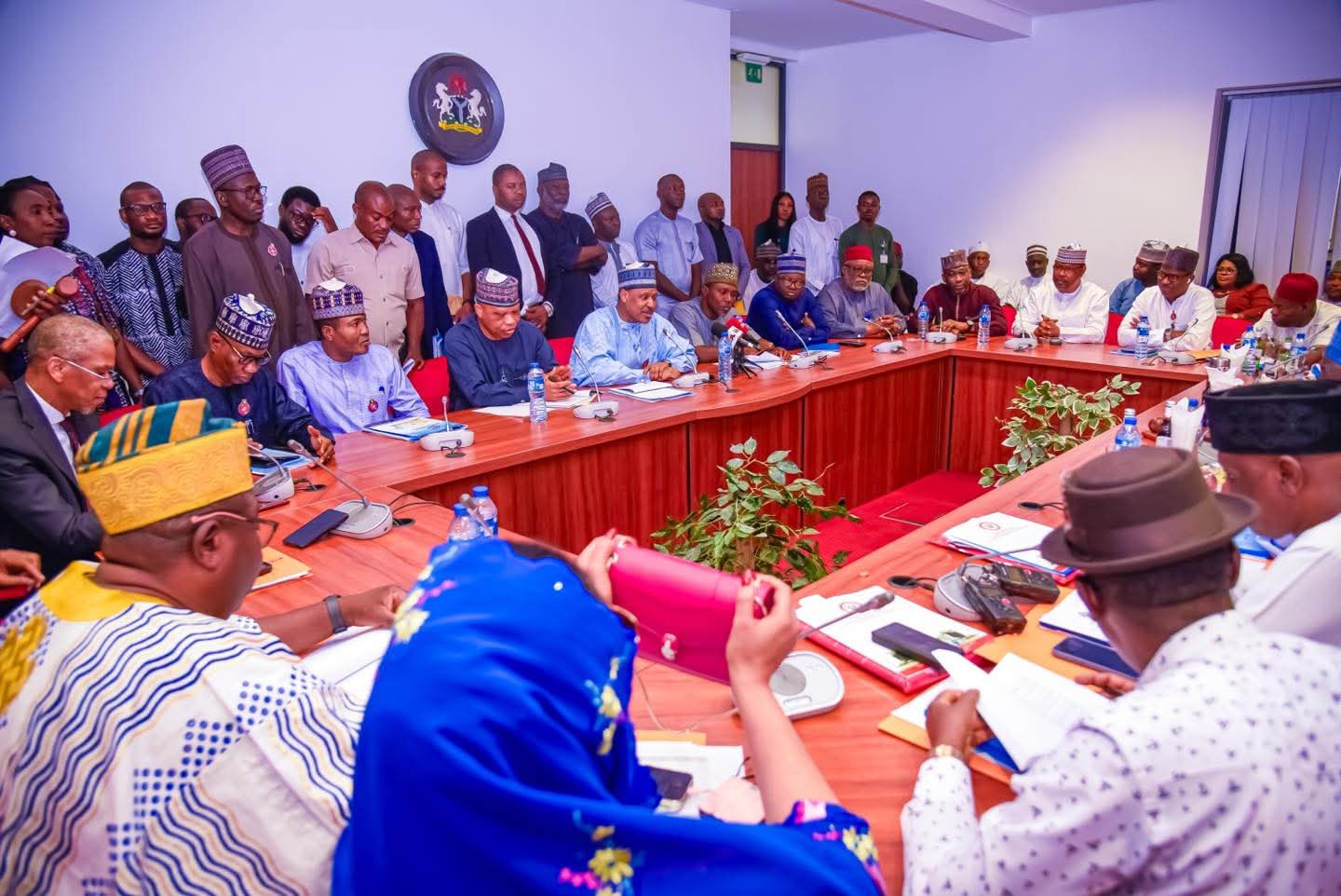
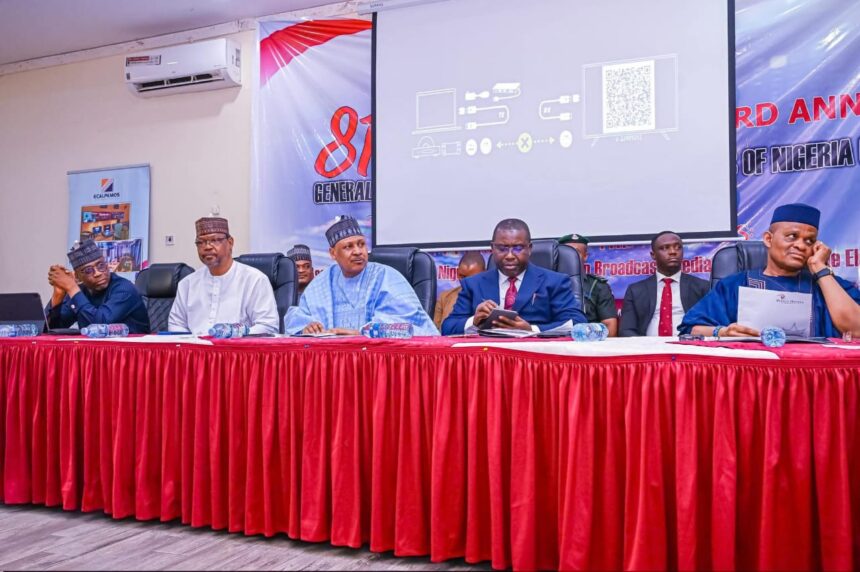
Chairman of INEC, Professor Joash Amupitan, made the call yesterday, during the 81st General Assembly of the Broadcasting Organization of Nigeria (BON), held in Abuja.
“Today, the information space plays a dominant role in our electoral journey to the point that it is often said that elections are won or lost in the information space.
Related News
“Your airwaves have become the primary infrastructure of our democracy. “If they are clear, the nation sees the truth; if they are clouded by misinformation, the sovereign will of the people is threatened”.
“The role of broadcast media in electoral processes has become increasingly central to democratic governance, particularly in developing democracies where access to information is uneven and often mediated through radio and television. In Nigeria, broadcast media remain the most influential platforms for political communication, shaping public opinion, framing electoral narratives, and influencing voter behaviour.
“The increasing significance of media in elections has also heightened concerns about unequal access, misinformation, hate speech, and the potential for media capture by political elites. These challenges have necessitated regulatory interventions aimed at ensuring fairness, accountability, and transparency in political broadcasting.
“However, such interventions must be carefully calibrated to avoid undermining the constitutional guarantee of freedom of expression enshrined in the Constitution of the Federal Republic of Nigeria, 1999 (as amended). The tension between regulation and liberty thus lies at the heart of electoral media governance.
“The enactment of the Electoral Act 2026 represents a significant milestone in Nigeria’s electoral reform trajectory. The Act introduces provisions designed to regulate political advertising, guarantee equitable access to broadcast platforms, and curb the dissemination of harmful or inciting content. While these measures are commendable in their objectives, they also raise critical questions regarding their scope, implementation, and implications for media independence and operational viability”, he said.
On the paper he presented, took a critical look at the 2026 Electoral Act’s provisions on broadcast media coverage of elections in Nigeria, highlighting strengths, weaknesses, and proposing reforms for a balanced regulatory system.
Amupitan revealed that the National Broadcasting Commission (NBC) and Independent National Electoral Commission (INEC), regulate broadcast media, but challenges persist, including incumbency advantage, commercialization, and weak enforcement.
The Key recommendations in the paper presentation includes, defining “equal access” clearly, harmonizing NBC and INEC roles, strengthening regulatory independence and enhancing fact-checking and transparency.
The paper equally stresses the need for a holistic approach, combining legal clarity, institutional strength, and industry responsibility to ensure fair electoral communication and democratic accountability in Nigeria’s 2027 elections.