By Joy Salami
Kogi State Government has reaffirmed its commitment to eliminating Neglected Tropical Diseases (NTDs), just as it has sought for increased awareness, community participation and stronger collaboration from stakeholders to tackle these illnesses.
Speaking at a press briefing to mark the 2026 World NTD Day, the Commissioner for Health, Dr. Adams Abdulazeez, disclosed that recent entomological surveys in Ofu and Dekina Local Government Areas detected black flies carrying the Onchocerca parasite, prompting the Ministry to continue the distribution of Mectizan in all 21 LGAs for an additional two years.
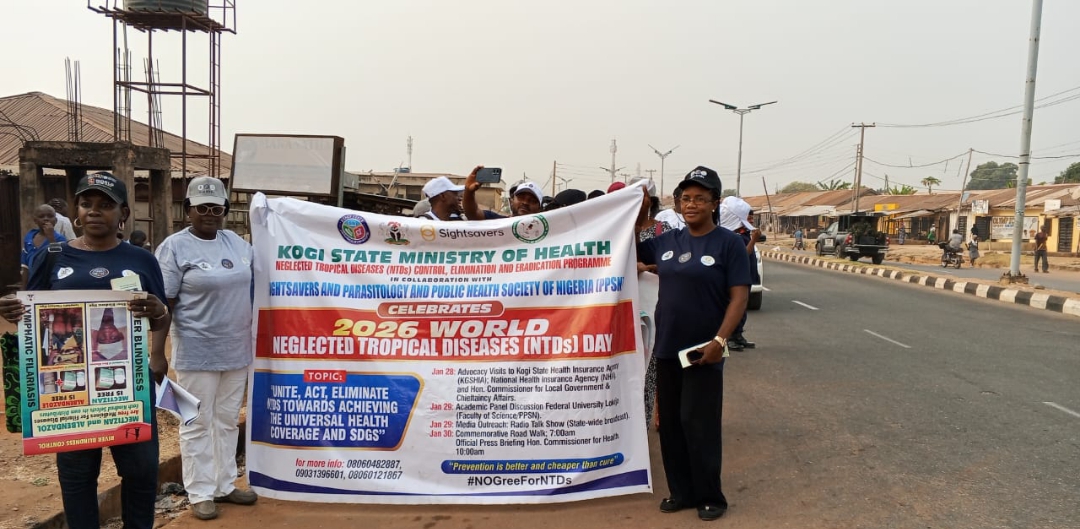
He said the global theme for this year, “Unite, Act, Eliminate NTDs towards Universal Health Coverage and the Sustainable Development Goals,” underscores the need for collective action, strong partnerships, and sustained commitment at all levels.
Related News
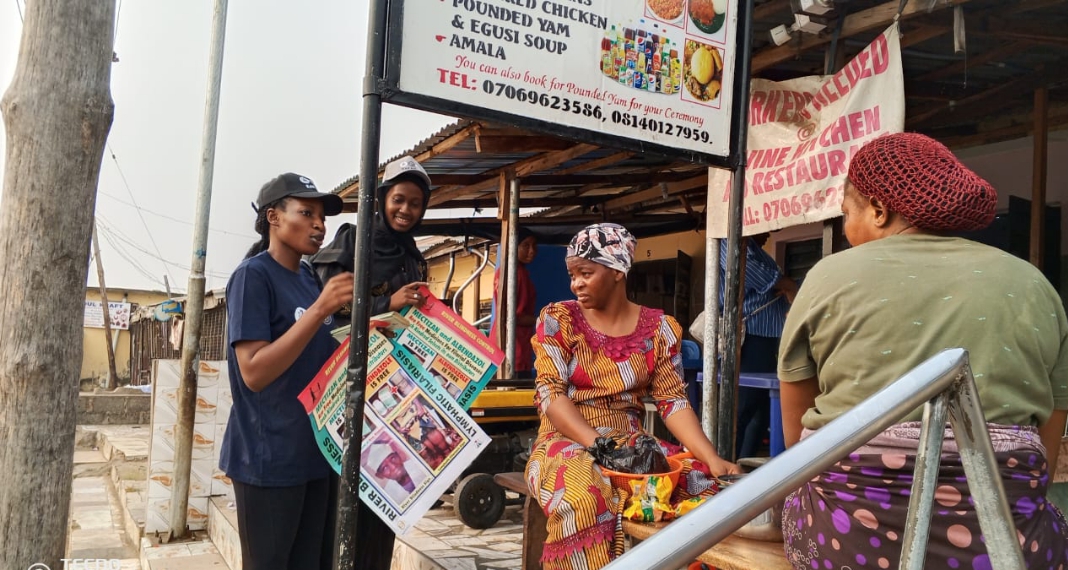
Following the declaration of January 30 as World NTD Day by over 300 global health leaders in Abu Dhabi, Kogi State considered it imperative to align with the global movement by raising awareness and mobilising action against these diseases the commissioner further added.
Dr. Abdulazeez explained that NTDs were a group of about 20 communicable diseases affecting over one billion people worldwide, primarily in poor and underserved communities with limited access to clean water, sanitation, and healthcare. Noting that these diseases often result in disability, stigma, school and work absenteeism, reduced productivity, high healthcare costs and in severe cases, death.
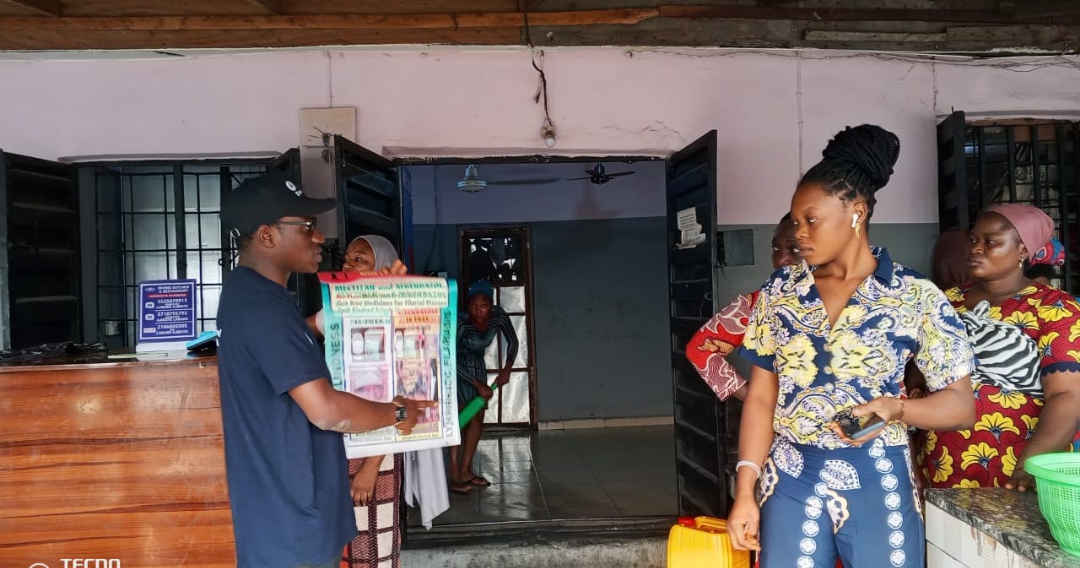
He added that the NTD Programme domiciled within the Department of Public Health, Kogi State Ministry of Health, remains committed to improving the quality of life and socio-economic development of residents by reducing the burden of these diseases to levels where they are no longer of public health importance.
He disclosed that mapping surveys conducted across the 21 local government areas of the state revealed that Kogi State is endemic for Onchocerciasis (River Blindness), Lymphatic Filariasis, Schistosomiasis, and Soil-Transmitted Helminths.
Dr. Abdulazeez disclosed that following these surveys, mass drug administration commenced across the affected LGAs, with Mectizan distributed in all 21 LGAs for Onchocerciasis, a combination of Mectizan and Albendazole administered in 11 LGAs for Lymphatic Filariasis, Praziquantel provided in 16 LGAs for Schistosomiasis, and Mebendazole distributed in 18 LGAs for Soil-Transmitted Helminths.
He further used the forum to express gratitude to donor agencies and development partners, particularly Sightavers, for their annual donation of life-saving medicines to the state. Adding that the recent entomological surveys in selected riverine communities prompted renewed efforts for sustained treatment.
According to him, “In 2025, Kogi State, in collaboration with the Federal Ministry of Health and Social Welfare and Sightavers, successfully conducted the Transmission Assessment Survey for Lymphatic Filariasis, which led to the cessation of mass drug administration for the disease. This is a major public health milestone.”
Despite these successes, he stated that challenges remained including non-release of government counterpart funding at state and LGA levels, lack of dedicated project vehicles, and Community Drug Distributors absconding after training due to poor remuneration.
He appealed to Governor Ahmed Usman Ododo, through the Ministry of Health, to ensure timely release of counterpart funding, support the purchase of Praziquantel for adult treatment of Schistosomiasis, provide psychosocial support for persons affected by lymphoedema, and facilitate the donation of a Hilux utility vehicle to enhance programme logistics and service delivery.
In addition, he appreciated the World Health Organization, Sightavers, and other partners for their sustained collaboration with the state health sector since 1997 and encouraged residents to participate actively in annual free treatment programmes to reduce the burden of NTDs.
Earlier, the State Coordinator for NTDs, Mr. Musa Momohjomoh, stated that World NTD Day is celebrated globally to sensitise people about diseases that often remain unnoticed for years before manifesting severe complications such as blindness, skin diseases, and mobility challenges.
He said prevention through hygiene, sanitation, and participation in free treatment programmes was key, and urged residents to enrol in health insurance schemes, describing health as “greater than riches.”
On his part, the Director of Public Health, Dr. Francis Akpa, said the commemoration was aimed at highlighting the progress made so far as well as challenges such as the need for increased government funding, mobility support, and sustained mass drug administration in affected LGAs.
He added that the day also served to advocate for the integration of morbidity management services, including hydrocele surgeries and lymphoedema care, into routine health services.
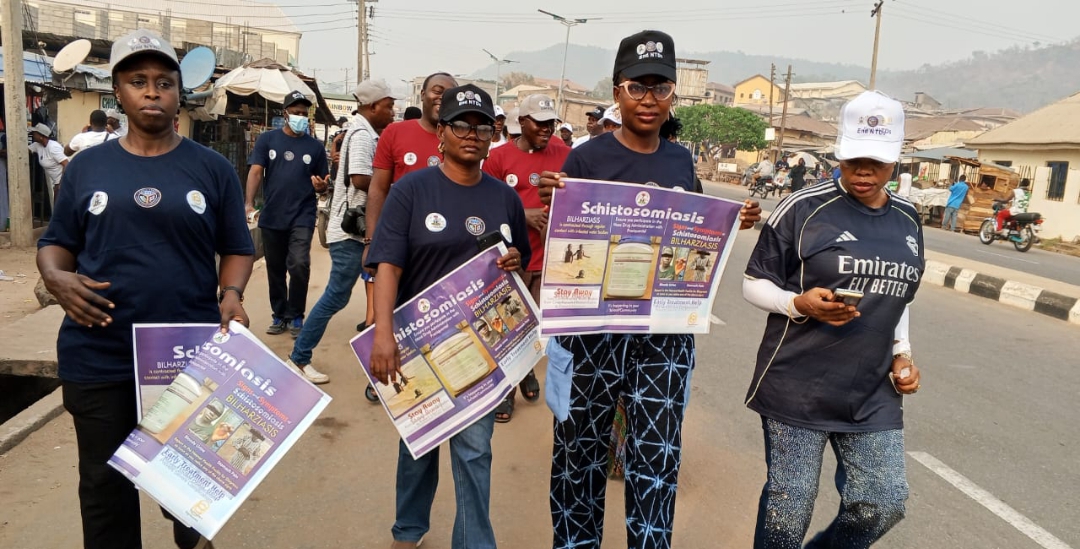
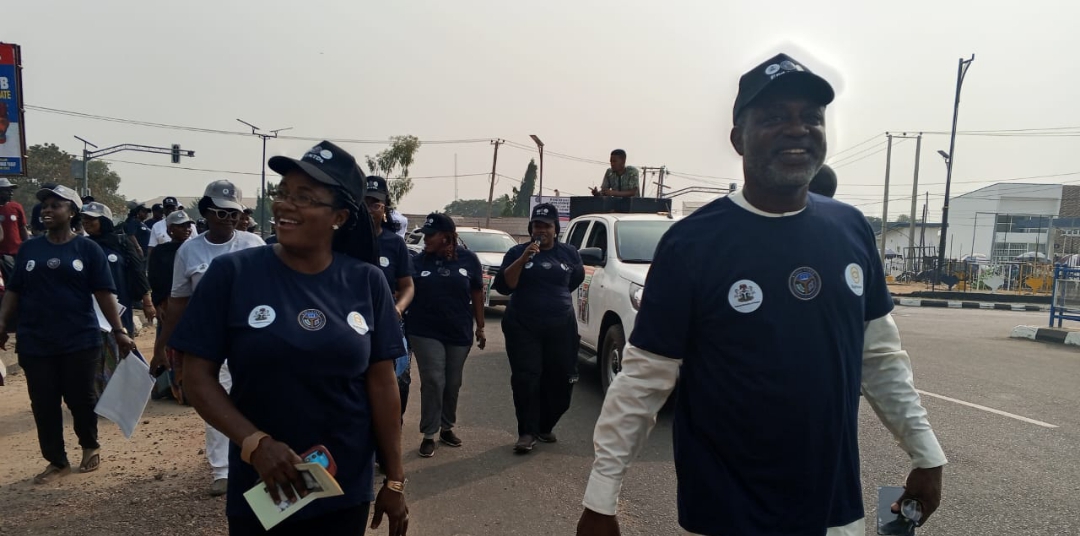
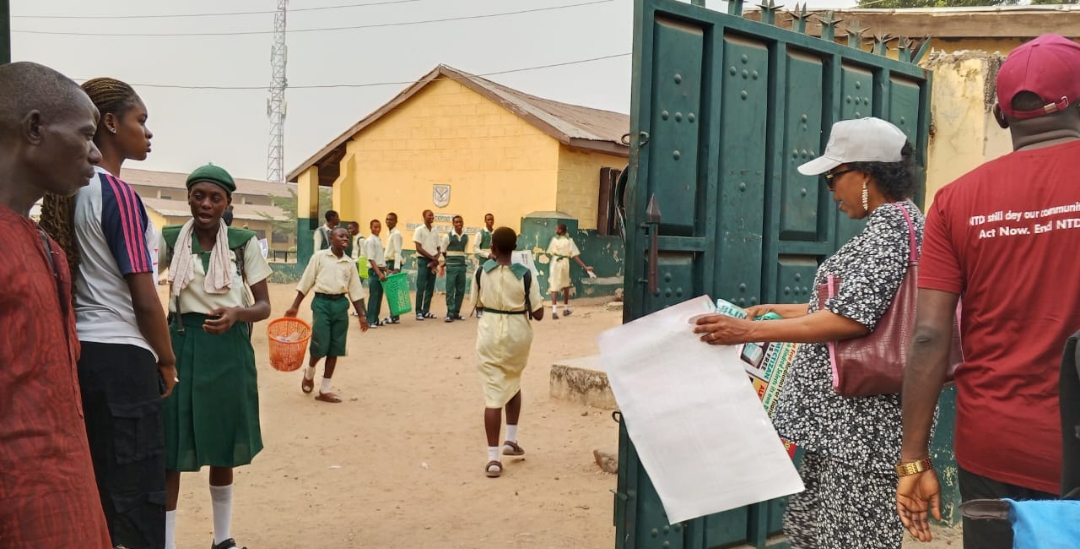
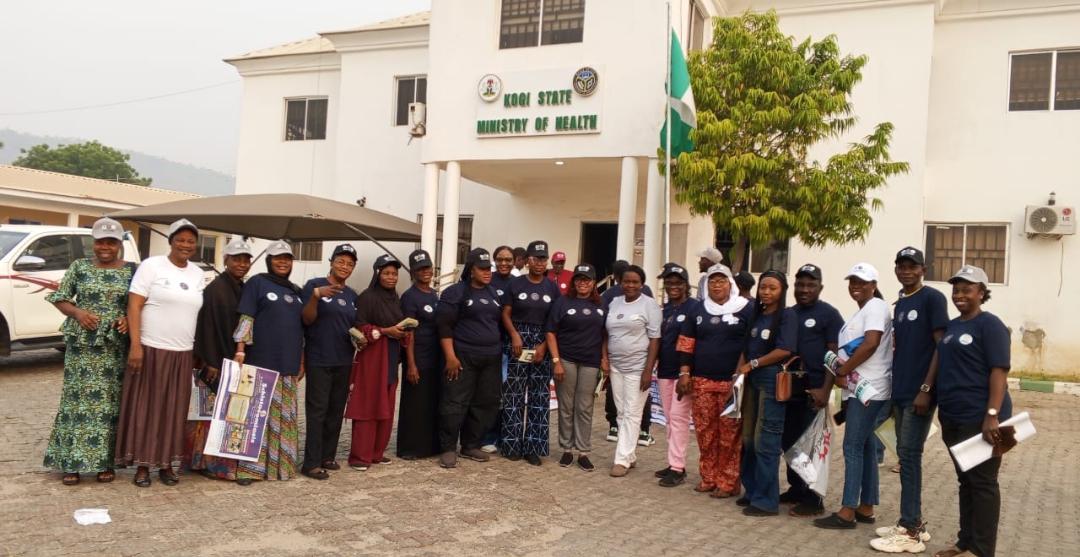
As part of activities to mark the day, a road walk was organised around Lokoja to sensitise residents about the dangers of NTDs and the importance of participating in free treatment programmes.