From Taiye Joseph Ilorin
The Federal Government has stepped up plans to boost local production of building materials as part of efforts to reduce the rising cost of housing and strengthen Nigeria’s industrial base.
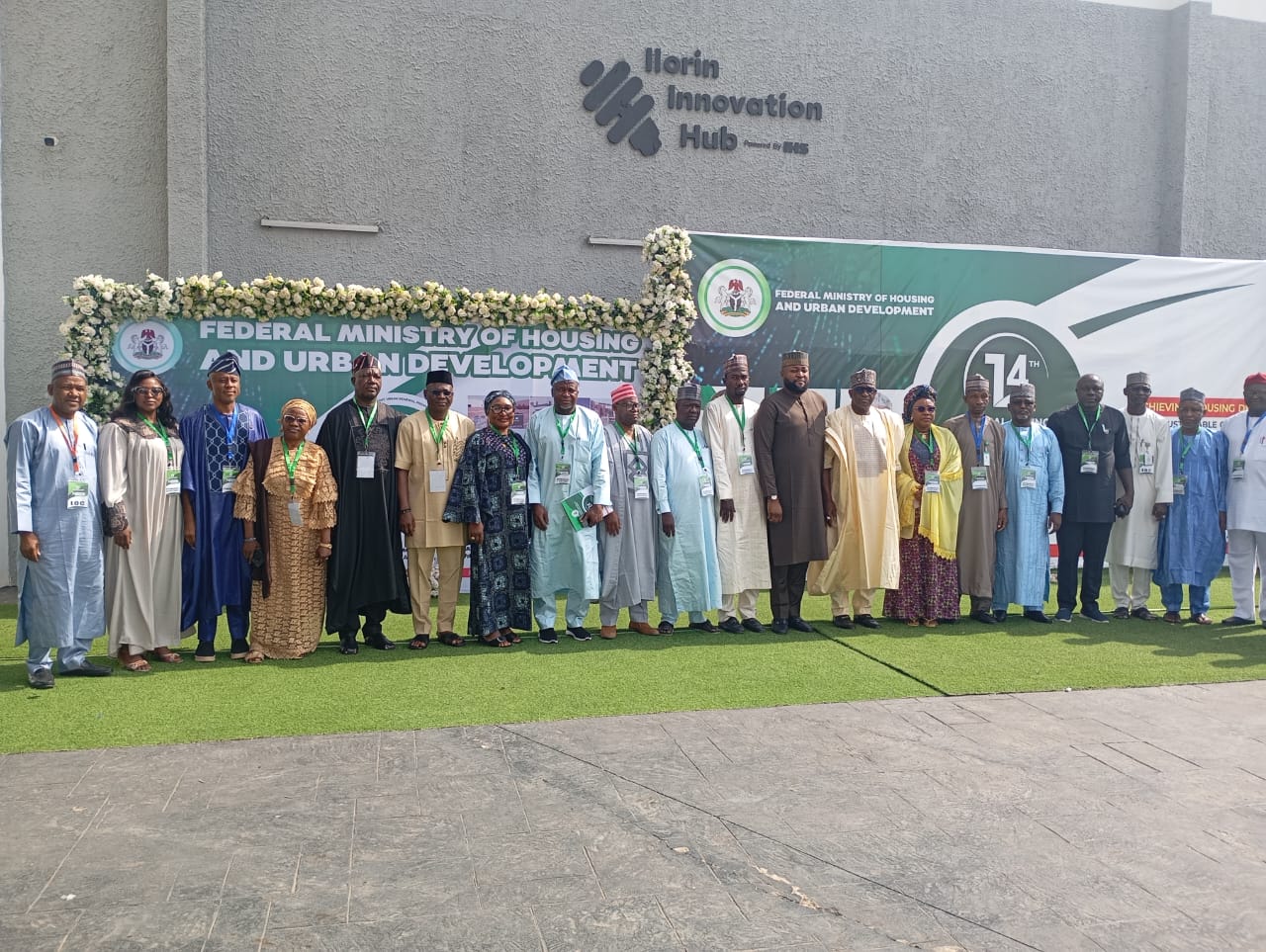
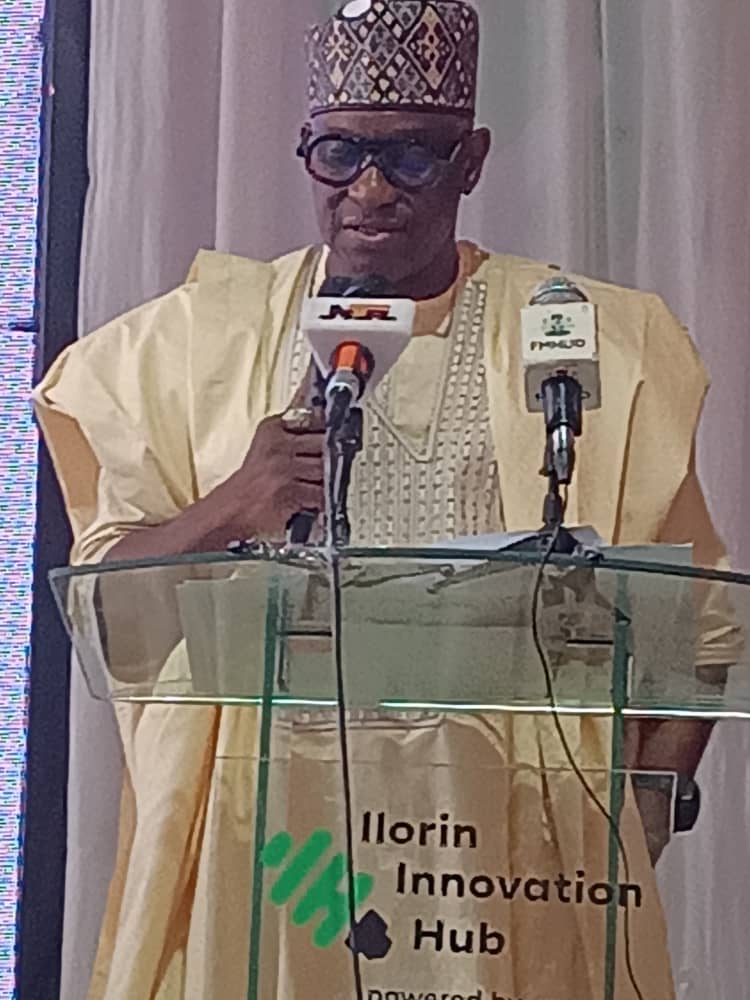
The Permanent Secretary of the Federal Ministry of Housing and Urban Development, Dr Shuaib Belgore, disclosed this at the 14th National Council on Lands, Housing and Urban Development meeting holding in Ilorin, Kwara State.
Belgore said the proposed local manufacturing hubs would help lower construction costs, speed up project delivery and create more jobs across the country.
Related News

According to him, the initiative aligns with the council’s theme, which focuses on achieving sustainable housing delivery through effective land management, urban renewal, promotion of local building materials and strong Public–Private Partnerships.
He explained that land management remains central to housing development, noting that land only becomes economically valuable when it is properly documented and secured.
“Land, which remains the principal resource in the sector, only becomes a true asset when it is properly titled, registered, digitised and verifiable. Secure land documentation enhances access to finance, stimulates investment and unlocks wealth creation,” Belgore said.
The permanent secretary also stressed the importance of urban renewal in improving living conditions and maximising land use, while describing Public–Private Partnerships as essential due to increasing pressure on public funds.
“With growing demands on public resources, Public–Private Partnerships have become indispensable in complementing government efforts to scale up housing and infrastructure delivery,” he added.
Belgore noted that housing goes beyond the provision of shelter, describing it as a key driver of economic stability and social well-being.
“Housing encompasses access to safe, secure, habitable and affordable homes and remains a critical driver of a productive and stable society,” he said, adding that sound physical planning, efficient land allocation and effective policy implementation are crucial to sustainable housing development.
He further stated that the real estate and construction sectors contribute significantly to economic growth through job creation, investment mobilisation and improved productivity, while also impacting public health and environmental sustainability.
Belgore said the ministry was working closely with stakeholders in both the public and private sectors to harmonise policies and institutional frameworks in the housing sector.
He identified major challenges worsening Nigeria’s housing deficit to include limited access to land, inadequate mortgage financing, high cost of building materials, weak land documentation systems and shortages of skilled artisans.
Also speaking at the event, the Kwara State Commissioner for Housing and Urban Development, Dr Segun Ogunshola, said the state government was taking steps to tackle land and housing shortages despite persistent challenges.
Ogunshola disclosed that the ongoing 20,000-unit Kwara Smart City project, was laying the groundwork for a modern mega city, adding that its master plan had been reviewed to enhance livability.
The National Council on Lands, Housing and Urban Development serves as a platform for aligning federal and state policies, bringing together policymakers, professionals and experts to drive reforms and promote sustainable urban development in Nigeria.