From Joseph Afahnu, Yola
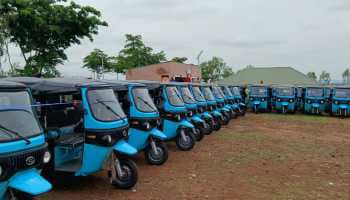
P-GAT Industries Limited, says plans have been concluded to expand its ATRaS Mobility Ecosystem in Adamawa State, targeting 2,000 fuel powered tricycle riders and the recruitment of about 500 agents in the next phase of the ongoing programme.
According to the company, the initiative is aimed at addressing the rising transportation costs by reducing the operational expenses of tricycle operators, while enhancing affordability and efficiency for commuters.
With ATRaS, no fewer than 2,000 Rider Relief and Welfare Support Programme, participating riders will benefit from up to 50 per cent fuel subsidy, as well as health and medical support, repair and maintenance assistance, welfare packages, and access to education and career development opportunities.
Stressing that, P-GAT intervention is designed to ease a major financial burden on operators, improve their income, and create conditions that could lead to reduced transport fares.
Related News

The Company’s rollout will commence from Numan, Yola and Mubi as part of the identified phase of implementation.
Also the company is recruiting 500 ATRaS agents to support rider and customer registration, onboarding, product distribution, and community mobilisation across the three located areas.
According to the company, the agents will serve as a vital link between riders, commuters and the broader ATRaS Mobility Ecosystem as operations scale up.
Briefing that, P-GAT tricycle operators do not need to own electric vehicles to participate, as existing fuel powered tricycles will serve as entry points into the system.
More so, mobility assets within the ecosystem will gradually transition from fuel powered to electric models, enabling operators to benefit immediately while preparing for a cleaner and more sustainable transport system.
The company emphasised that reducing transportation costs requires addressing underlying operational factors such as fuel and maintenance expenses, rather than simply lowering fares.
P-GAT accordingly stated that, the programme is designed to support operators, enhance commuter productivity, and build a more structured and sustainable transportation system.
The company noted Adamawa as a strategic starting point for the next phase of ATRaS implementation, with plans to expand the model across the Northeast and other parts of Nigeria.
Revealed also that, it’s intentions is to extend the ATRaS Mobility Ecosystem to key African markets, while include Kenya and South Africa, as part of efforts to develop a scalable African mobility solution and accelerate the transition to electric transportation in the northeast.