By Abdulmumin Abubakar
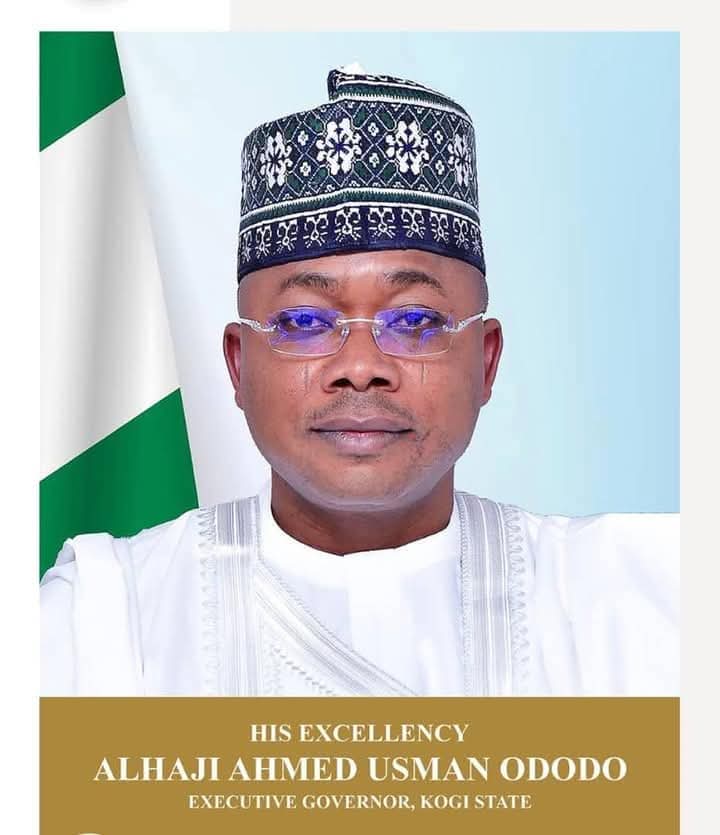
As Nigeria’s political parties begin to position for the next electoral cycle, Governor Ahmed Usman Ododo’s renewed effort to reconcile aggrieved members of the APC in Kogi State may be one of the most consequential moves of his administration.
Instead of allowing old disagreements, bruised egos and unresolved grievances to deepen divisions, the Governor is pursuing a politics of inclusion. He is bringing estranged party members back to the table and urging them to place the collective interest of the APC and the development of Kogi above personal differences.
The impact is already visible. Recent realignments and expressions of support, including the endorsement of Ododo/Tinubu continuity by former local government chairmen and appointees across all 21 LGAs, show that the process is fostering greater unity within the party.
Disagreements are inevitable in a party as large as the APC. Disputes over primaries, appointments, leadership positions and political opportunities can create factions. The test of leadership is managing those differences without destroying the organisation. For Kogi APC, reconciliation is more than strategy. It is about rebuilding trust.
Related News

Governor Ododo’s initiative gives members who felt excluded, overlooked or dissatisfied a path back into the party structure. By opening channels for dialogue, former opponents can become partners in a common project for the state.
The timing could not be better. With the 2027 elections approaching, internal cohesion will determine whether a governing party retains the advantage of incumbency or loses it to division. Starting early allows grievances to be addressed before they become entangled with tickets, endorsements and succession battles. Waiting until the eve of elections would make healing far harder. Beginning now separates genuine concerns from electoral calculations and gives members room to rebuild relationships.
A united APC also means a more stable environment for governance. When leaders and stakeholders cooperate, government can focus more energy on development and less on managing internal crises.
Reconciliation also strengthens the grassroots. Ward and local government structures are the foundation of any party. When influential leaders feel alienated, their supporters disengage. Bringing them back creates a multiplier effect. It improves communication between government and communities, deepens political participation, and gives more people a sense of ownership in the administration.
Ultimately, this initiative will be judged not by the number of meetings held, but by whether it delivers genuine inclusion. Success will require fairness, patience and listening. Those with grievances must feel heard, while current leaders must feel their contributions are valued.
Governor Ododo is laying the groundwork for a political culture where disagreements do not automatically become permanent divisions. That would be an important legacy.
I wish His Excellency and reconciliation committee headed by Capt. Idris Wada a successful exercise.
*Abdulmumin Abubakar is a
Former Special Adviser, Media & Publicity
Okene LGA