… says Nigeria’s Democracy must deliver real governance
From Taiye Joseph, Ilorin
The Director-General of the Michael Imoudu National Institute for Labour Studies, Comrade Issa Aremu, has called on global leaders to return to diplomacy and reconciliation as conflicts intensify across the Middle East and parts of Europe, warning that violence and power struggles will not guarantee lasting peace or development.
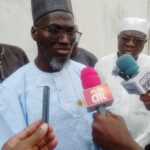
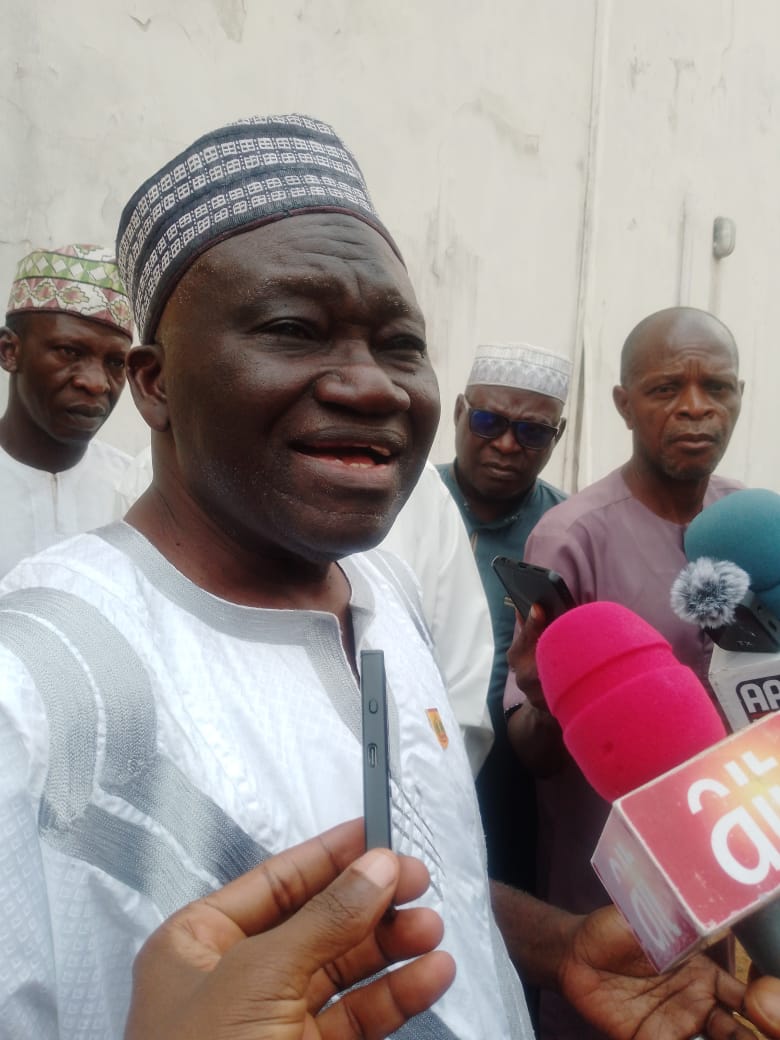
Aremu spoke with journalists on the sidelines of the institute’s 5th Ramadan Lecture organised by the MINILS Muslim Community in Ilorin.
Reflecting on the escalating crises in the Middle East, Aremu said recent events have exposed the dangers of abandoning dialogue for aggression.
Related News
“What is going on in the Middle East has shown that dialogue, negotiation and compromise remain the best options for any nation and for the world as a whole,” he said. “You cannot replace one oppression with another and expect peace to endure.”
He stressed that conflicts rooted in history, religion and territorial claims should not be reduced to warfare, noting that many of the warring parties share common ancestral and religious ties.
“There is no future without forgiveness and reconciliation. Leaders of the world must return to responsible leadership. We have leaders, but what we urgently need now is leadership,” Aremu stated.
The labour leader argued that Africa’s approach to conflict resolution, which often prioritises engagement and mediation, offers useful lessons to the global community.
According to him, the United Nations must also be repositioned to effectively fulfil its original mandate of preventing another global catastrophe.
“The United Nations was created after the Second World War to prevent this kind of madness. We must reinvent it. The world must move away from survival of the fittest to justice and fairness,” he said.
Turning to domestic issues, Aremu described Nigeria’s recent elections in parts of the country as proof that electoral reforms are yielding results. He commended the improvements introduced through the new Electoral Act, noting that technology has strengthened the credibility of the process.
“It is no longer theoretical that we can conduct elections with improved transparency. The process is a work in progress, but it is working,” he said. “We must continue to improve it and also make provisions for alternatives in case technology fails.”
He, however, emphasised that elections should not be seen as an end in themselves.
“Election is a means; good governance is the end. Beyond electing candidates, we need programmes and policy debates that address electricity supply, insecurity, education and healthcare,” Aremu said.
The DG, who acknowledged his political bias, described the All Progressives Congress as a leading political platform on the continent, adding that internal party congresses and open political engagement indicate that democracy is deepening in Nigeria.
He called for what he termed “quality control” in Nigeria’s democracy, urging political actors to shift focus from numbers to substance.
“We must move from quantity to quality in our politics. Let there be real discussions about development, youth employability, digital education and skills acquisition. Nigeria is underperforming and can do much better,” he said.
Aremu also pointed to improving economic indicators, including rising external reserves and relative currency stability, but cautioned that such gains remain vulnerable to global shocks, especially fluctuations in oil prices.
“Without peace and security, both locally and globally, no development is sustainable. That is why we must all work for peace,” he concluded.