From David Onuoja, Abuja
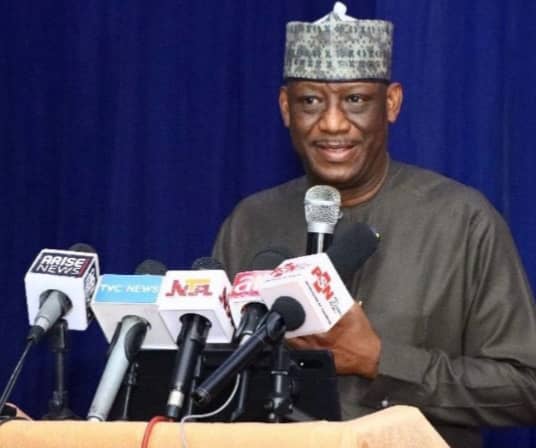
The Managing Director of Nigerian Independent System Operator (NISO), Engineer Abdu Mohammed, has called on Policy makers and Regulator of Nigerian Electricity or Power Sector to always consider and ensure equilibrity in tarrif policy in the Country.
He stated this while speaking as a guess speaker during the fifth edition of the Power Correspondents Association of Nigeria (PCAN), Annual Conference held in Abuja.
Engr Mohammed, emphasised on the modalities of tarrif in Nigeria saying, considering tarrif hike without considering the consumers, will create energy poverty that may lead to theft among other things.
NISO boss therefore, solicited that gradual metamorphism will be the only way out. Adding that “The real question, therefore, is not whether we should have cost-reflective tariffs, but how to achieve them in a way that preserves affordability and protects the most vulnerable among us.
Related News
“Millions of households in Nigeria still lack access to reliable electricity. For many, connection to the grid does not guarantee supply, and for others, the cost of energy remains beyond reach. Energy poverty is not just about a lack of connection; it is about the inability to afford sufficient power for daily life.
“Finding that balance requires thoughtful, multidimensional strategies. First, we must embrace targeted subsidy mechanisms that reach the truly vulnerable, rather than blanket subsidies that distort market signals and sustain inefficiency. Properly designed lifeline tariffs and data-driven welfare-linked rebates can provide real protection for low-income consumers while allowing the market to function efficiently.
“Second, we must confront inefficiency head-on. Reducing technical, commercial, and collection losses is one of the fastest ways to relieve pressure on tariffs. Every percentage point of loss recovered translates directly to lower costs for consumers. This requires renewed focus on metering, automation, data accuracy, and operational discipline across all segments of the industry.
“Third, transparency must be non-negotiable. By improving transparency and operational efficiency, we strengthen investor confidence and ensure that tariff adjustments are grounded on verifiable performance data.
“The tariff question is about finding the equilibrium between commercial sustainability and social fairness between ensuring that our operators remain viable and ensuring that no Nigerian is pushed further into energy poverty.
“Despite several tariff reviews guided by the Multi-Year Tariff Order, the sector continues to face persistent liquidity shortfalls, under-recovery by the Distribution Companies and inadequate investment in infrastructure, and weak supply reliability that often undermines consumers’ willingness to pay.
“Cost-reflective tariffs and energy affordability are not mutually exclusive. With intelligent policy design, operational efficiency, and targeted social protection, they can coexist creating a sector that is financially sound and socially just.
“At NISO, we reaffirm our commitment to advancing transparency, reliability, and efficiency in the Nigerian electricity market. We remain steadfast in promoting a system that serves all stakeholders fairly investors, operators, regulators, and consumers alike.
Together, let us continue to build a power sector that powers not just homes and industries, but also the hopes, dignity, and prosperity of our nation.
“We must also invest in communication in engaging stakeholders consistently and honestly so that tariff adjustments are understood as necessary reforms for sector stability, not as punitive measures.
“Ultimately, our collective goal is not simply to raise electricity prices, but to build a sector that works a sector that can finance its own growth, sustain investor confidence, deliver reliable supply, and ensure that no Nigerian is left in the dark because of inability to pay.
“As the new Electricity Act empowers states to establish subnational electricity markets, we must embrace embedded and decentralized energy solutions. Encouraging micro-grids, off-grid systems, and embedded generation can reduce transmission losses, improve reliability, and lower the average cost of supply for consumers”, he said.
Engr Bello Mohammed concluded by saying that “transitioning to a fully cost-reflective tariff should not be abrupt. It must be gradual, deliberate, and linked to visible service improvement. Consumers are more willing to pay when they experience reliability and fairness. Service-based tariffs, coupled with transparent communication and performance-linked adjustments, will foster this trust”, he stressed.