From Taiye Joseph Ilorin
The descendants of the Magaji Aliagan family in Ilorin, have faulted claims made by Professor Abubakar Ali-Agan, in a recent article on the history of the Aliagan dynasty and the lineage of the new Sarkin Malamai of Ilorin, Shaykh Imam Ya’kub Ali-Agan.
In a rejoinder signed by Professor Taiye Aliagan, Alhaji Danialu Aliagan, Mallam Uthman Kawu, Imam Muhammad Aliagan, and Professor Isiaka Aliagan, the family said while they commend Professor Abubakar for documenting the biography of his father, they found several inaccuracies in his presentation of the family’s history.
According to the statement, the claim that the Aliagan dynasty was founded by “two jolly friends” is “historically incorrect and misleading,” as it ignores established facts about the origin and evolution of the family.
Related News

The rejoinder explained that the dynasty traces its root to Mallam Aliyu, a warrior-scholar from old Oyo, who migrated to Ilorin before the fall of the Oyo Empire and founded the Aliagan Quarters.
The family stated that contrary to the professor’s claim of a division between a “political arm” and a “spiritual arm,” the Aliagan dynasty has always been one unified family, with the Magaji serving as both the political and traditional head.
“There has been only one Magaji Aliagan family and it has no parallel,” the rejoinder read. “The attempt to separate the family into two parallel lineages is a distortion of Ilorin’s traditional history and family structure.”
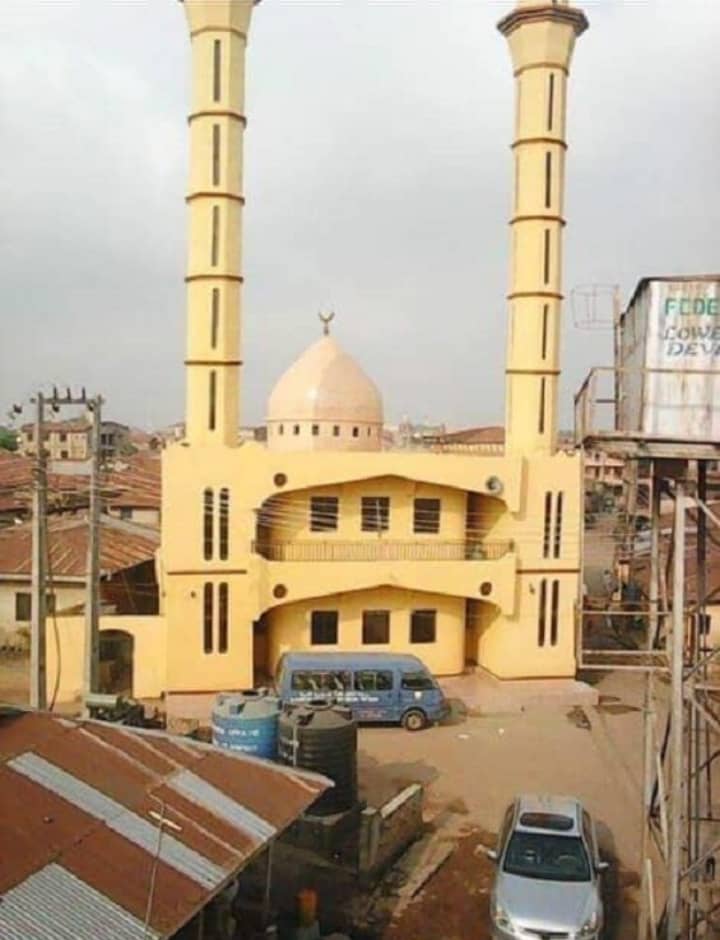
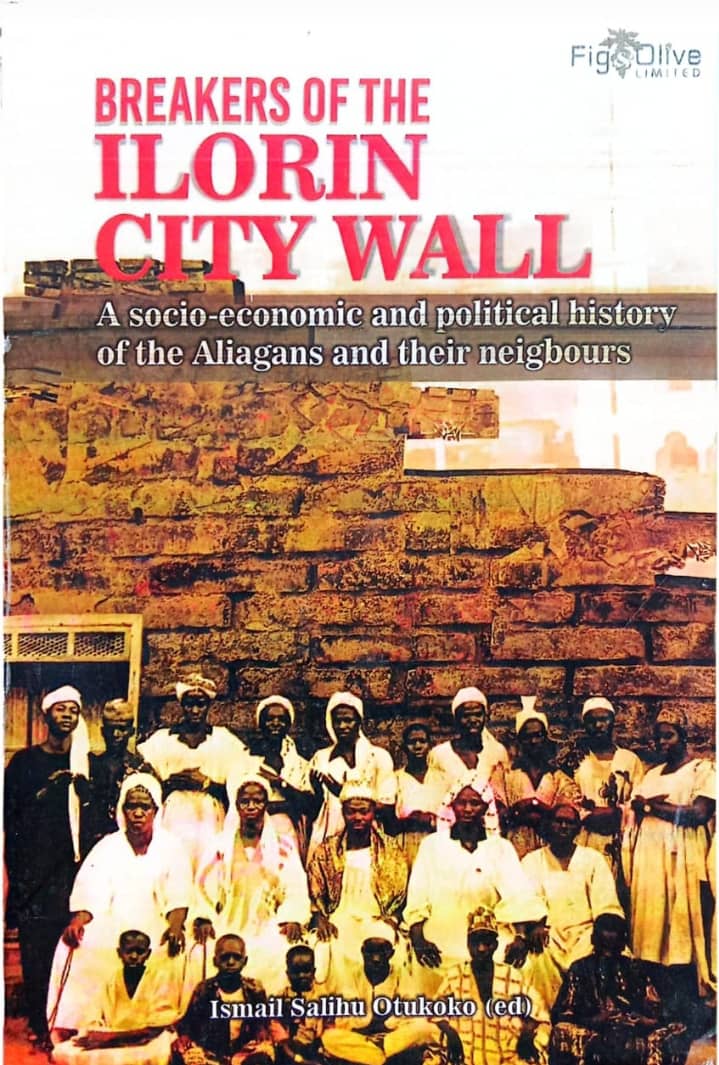
Citing historical records, including Breakers of the City Wall: A Socio-Economic and Political History of the Aliagans and Their Neighbours, the descendants clarified that the Magaji Aliagan lineage traces directly to Mallam Aliyu, who not only established the family compound but also built the first Aliagan Mosque in his old age.
They explained that the mosque later grew under the supervision of Magaji Aliagan Danialu, who invited 13 families to join prayers and appointed his brother, Mallam Uthman, as the first Imam of the expanded mosque.
The rejoinder also corrected the assertion that the family name “Ali-Agan” originated from a certain descendant who was mocked for childlessness. It noted that while one version of oral tradition supports the “barren” narrative, other credible accounts link the name to Aliyu’s warrior identity—Ajagun bi Agan—or a corruption of “Ali Ga’ani,” reflecting the dynasty’s likely Nupe or Tapa connection.
On the claim that the progenitor of the family was “Magaji Abdulganiyu,” who was a friend of “Imam Abdullahi,” the rejoinder dismissed this as fictitious. “The progenitor of the Aliagan family was Mallam Aliyu, not Abdulganiyu or any friend of Imam Abdullahi,” it stated, adding that available oral and written evidence does not record any Imam Abdullahi as the founder of the Aliagan Mosque.
The descendants further corrected the notion that the family compound was originally called Ode Nla. They explained that Ile Aliagan and Ode Aliagan have always been the family’s names, while Ode Nla was only a descriptive term referring to the size and influence of the compound.
“Professor Abubakar’s narrative may have been well-intentioned, but it contains factual errors that risk distorting Ilorin’s cultural and historical heritage,” the family stated. “Our objective is not to discredit his effort but to preserve the truth for posterity.”
They urged researchers and the public to consult documented sources such as Breakers of the Ilorin City Wall for accurate historical accounts of the family and the broader Ilorin Emirate.
“In restoring the facts, we honour our ancestors and ensure that the legacy of the Aliagan dynasty—rooted in scholarship, courage, and loyalty to the Ilorin Emirate—remains intact for future generations,” the statement concluded.