
From Taiye Joseph, Ilorin
Airway management specialists, have raised concerns over the growing risk of preventable deaths in Nigerian hospitals, attributing airway-related emergencies to inadequate medical equipment, shortage of trained personnel, poor funding and limited access to professional training.
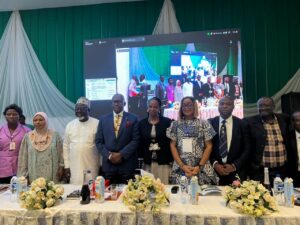
The experts made the observations during the 4th Annual Scientific Conference of the Society of Specialists in Airway Management (SSAM), held at G Pinnacle hotel Ilorin, Kwara State, with the theme, “Towards Improving Safety in Airway Management: A Multidisciplinary Approach.”
They warned that effective airway management remains central to saving lives during emergencies, surgeries and critical care, stressing that the inability to promptly secure a patient’s airway often results in avoidable complications and fatalities.
Related News
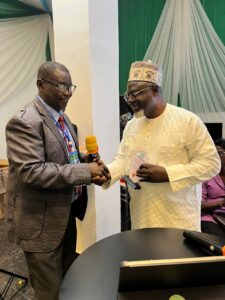
Speaking at the conference, Consultant Anaesthesiologist and Head of the Department of Anaesthesia and Critical Care at Kibungo Teaching Hospital, Rwanda, Dr. Aderonke Adesiyan, said many airway-related disasters are caused more by systemic weaknesses than lack of clinical expertise.
According to her, nearly 40 per cent of major airway complications are linked to human-factor issues such as poor communication, fatigue, fixation errors, hierarchical barriers and reduced situational awareness.
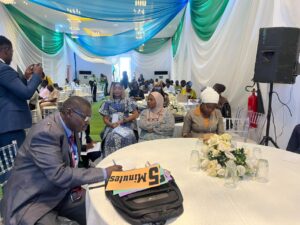
“Many airway disasters stem not from inadequate technical competence but from systemic failures, poor communication, inadequate preparation and weak leadership structures,” she said.
Adesiyan called for increased investment in healthcare, stronger leadership and regular capacity-building programmes to improve patient safety across health facilities.
Also addressing participants, the National President of the Society of Specialists in Airway Management, Dr. Maryrose Osazuwa, described airway management as a multidisciplinary responsibility requiring collaboration among anaesthetists, surgeons, emergency physicians and other healthcare professionals.
She disclosed that although the association has over 300 airway specialists across Nigeria, the figure remains grossly inadequate to meet the country’s healthcare needs.
Osazuwa lamented the persistent shortage of essential airway equipment in many hospitals, revealing that some facilities are forced to reprocess and reuse disposable medical devices because of resource limitations.
“We urgently need governments at all levels to invest in modern airway equipment and make continuous professional training compulsory for healthcare workers,” she said.
She noted that improved funding would not only enhance patient outcomes but also reduce avoidable complications associated with emergency and surgical care.
A Consultant Anaesthesiologist and member of the European Society of Anaesthesiologists, Dr. Ellen O’Sullivan, advocated stronger multidisciplinary teamwork, simulation-based learning, adoption of emerging airway technologies and adherence to evidence-based clinical protocols to improve patient care.
Chairman of the Local Organising Committee and Consultant Anaesthesiologist at the University of Ilorin Teaching Hospital, Dr. Kazeem Adegboyega, described airway management as a vital component of emergency medicine, trauma care, obstetrics, paediatrics and surgery.
He warned that inadequate expertise continues to contribute significantly to airway-related illness and deaths in Nigerian hospitals.
Similarly, Chairman of the Nigerian Medical Association in Kwara State, Prof. Olusola Afolabi, urged hospitals to involve airway management specialists in the care of patients undergoing high-risk surgical procedures to improve treatment outcomes.
Representing the Kwara State Government, the Permanent Secretary, Ministry of Health, Dr. Taoheed Ayodeji, reaffirmed the government’s commitment to strengthening healthcare delivery through workforce development, capacity building and improved health infrastructure.
He commended SSAM for promoting research, innovation and clinical excellence in airway management.
“Patient safety must remain at the heart of efforts to achieve Universal Health Coverage and improve access to quality healthcare services,” Ayodeji said.
He expressed confidence that recommendations from the conference would enhance professional competence and contribute to safer patient care across Nigeria.
The conference attracted local and international experts who unanimously called for stronger collaboration among healthcare professionals and sustained investment in airway management systems to reduce preventable d eaths and improve patient safety nationwide.