By Joy Salami
Sightsavers has urged journalists to help close the gap between disability-inclusion policies and their implementation, saying Nigeria’s main challenge is not a lack of laws but the failure to put them into practice.
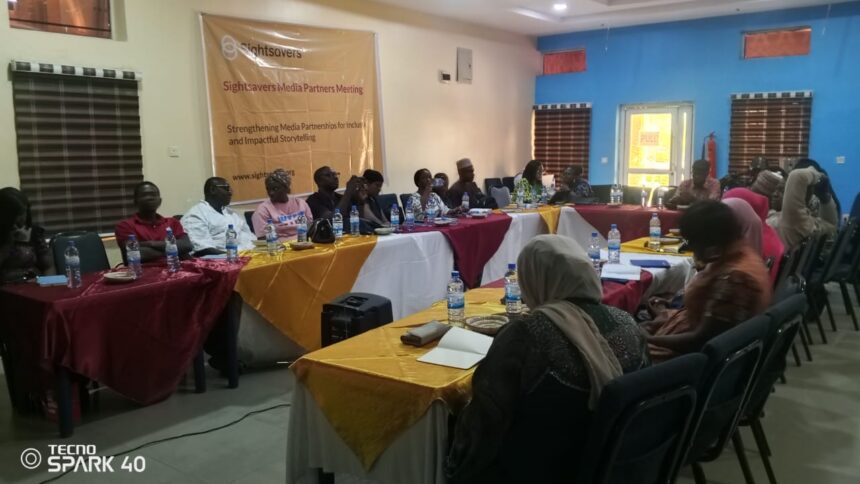
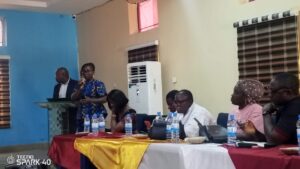
Mr Fabian Tukman, the senior finance officer made the call at the organisation’s Media Partners Meeting in Keffi, Nasarawa State, themed “Strengthening Media Partnerships for Inclusive and Impactful Storytelling.”
The meeting brought together 34 selected journalists from Kogi, Kwara, Benue, Nasarawa and Plateau states and the Federal Capital Territory.
Related News
Tukman said many policies, including the National Policy on Inclusive Education, which was renewed in 2022, remain largely on paper. According to him, few states have adopted the policy or updated their curricula accordingly.
He also pointed to the continued inaccessibility of public buildings, including airports, schools and hospitals, despite the Discrimination Against Persons with Disabilities (Prohibition) Act.
Tukman said public systems were still not designed for people with hearing, visual or intellectual impairments, leaving many dependent on manual support rather than accessible infrastructure.
He called for the dissemination of policies to the state level and the creation of more enabling environments for implementation. He added that the media should raise awareness, monitor progress and use storytelling to show the public the real-world barriers persons with disabilities face.
Tukman said Sightsavers’ vision was a society where no one is blind from avoidable causes and persons with disabilities participate equally.
He disclosed that the organisation provides revolving funds that help persons with disabilities start or expand businesses, while its Inclusion Works initiative links them with employers such as MTN, based on their skills.
He added that a new project, Digital Futures, supported by the Mastercard Foundation, is being rolled out in Kano, Kaduna, Lagos and Abuja. It offers nine months of training, mentorship on job applications and interviews, career and job fairs, and support for entrepreneurship.
On education, he said Sightsavers worked with the National Teachers Institute to develop policy documents and train more than 1,000 teachers in inclusive teaching, so that children with and without disabilities can learn in the same classrooms.
Tukman further disclosed that more than 1,500 health workers had been trained in disability-inclusive family planning, with improvements made to hospital accessibility in some facilities.
Earlier, in her opening remarks, Sightsavers’ Country Advocacy Coordinator, Mrs Esther Bature, who represented the Country Director, Professor Joy Shaiubu, welcomed participants to the two-day meeting and expressed the organisation’s gratitude for the continued partnership with the media.
She conveyed the appreciation of Professor Shaiubu to the journalists for their collaboration, noting that their support had helped to sustain public attention on the organisation’s work.
Bature said journalists played an important role in promoting accountability and in showcasing the outcomes of Sightsavers’ projects to the public.
According to her, the reports produced by media partners had shown that investments in the organisation’s activities were yielding tangible results.