By Abraham Abubakar
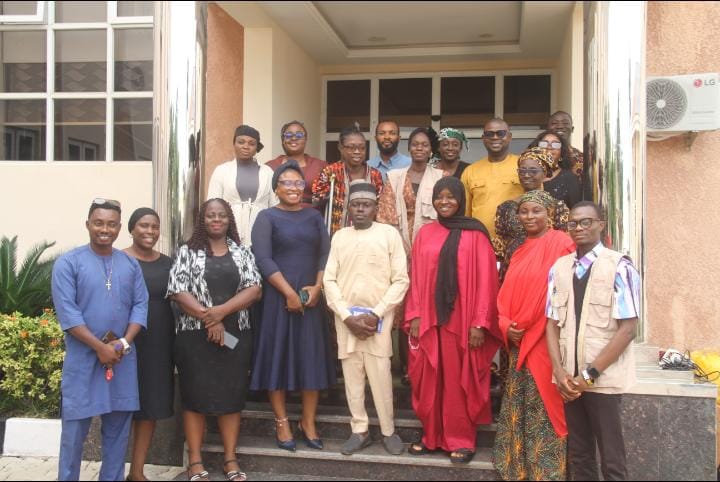
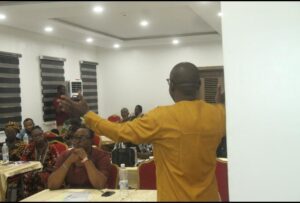
Skills Acquisition Initiative (LETSAI), with support from CBM International, has concluded a two-day technical consultative workshop aimed at supporting the effective implementation of the Disability Law in Kogi State.
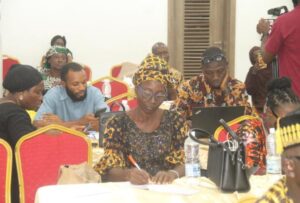
The event focused on community sensitization and capacity building for Organizations of Persons with Disabilities (OPDs) under the SIDLIK project.
Titled : A Technical Consultative Meeting on the Development of Accessible Information, Education and Communication (IEC) Materials for Disability Inclusion, the workshop brought together stakeholders from government institutions, civil society organizations, media, and OPDs. Project activities targeted communities in Dekina, Kabba, Lokoja, Okene, and Okehi.
Related News

The overall objective is to strengthen the capacity of OPDs, government bodies, civil society organizations, and communities through awareness creation, advocacy, and socio-economic empowerment interventions. This supports fuller recognition of the rights of persons with disabilities and their meaningful participation in society.
Communications Consultant and workshop facilitator, Hilary Chukwemeka, explained the focus of the gathering. “This workshop is an IEC Material Development, Design and Development Workshop. IEC stands for Information, Education and Communication. The workshop is designed to generate ideas on how to produce communication materials that will effectively speak to the general public and the people of Kogi State about disability inclusion,” he said.
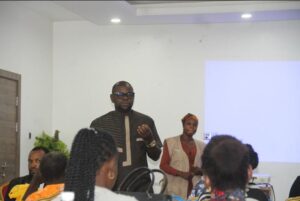
Chukwemeka stressed that disability inclusion recognizes people living with different forms of disabilities as integral members of society.
He noted that persons with disabilities often face discrimination and are treated as less capable. “The purpose of this workshop, therefore, is to develop an effective communication strategy that will educate and inform the public about the law designed to protect persons with disabilities and promote their inclusion in society,” he added.
He highlighted practical needs such as reasonable accommodation, including ramps in public buildings like hospitals, shopping malls, and hotels, and equal access to employment. “Many persons with disabilities possess enormous talents, skills and capabilities. It is the responsibility of society to recognise and develop those capacities,” Chukwemeka stated. Effective IEC materials, he said, can change negative perceptions and promote a society where persons with disabilities are treated with dignity, equality, and respect.
Engagement and Mobilisation Officer for the 16 Days of Activism, Ibrahim Yakubu, outlined the broader project goals. He explained that the initiative addresses the rights and inclusion of persons living with disabilities, seeking to end neglect, exclusion, discrimination, and stigmatization. Equal opportunities in employment and other areas of social and economic life remain central.
“We want these stakeholders to come together and develop effective ways of creating awareness about disability rights and inclusion across the state. The goal is to ensure that persons living with disabilities are recognised, respected and given equal opportunities to participate meaningfully in society,” Yakubu said. He emphasized leveraging the media, CSOs, and relevant government ministries and agencies.
Success Sunday of the Foundation for Peace Advocacy and Development called for stronger action beyond legislation. He noted limited progress in addressing disability issues and stressed that understanding and pursuing rights under the law should prompt government response.
“What we need is action and implementation, not just the existence of laws and institutions on paper,” Sunday stated.
He questioned whether the relevant commission is functioning effectively and urged accountability for those responsible for its management.
Programme Coordinator for LETSAI, Mrs. Iweneta Victoria, highlighted the importance of the workshop and expressed appreciation to LETSAI founder Mariam Aliu for her outstanding support to persons with disabilities.
Participants engaged in question-and-answer sessions and collaborative work to develop key messages and strategies for IEC materials.
The workshop marks a practical step toward translating Kogi State’s Disability Law into everyday reality through clearer public messaging, stronger stakeholder collaboration, and greater inclusion of persons with disabilities in decision-making processes.