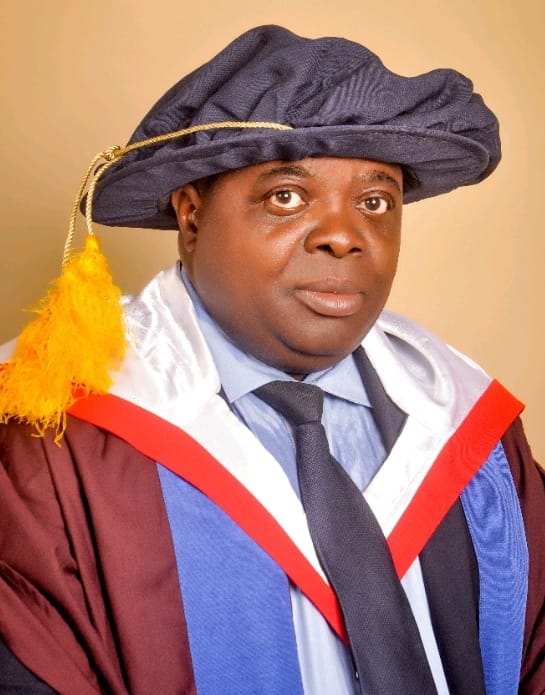
From Taiye Joseph, Ilorin
A Professor of Religious Studies at the University of Ilorin, Akiti Glory Alamu, has urged political leaders, religious organisations and government institutions to draw a clear line between religion and governance, warning that the persistent mixing of both has contributed to Nigeria’s social and political challenges.
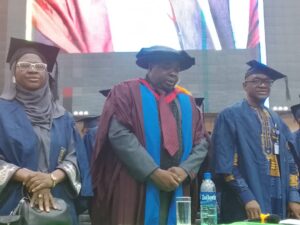
Delivering the University’s 304th Inaugural Lecture titled “The Six Blind Men and the Nigerian Elephant,” Professor Alamu argued that religious beliefs should remain a private matter and should not influence public administration, education or political decision-making.
According to him, “Every religious stakeholder and governmental functionary should exclude religion from public offices, schools, and political decision-making.”
Related News
The scholar also called for compulsory enlightenment and continuous education for religious leaders and public office holders, saying greater knowledge and understanding would provide the moral compass needed to promote national unity and responsible leadership.
Professor Alamu observed that previous efforts at interfaith dialogue had recorded limited success, stressing that genuine engagement among adherents of different faiths remains essential for peaceful coexistence in Nigeria’s plural society.
He therefore urged the Federal Government to strengthen the Nigerian Inter-Religious Council (NIREC), by giving it the constitutional authority and political backing required to effectively carry out its mandate of fostering religious harmony.
Highlighting successful peace-building initiatives, Alamu pointed to the work of Imam Muhammad Ashafa and Pastor James Wuye in Kaduna, describing their transformation from former adversaries into partners for peace as a model that should be replicated across the country.
He also encouraged religious communities to embrace tolerance, mutual respect and cultural diplomacy, noting that faith groups in several countries coexist peacefully despite religious diversity.
On Nigeria’s electoral process, the don cautioned against attributing the outcome of elections to divine intervention, insisting that democracy should be driven by the choices and responsibilities of citizens.
He said, “Both theologians and democrats should excuse God from the Nigerian political process because He does not intrude in politics.”
Addressing the country’s security situation, Professor Alamu said terrorism, banditry, herders’ attacks and kidnappings require coordinated responses involving security agencies, local communities and the deployment of advanced information technology.
He maintained that stronger collaboration between government security institutions and grassroots communities would improve efforts to tackle insecurity and restore peace across the country.