From David Onuoja, Abuja
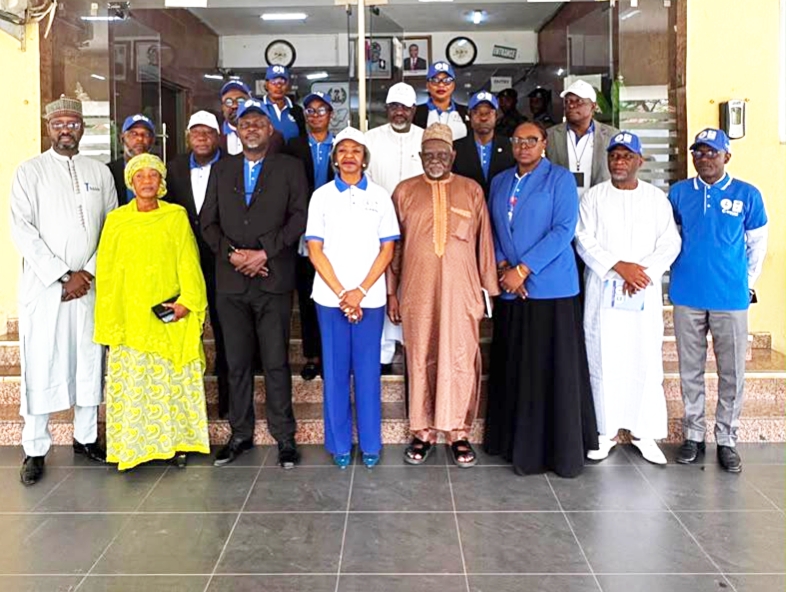
To promote corruption-free elections in Nigeria, the Independent National Electoral Commission (INEC), in partnership with the Independent Corrupt Practices and Other Related Offences Commission (ICPC), has launched a two-day Anti-Corruption Education and Sensitisation Workshop ahead of the 2027 General Election.

According to a statement by the director, INEC voter education and publicity, Mrs. Victoria Eta-Messi, stated that, the training, which was themed “Corruption-Free Election: Integrity Matters (C-FEIM),” was held at the Commission’s headquarters Monday, in Abuja.
Declaring the workshop open, INEC Chairman, Prof. Joash Amupitan, who was represented by National Commissioner, Mrs. May Agbamuche-Mbu, described the timing as critical saying, with the 2027 polls approaching, it was imperative for the Commission to reinforce ethical standards among staff who will manage the electoral process across the country.
Related News

She added that, INEC as the electoral umpire carries the duty to lead national conversations that shape values and strengthen democracy. “Elections remain the foundation of democracy.
“When elections are compromised, public trust is eroded and the nation suffers as a result. So, maintaining integrity at every stage of the process is central to credible outcomes”, she stated.
Mrs. Agbamuche-Mbu commended ICPC for facilitating the workshop, noting that it was designed to build capacity, share best practices, and produce actionable recommendations to guide staff during elections.
She disclosed that ICPC was providing resource persons for the two-day engagement and urged participants to take full advantage of the sessions.
The National Commissioner urged the participants to be free to contribute freely, ask critical questions, and network, while thanking them for prioritising the exercise.
In his remarks, the Chairman of ICPC, Dr. Musa Adamu (SAN), represented by the Director of Legal Services, Mr. Henry Emore, said corruption remains one of the biggest obstacles to development in the 21st century.
This, he noted that, the workshop theme reflects ICPC’s commitment to supporting government programmes aimed at ensuring free, fair, and equitable elections, and that which will be preventing electoral malpractice is key to reducing governance costs.
Mr. Emore explained that when the electoral process lacks integrity, government is forced to spend more on supplementary elections and on maintaining law and order. He added that agencies like ICPC are also stretched by a surge in petitions and litigation, describing elections as defining moments for the nation.
He said the responsibility placed on INEC demands the highest level of accountability, responsibility, and transparency, and that fighting corruption requires collective action.
While commending electoral officers for their courage and dedication, he described them as Nigerians who often put their lives on the line in service to the country. Expressing optimism that the discussions from the workshop will help strengthen the conduct of free, fair, and equitable elections in Nigeria.