By Joy Salami
Women and girls in Nigeria may have to wait more than a lifetime before achieving full equality in areas such as healthcare, education, and employment if urgent action is not taken, the international charity, Sightsavers, has warned.
The organisation noted that the global gender gap remains deeply entrenched, with women and girls continuing to face barriers that limit their access to opportunities and essential services.
According to Sightsavers, citing the World Economic Forum’s Global Gender Gap Report, a girl born today would have to wait about 123 years before gender equality is achieved globally, a timeline that extends beyond the average life expectancy of many women.
Related News
The organisation said the disparity is particularly evident in sectors such as healthcare, education, and employment, where women are still less likely than men to receive adequate medical care, pursue education, or secure stable jobs.
In Nigeria, the situation is further compounded by the limited number of women in specialised medical fields, where cultural, social, and systemic barriers often restrict their entry and professional advancement.
Despite these challenges, Sightsavers says some women are beginning to break the barriers and redefine representation in the healthcare sector.
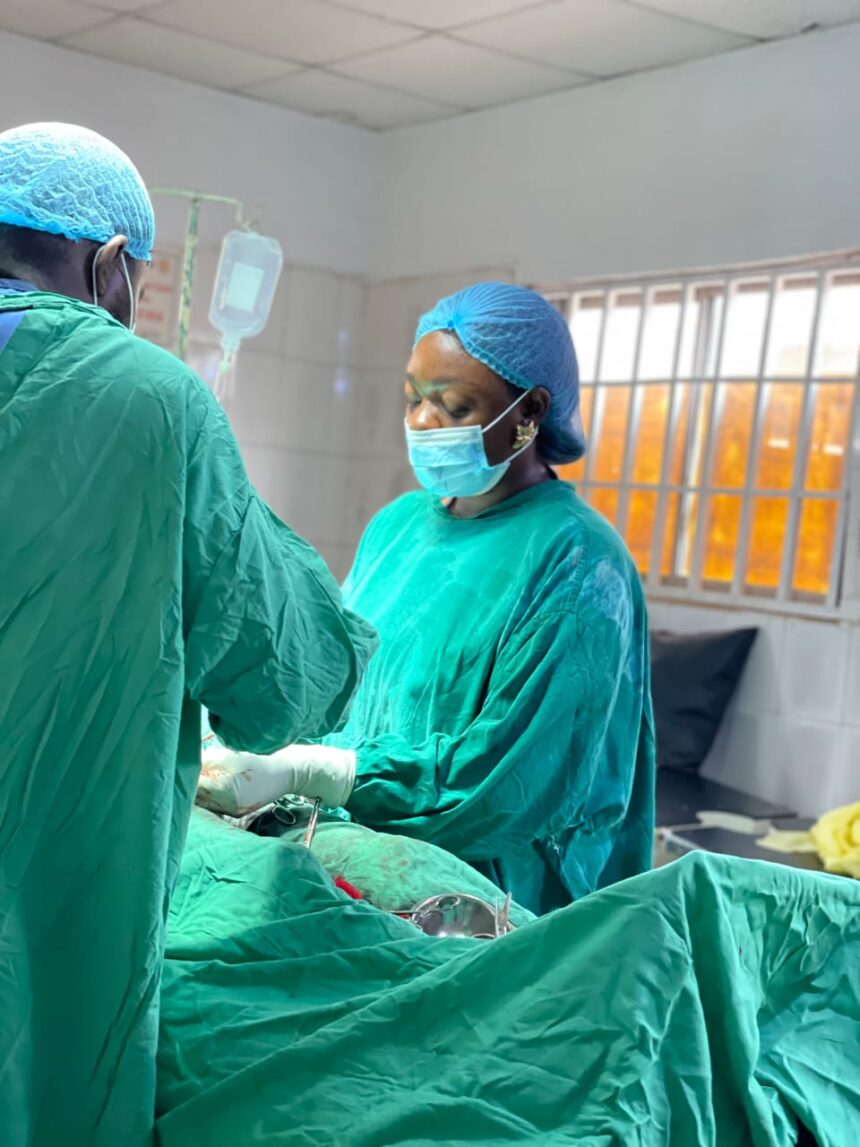
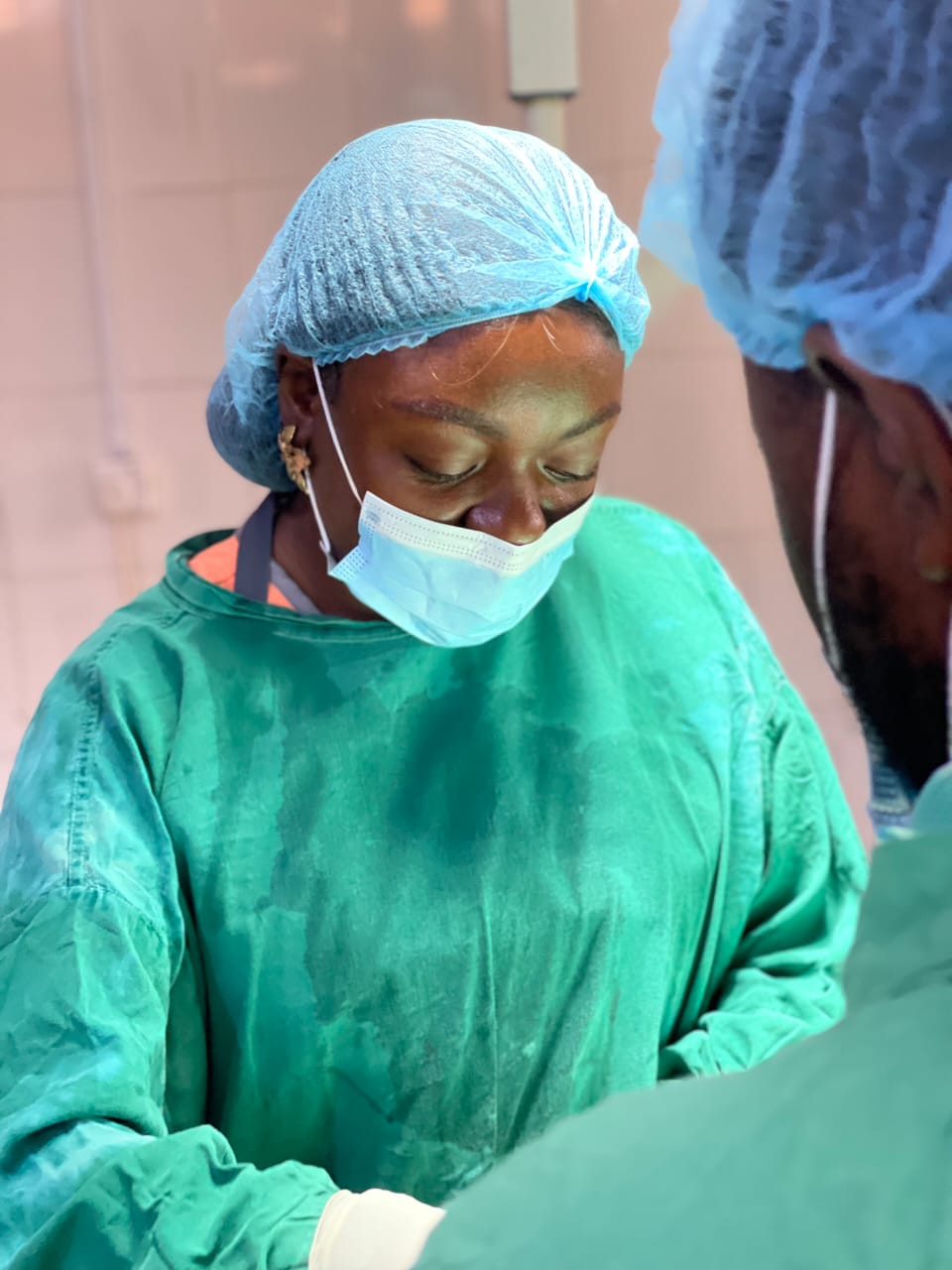
One such trailblazer is Dr. Linda Nwodo, who recently became the first female doctor trained by Sightsavers to conduct hydrocele surgery, marking a significant milestone in a field traditionally dominated by men.
Hydrocele surgery is part of the treatment for neglected tropical diseases, a group of illnesses that disproportionately affect vulnerable populations, particularly in low-income communities.
Dr. Nwodo’s achievement, Sightsavers noted, is not only a personal milestone but also a symbol of progress for women seeking careers in specialised health services.
Speaking on her journey, Dr. Nwodo highlighted the broader impact of empowering women within the healthcare profession.
“Empowering women in health professions isn’t just for their personal growth, it strengthens entire communities. When women are supported to develop their abilities, everyone benefits,” she said.
Her work demonstrates how increasing women’s participation in specialised healthcare fields can expand access to patient-centred services, improve community trust in healthcare systems, and inspire young girls who aspire to careers in science and medicine.
Beyond improving representation, Dr. Nwodo’s role is also helping restore dignity and quality of life to patients affected by neglected tropical diseases, conditions that often carry significant stigma in many communities.
Sightsavers emphasised that expanding opportunities for women in healthcare is part of its broader effort to build stronger and more inclusive health systems.
The organisation said it collaborates with governments and development partners to ensure that women, including women with disabilities, have access to training, healthcare services, and professional opportunities.
According to the organisation, these investments not only empower women but also strengthen communities by improving healthcare delivery and fostering more inclusive development.
The Country Director for Sightsavers Nigeria, Prof. Joy Shuaibu, underscored the importance of supporting women to lead in specialised health sectors.
She noted that the progress made by Dr. Nwodo reflects the transformative impact that can occur when women are given the necessary support and opportunities.
“Dr Linda’s achievements show why investing in women is non-negotiable. When women are given the tools, training and opportunities to lead in specialised health fields, they drive transformative change, not just for patients, but for entire communities. Nigeria cannot afford to leave half of its talent behind,” she said.
Experts say gender inequality continues to undermine development in many parts of the world, with women often facing structural barriers such as limited access to education, discriminatory social norms, and inadequate support systems.
In the health sector, these barriers can result in fewer female specialists, reduced diversity in medical leadership, and limited access to care for vulnerable groups.
Sightsavers noted that addressing these disparities requires sustained investment and deliberate policies that promote gender equity.
The organisation is therefore calling on governments, development partners, and stakeholders to increase funding and support for programmes that empower women and girls.
Particular attention, it said, should be given to women and girls with disabilities who often experience multiple layers of discrimination.
By expanding access to education, professional training, and healthcare opportunities, the organisation believes that women can play a more active role in shaping inclusive and responsive health systems.
Sightsavers also emphasised that empowering women is not merely a gender issue but a critical development priority.
Studies have shown that when women are educated, employed, and supported in leadership roles, communities experience better health outcomes, improved economic growth, and stronger social development.
However, without urgent and sustained action, the organisation warned that progress towards gender equality will remain painfully slow.
Sightsavers said the current projection of 123 years to achieve global gender equality highlights the need for stronger commitments and practical interventions.
The organisation believes that by dismantling structural barriers and investing in women’s potential, countries like Nigeria can accelerate progress and create opportunities for future generations of girls.
With the right policies, resources, and collective commitment, Sightsavers says gender equality does not have to remain a distant dream but can become a reality within the lifetime of today’s children.
For women like Dr. Nwodo, the journey represents both a breakthrough and a reminder of the work still ahead, a path where empowering one woman can open doors for countless others.