By Joy Salami
Residents of Lokoja, the Kogi State capital, are grappling with the rising cost of cooking gas as the price has climbed to about ₦1,200 per kilogram, sparking fears that it may increase further in the coming weeks.
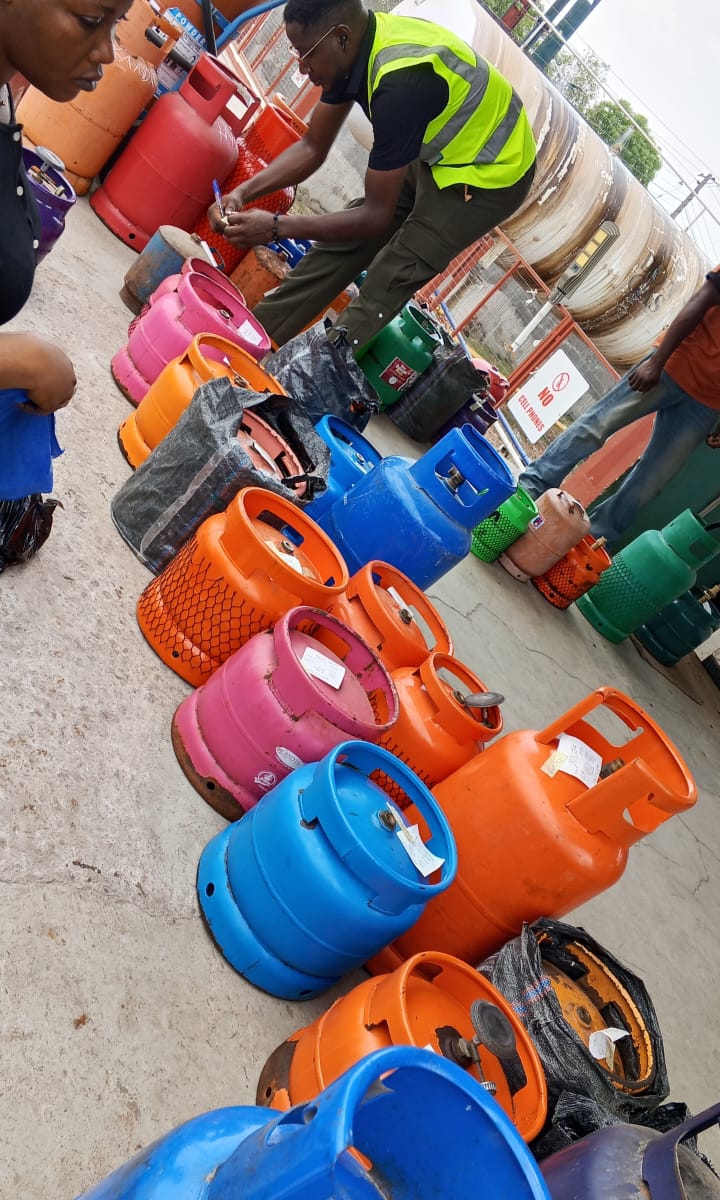
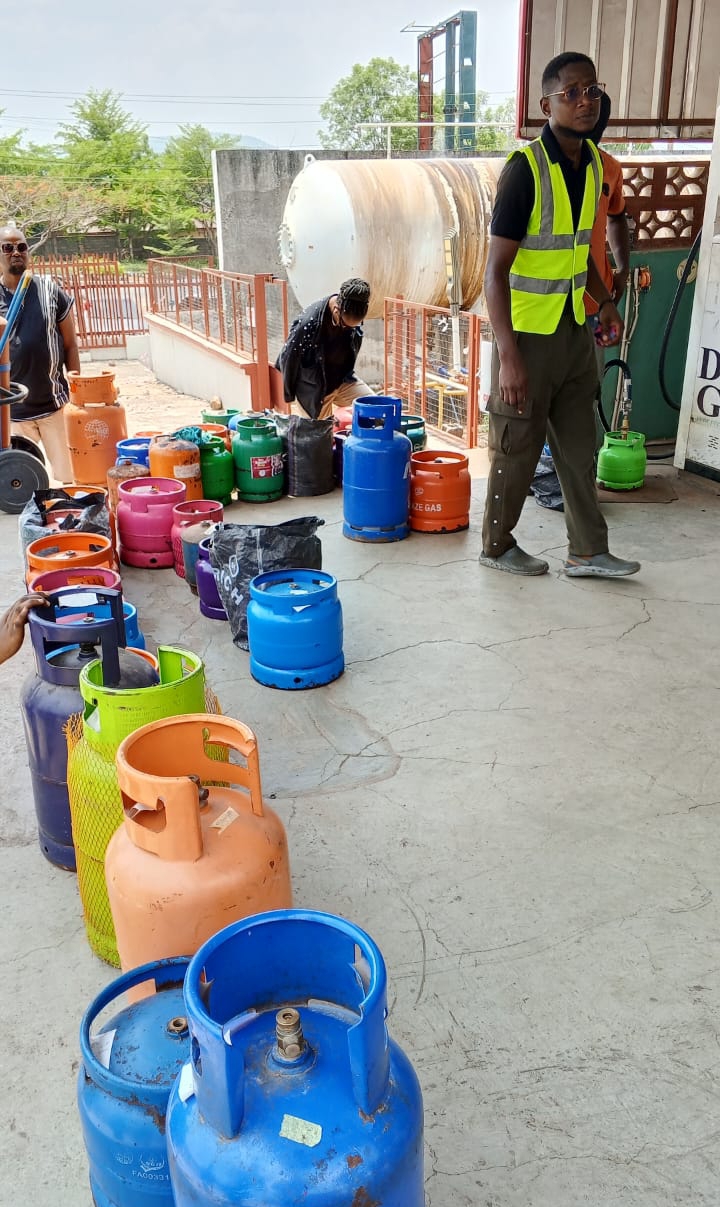
The development has triggered a rush at several gas refill stations across the city, with many residents seen queuing to refill their cylinders in anticipation of another possible hike.
Checks by our correspondent revealed that the cost of refilling a 12.5kg cylinder, which was formerly about ₦12,500 earlier in the year, has now risen to around ₦15,000 in many outlets within the metropolis.
Related News

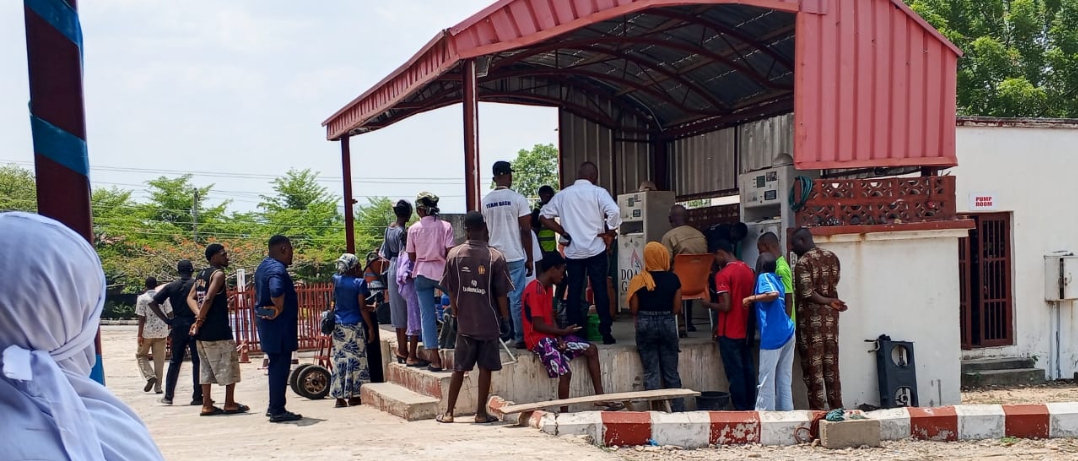
The sharp increase is adding to the economic pressure on households and small businesses that depend on Liquefied Petroleum Gas (LPG) for daily cooking.
At some gas refill stations visited in areas such as Ganaja, Felele and Lokongoma, customers were seen waiting in long lines as attendants struggled to meet the growing demand.
A resident, Mrs. Blessing Ibrahim, said the increase has become a serious concern for many families.
“Before now, refilling my 12.5kg cylinder cost about ₦12,500, but now it is about ₦15,000. With the price already at ₦1,200 per kilogram, people are afraid it may still go up. That is why many of us are rushing to refill,” she said.
Another resident, Mr. Musa Abdullahi, who runs a small food business in Lokoja, lamented that the rising cost of cooking gas is affecting his daily operations.
“As someone who sells food, gas is something we use every day. When the price increases like this, it affects our profit. Sometimes we try to adjust the price of food, but customers also complain because everything is already expensive,” he said.
Gas retailers in the state capital attributed the increase to rising supply costs from distributors as well as transportation expenses.
An attendant at a gas refill station in Lokoja, who spoke on condition of anonymity, explained that dealers are also affected by fluctuating prices from suppliers.
“The price we buy from the suppliers has increased, and transportation to Lokoja also adds to the cost. By the time the gas gets here, we have no choice but to sell at the current price,” the attendant said.
Energy analysts have also linked the recent increase in cooking gas prices to global market pressures, including the escalating conflict between Iran and Israel, which has disrupted crude oil and gas shipments through the Strait of Hormuz, a key global energy corridor.
The situation has contributed to a rise in global energy prices, with ripple effects being felt in several countries, including Nigeria.
However, stakeholders have repeatedly emphasised the need for Nigeria to strengthen its domestic gas production and distribution system in order to stabilise prices and make cooking gas more affordable for consumers.
Meanwhile, many residents in Lokoja say they are already exploring alternatives as they struggle to cope with the rising cost.
Some households have begun rationing the use of cooking gas, while others are gradually returning to the use of charcoal and firewood for certain meals.
As the queues at refill stations continue to grow, residents say they can only hope that the price will stabilize soon so that cooking gas does not become a luxury item for the average household.