From David Onuoja, Abuja
About 85 million Nigerians have been said to live in darkness over lack of access to grid electricity, making Nigeria home to the largest electricity access deficit in the world.
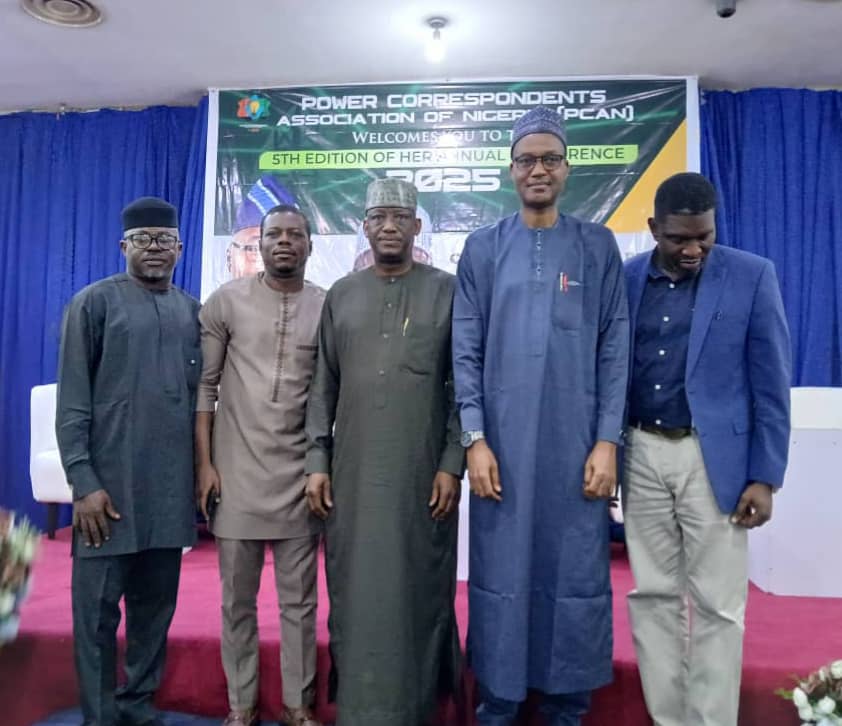
Chairman, Power Correspondents Association of Nigeria (PCAN), Obas Esiedesa made the revelation at the 5th Annual Conference of the PCAN held at the Nicon Luxury Hotel, Abuja, Thursday.
The theme of this year edition, which is “Cost-Reflective Tariff vs. Energy Poverty: Finding a Pricing Balance in Nigeria’s Power Sector”, is organized by the association in order to finding lasting solutions to the power sector in Nigeria.
He said, more than a decade after the privatization of the power sector, this balance remains a formidable challenge. The industry is still weighed down by an estimated ₦6 trillion debt owed by the Federal Government to power generation companies, a massive liquidity gap across the value chain, gas supply shortages, aging and weak transmission infrastructure, and rising foreign exchange costs that threaten investments and operations.
Related News
According to him, “While operators demand cost-reflective tariffs as a condition for viability, millions of Nigerians continue to live in darkness or rely on expensive self-generation.
“According to the World Bank, about 85 million Nigerians, roughly 43 percent of our population, still lack access to grid electricity, making Nigeria home to the largest electricity access deficit in the world. This statistic is not just a number; it is a stark reminder of the scale of our national challenge and the urgency of reform.
“At the same time, those who do have access are often confronted with high tariffs, poor service delivery, and estimated billing, leading to frustration and declining public trust. The question before us, therefore, is not whether we need cost-reflective tariffs — we do. The real question is how to achieve a fair, transparent, and socially responsible pricing framework that balances economic sustainability with public welfare.
“As journalists who follow this sector closely, we at PCAN understand that electricity pricing is more than a technical or economic issue — it is at the heart of Nigeria’s development, productivity, and quality of life. That is why this conference continues to serve as a neutral and solutions-driven platform for engagement among all stakeholders.
“For us in PCAN, our responsibility goes beyond covering stories, we are partners in progress. Through factual reporting and constructive engagement, we seek to amplify voices, bridge perspectives, and drive conversations that inspire real policy action.
“Nigeria’s power sector stands at a crossroads — between cost recovery and social justice, between reform and regression. The decisions we discuss here today must help move the sector toward sustainability, equity, and universal access”, he added.