From Taiye Joseph, Ilorin
Police officers in Kwara State, have been urged to overcome the fear of stigmatisation and promotion setbacks, by speaking out and seeking professional help whenever they experience mental health challenges.

The call was made by a Consultant Psychiatrist at the Kwara State University Teaching Hospital, Ilorin, Dr. M.O. Salihu, while delivering a lecture at the 2026 World Mental Health Day celebration organised by the Kwara State Police Command.
Salihu identified stigma, fear of losing professional privileges, operational pressure and poor organisational support as major reasons many police personnel suffer mental health challenges in silence.
Related News


Speaking at the event held at the Police Officers’ Mess, GRA, Ilorin, he disclosed that some officers avoid discussing their psychological struggles because they fear such disclosures could affect their career progression.
Citing a survey conducted in the United States, the psychiatrist said three out of every four police officers surveyed would not disclose their mental health challenges to their supervisors.

He added that more than 40 per cent of officers believed seeking mental health support could jeopardise their promotion, while 18 out of 60 expressed fears of losing access to their firearms if they sought professional assistance.
According to him, the demanding nature of police duties, including highway patrols, inadequate manpower, poor accommodation and healthcare challenges, further expose officers to occupational stress.
He explained that situations where one officer is expected to perform duties meant for five personnel could increase psychological pressure and affect their overall well-being.
Salihu, however, urged officers not to allow misconceptions and fear to prevent them from accessing professional care, noting that the Nigerian Mental Health Act 2021 provides protection for persons living with mental health conditions.
He stressed that mental health challenges should not be treated as grounds for discrimination or dismissal, adding that training and therapy had been proven effective in managing psychological conditions.
The psychiatrist advised police personnel to prioritise six to eight hours of sleep daily, engage in regular physical exercise, reduce alcohol consumption and maintain supportive relationships with colleagues.
He also called on police authorities to improve officers’ welfare through fair duty schedules, timely payment of allowances and regular medical examinations.
Earlier, the Officer-in-Charge of the Directorate of Force Medical Services, Dr. Abdulquadir Balogun, said the programme was designed to equip personnel with practical strategies for managing stress, promoting peer support and accessing confidential mental healthcare.
The event, organised under the theme, “Promoting Mental Health in Policing: Breaking Stigma, Managing Occupational Stress, and Building a Supportive Police Workforce Through Peer Support, Leadership Involvement, and Confidential Access to Care,” also emphasised the importance of leadership involvement in protecting officers’ psychological well-being.
In his remarks, the Commissioner of Police, Kwara State Command, CP Adekimi Ojo, reaffirmed the importance of creating a supportive working environment where personnel could openly discuss mental health concerns without fear of discrimination.
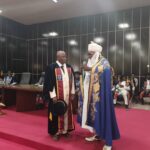
The highlight of the programme was the presentation of awards to the guest speaker and the commissioner.
Salihu received an Award of Appreciation from Ojo in recognition of his lecture, while the police commissioner was also honoured for his leadership of the command.