By Joy Salami
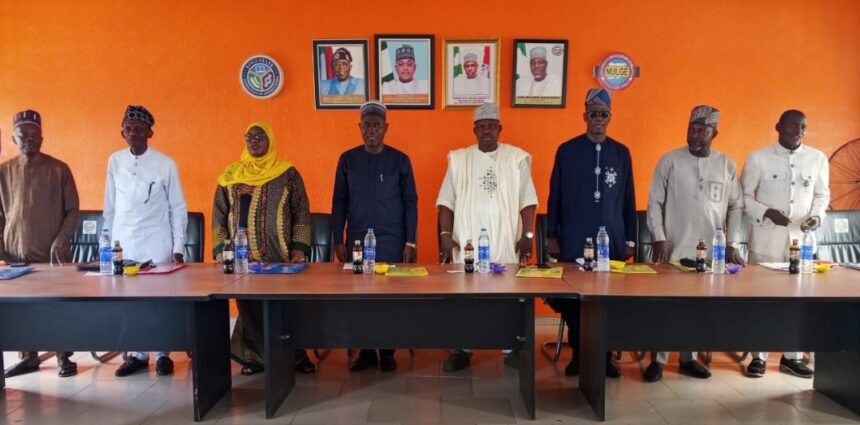
The Kogi State Local Government Civil Service Commission, has trained Directors of Primary Health Care across the 21 Local Government Areas of the state, as part of efforts to strengthen healthcare delivery at the grassroots.

The Chairman of the Commission, Dr Adams Adabenege, who declared this at the training workshop, stated that effective and efficient management of Primary Health Care (PHC), remains a critical solution to achieving sustainable development in Nigeria.
Related News
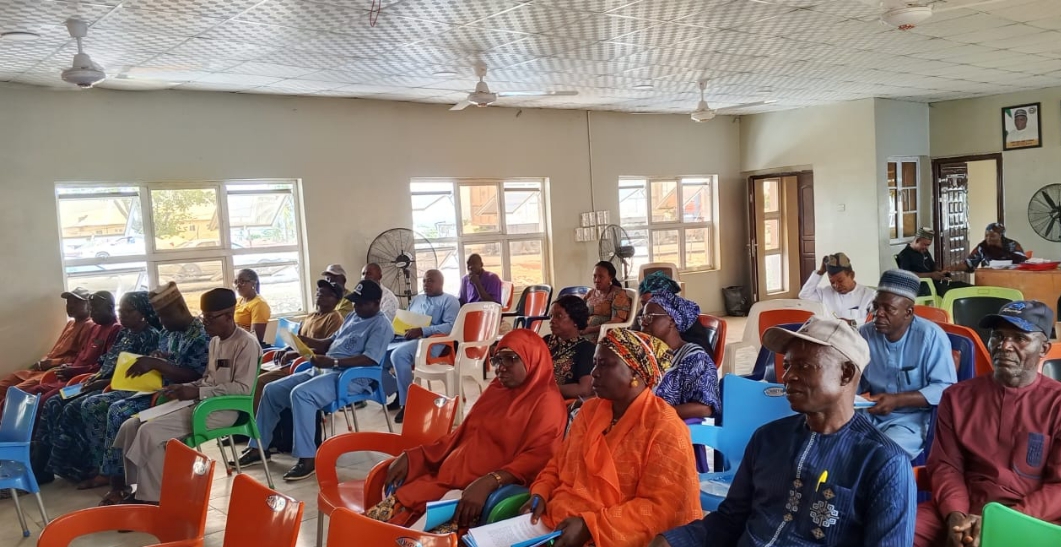
The workshop, themed “Effective and Efficient Management of Primary Health Care: A Panacea for Sustainable Development,” was organised specifically for Directors of Primary Health Care drawn from across the state.

Addressing participants and stakeholders at the event, Adabenege stressed that while infrastructure such as roads, bridges and power often dominate discussions around development, the true foundation of any progressive society lies in the health of its people.
“When we talk about sustainable development, we often think of infrastructure, roads, bridges and power. Yet, the true foundation of any developed society is the health of its people,” he said.
Describing health as wealth, the chairman noted that PHC represents the first point of contact between communities and the health system, adding that its effective management is essential for inclusive, equitable and affordable healthcare delivery.
He explained that the focus is shifting from merely providing services to building and managing functional systems that deliver results, and stated that proper PHC management promotes social development, economic efficiency and resilience.
The training, he expressed, was designed to equip participants with the necessary skills to bring healthcare services closer to the grassroots and improve overall well-being.
Adabenege reaffirmed the government’s commitment to strengthening Primary Health Care delivery, assuring that efforts are ongoing to make quality healthcare accessible to all residents.
He charged participants to take the training seriously and translate the knowledge gained into practical actions in their respective local government areas.
“Be proactive, be accountable, and be innovative in your management styles,” he urged, before formally declaring the workshop open.
In his presentation, resource person Dr David Bello, described Primary Health Care as the most accessible, affordable, and trusted level of healthcare, particularly for communities at the grassroots where a significant portion of the population resides.
Bello stated that PHC is not only the first point of contact between patients and the health system, but also serves as a foundation for building a sustainable national health infrastructure. He explained that effective PHC management is crucial because the system connects the primary, secondary, and tertiary levels of care, ensuring continuity and efficiency across the entire health sector.
“Primary Health Care is not complete if it exists in isolation. It must be linked seamlessly to secondary and tertiary care levels. Only then can it contribute effectively to the health system of the nation,” Bello said.
He further stressed the cost-effectiveness of PHC, noting that its affordability encourages community trust and regular utilisation. “People rely on primary health care because it is affordable and available within their communities. Proper management ensures these facilities operate at full potential and build confidence among residents,” he added.
Bello also disclosed that PHC is about more than treating illnesses, describing it as a preventive tool that emphasises early intervention, health education, and the prevention of disease complications, one that not only improves health outcomes but also reduces the burden on higher-level healthcare facilities.
He urged participants to adopt innovative management practices, data-driven decision-making, and community engagement strategies to strengthen service delivery, stressing the importance of monitoring, accountability, and continuous staff capacity-building as pillars of effective PHC management.
“The goal is to move from merely providing services to managing systems that actually work, systems that save lives, prevent diseases, and strengthen the overall resilience of our communities,” Bello stated.
Also speaking, the Executive Director of the Kogi State Primary Health Care Development Agency, Dr. Muazu Musa, represented by Dr Hadija Ismail, commended the Commission for organising the training, describing it as timely and impactful.
Hadija expressed that the workshop provided participants with valuable insights from experienced health administrators, adding that the knowledge gained would enhance service delivery at the grassroots level.
“From what we have learnt, prevention is better than cure. At the primary healthcare level, our responsibility is to prevent diseases, manage them early, and avoid complications,” she said.
Participants at the workshop, including Comrade Ohuei Emmanuel, Director of Primary Health Care, Ogori-Magongo; Abalako Muhammed of Omala Local Government Area; and Amana Gloria of Ofu LGA, commended the initiative and described the training as enlightening and practical.
They expressed optimism that the knowledge gained would improve healthcare administration and positively impact communities at the grassroots.