By Aisha Audu
Kogi State Government has reiterated its commitment to repositioning education as a key driver for enhancing security, transformation and human capacity building.
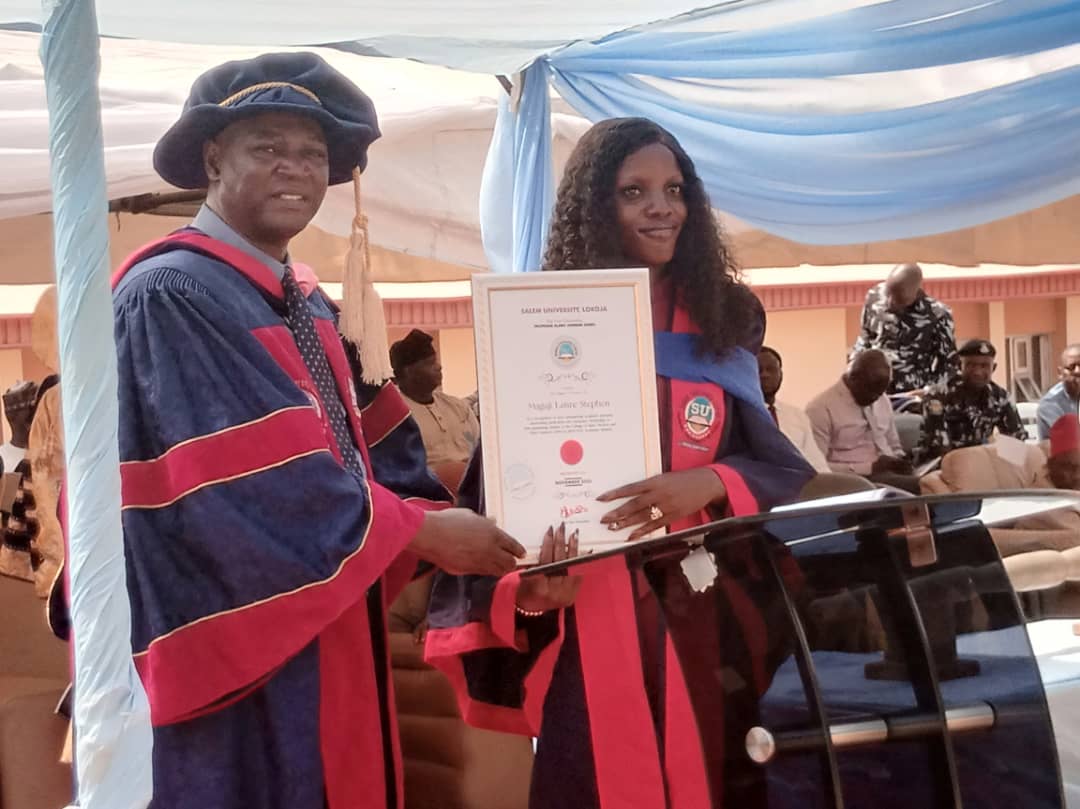
Governor Ahmed Usman Ododo, gave the reassurance at Salem University’s 7th Convocation ceremony at the campus of the institution along Ajaokuta road.
Represented by the Commissioner for Education, Honourable Wemi Jones, Governor Ododo, reaffirmed his unwavering commitment to repositioning education in Kogi State, saying his administration will spare no effort to uplift schools, expand opportunities, and empower the next generation of leaders.
Related News

“In Kogi State, our deliberate and intentional objective is to use education to kill terrorism,” Jones further told the gathering..
He added that the administration was deepening its free‑education policy, expanding the free examination registration initiative, and allocating 30 percent of the state’s annual budget to education to ensure strong, sustainable funding.
The commissioner used the occasion to praise Archbishop Sam Amaga and the Vice‑Chancellor for securing approval for the MBBS programme, calling it a monumental step toward addressing Nigeria’s shortage of healthcare professionals while urging the new graduates to become problem‑solvers and drivers of transformation.
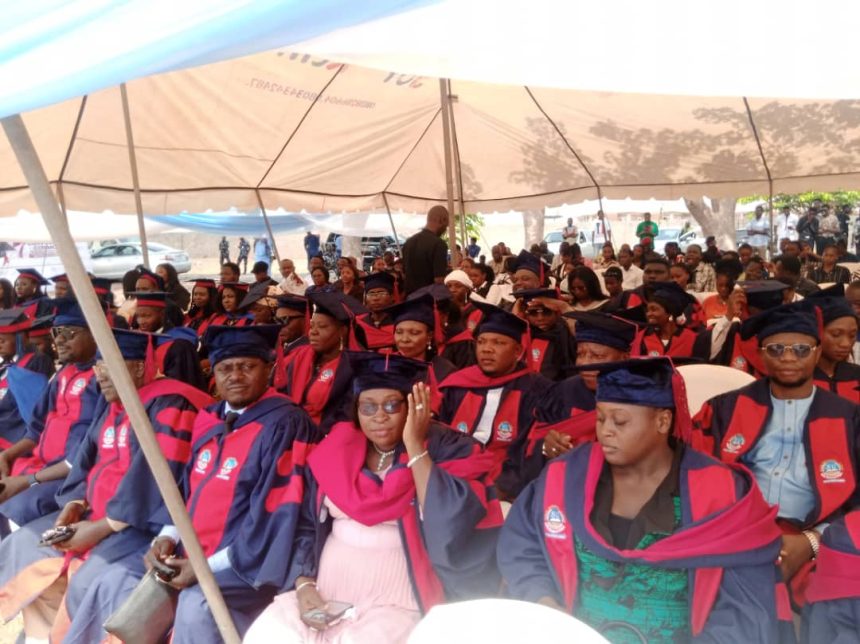
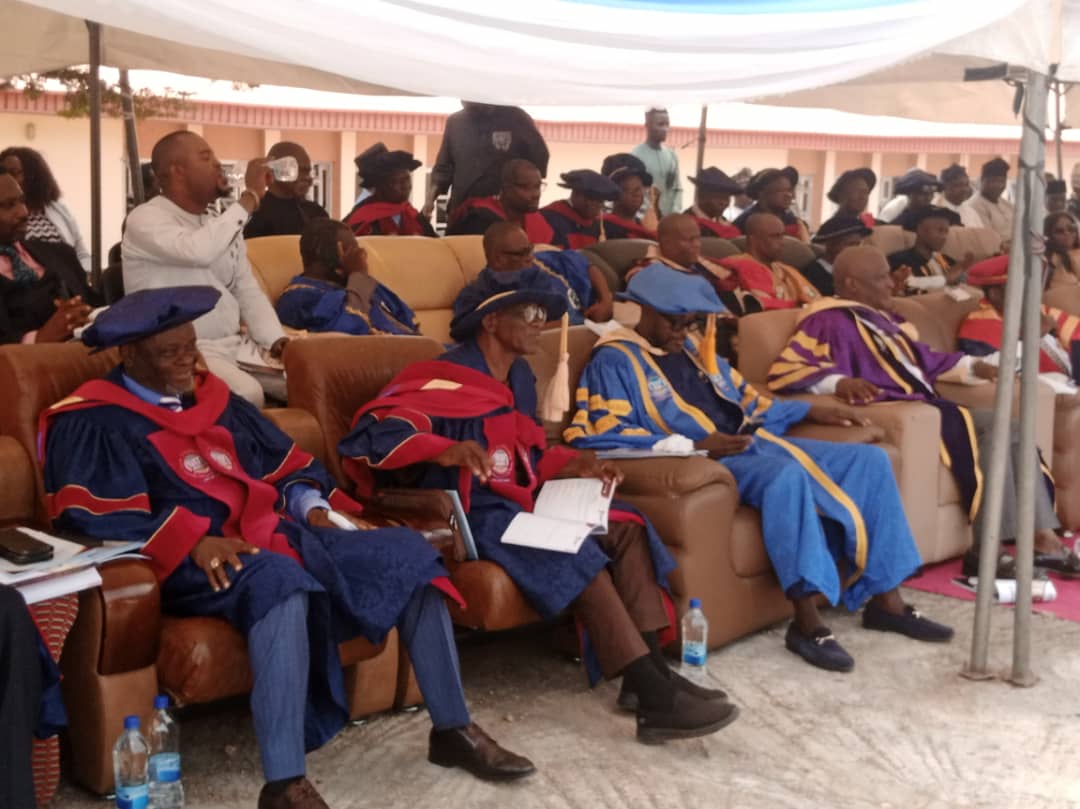
The ceremony, themed “Release of Change Agents,” began with a procession of graduates in academic gowns.
This was closely followed by the Chancellor and founder, Archbishop Dr. Sam Amaga’s opening prayer, centered on appreciating God for the calm weather and for keeping the university’s calendar on track for 17 years ; a record of never delaying students due to strikes.
He described the day as a harvest of hard work, late‑night study and demanding exams, and charged the graduates to be “change agents” who will serve others, remain honest and keep their faith strong.
Archbishop Amaga also highlighted Salem University’s affordable professional programmes, especially in medicine and nursing, reminding everyone that “time is the greatest currency.”
On his part, the Acting Pro‑Chancellor, Bishop Enobong Etteh while delivering his speech, commended Governor Ododo and his team for their continued support while acknowledging traditional rulers and sister universities whose presence he emphasised affirmed confidence in Salem’s mission to produce spiritually grounded, intellectually alert and socially responsible leaders.
He noted recent achievements, including the approval of the MBBS programme, the launch of new postgraduate courses in mass communication, international relations, biochemistry and other fields as well as the upgrade of science laboratories that give students hands‑on experience.
Enobong Etteh announced that 172 students had graduated and would be sent out as ambassadors of the university.
Contributing, the Vice‑Chancellor of the institution, Professor Alewo Akubo, expressed gratitude to God for a successful academic year ; just as he praised Archbishop Amaga for being a visionary whose faith and sacrifice made the university possible.
He confirmed that the National Universities Commission had verified the MBBS programme, allowing Salem to train doctors without interruption, and that modern facilities for anatomy, physiology, nursing and medical laboratory science had been established.
According to Prof. Akubo, the university has never missed a day of classes and has zero tolerance for exam cheating or unnecessary delays, ensuring that students graduate on time.
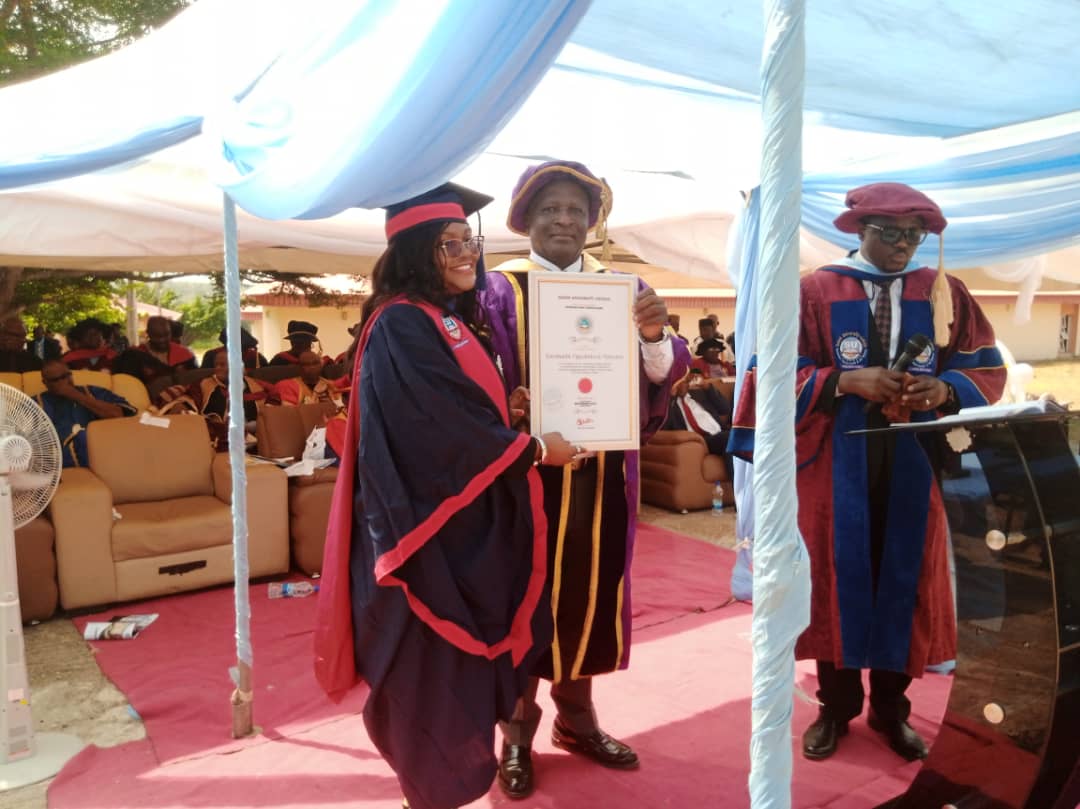
He further used the occasion to present honorary doctorates to Justice Adah and Chief Ogwu Onoja, SAN, in recognition of their contributions to justice and public service.
One of the highlights of the day was a lecture by the Guest Speaker, Prof. John Alfa, a leading public‑health expert who spoke on “Pure Medical Health in Nigeria: The Current State and Its Impact on the Populace,”.
Prof. Alfa explained how inadequate healthcare infrastructure, a shortage of medical personnel and limited access to basic services has contributed to preventable illnesses across the country.
He highlighted recent government initiatives aimed at improving primary health care and urged graduates to become active agents of change in their communities.
In his closing remarks, Prof. Alfa stressed that good health was the foundation of national development and called on the new graduates to support local health programmes, promote preventive care and advocate for better resources in underserved areas.
Meanwhile, four graduates earned first‑class honours from different departments out of 172 students.