By Victoria Okpanachi
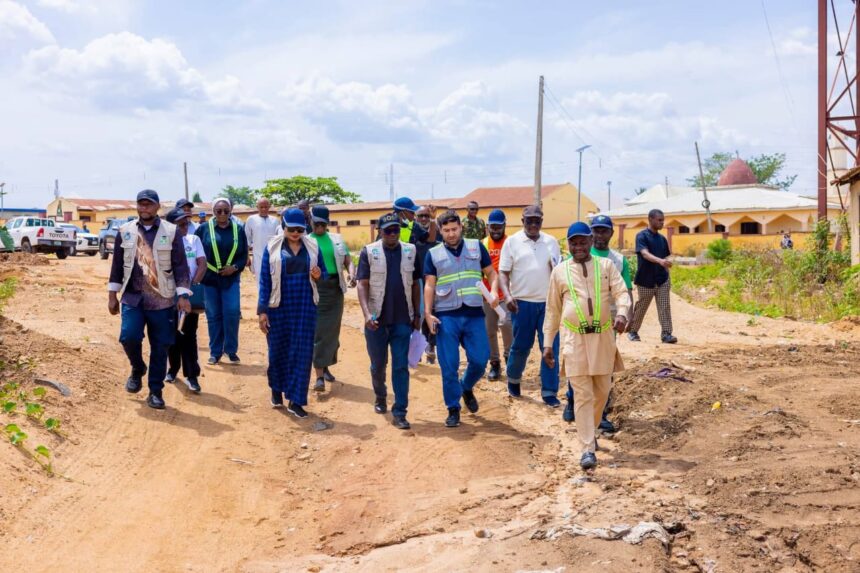
Kogi Government, has been commended for prioritising the welfare of its people and safeguarding environmental health, as a technical team from the World Bank and the Federal Project Management Unit (FPMU), visited the state recently on an engineering support mission.
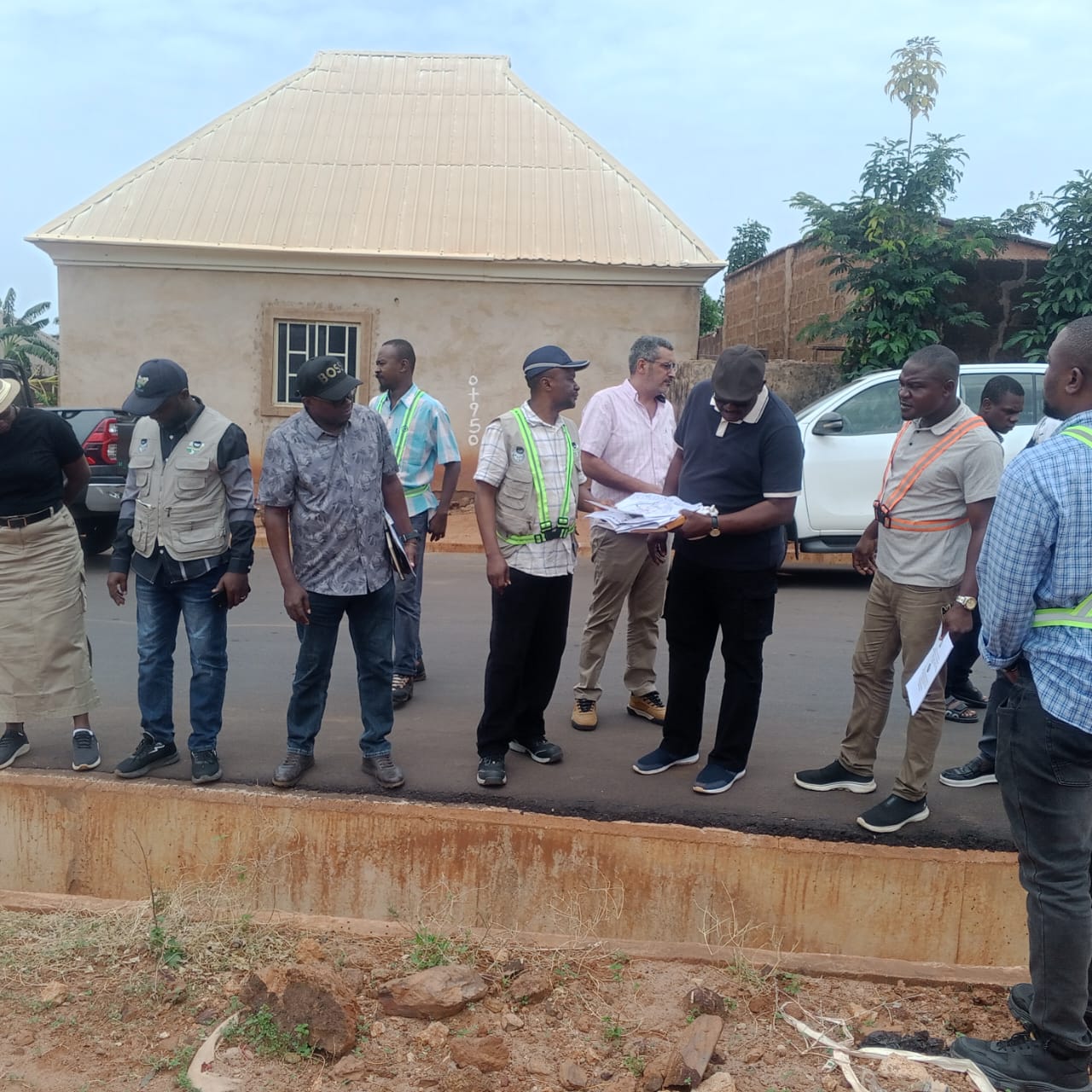
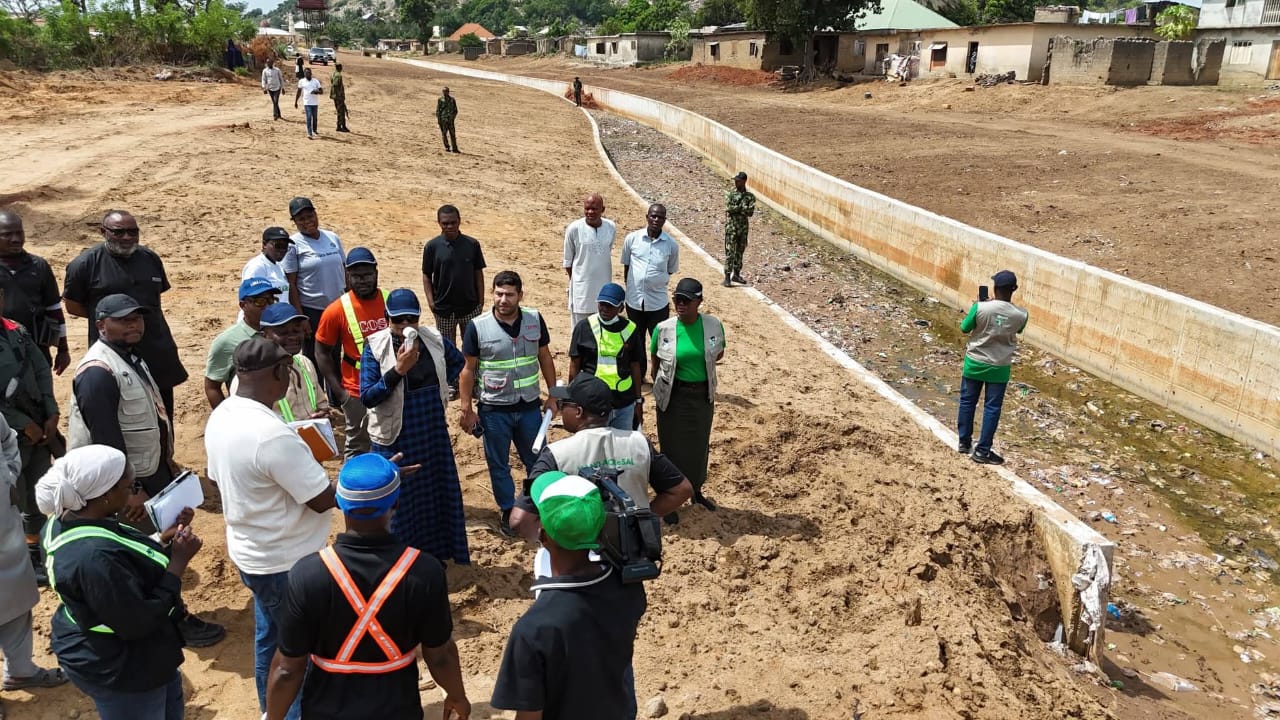
The aim of the visit was to review the progress of ongoing civil works across selected project sites and assess compliance with approved engineering designs and technical specifications, while identifying areas requiring further guidance to ensure quality and the long-term sustainability of the projects.
Speaking during the visit, the Team Lead, Engrineer Ayo Odebiyi of the World Bank, explained that the mission is part of efforts to strengthen implementation and guarantee sustainability of projects under the Agro-Climatic Resilience in Semi-Arid Landscapes (ACReSAL) initiative.
Related News

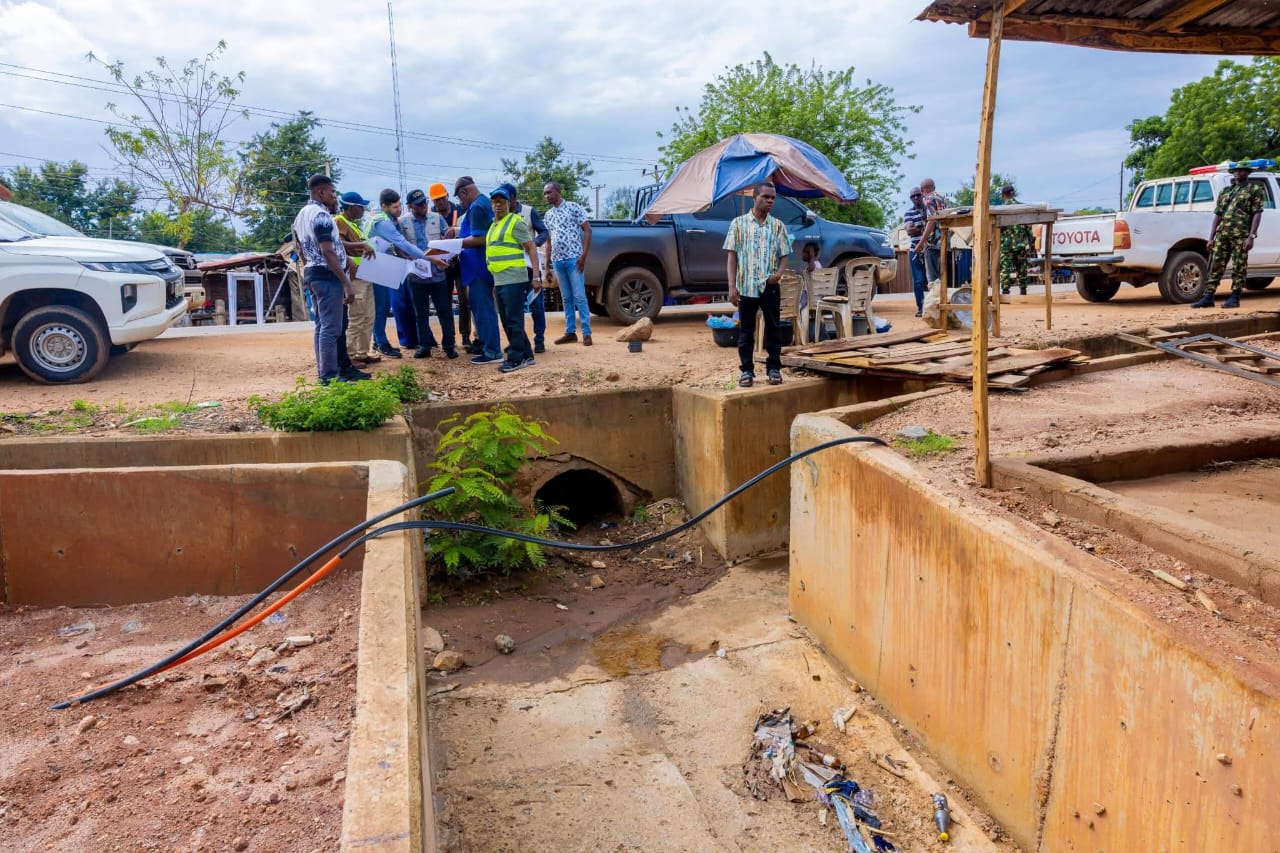
He noted that although Kogi is among the leading states in the implementation of gully stabilisation projects under ACReSAL, continuous technical support remains essential to sustaining progress and achieving long-term impact.
Welcoming the delegation, the Project Coordinator, Barrister Ladi Jatto, expressed appreciation to the World Bank and the FPMU for their consistent technical backing, which she described as critical to the success of the programme in the state.
She attributed the state’s achievements to the commitment of Governor Ahmed Usman Ododo, whose determination to tackle land degradation has driven the partnership and enabled the attainment of key milestones.
Barr. Jatto stated that the visit by the World Bank and project monitoring team provided an opportunity to assess the extent of land restoration efforts undertaken by the state management team, especially in Kogi Central.
During the mission, the team visited key erosion control projects at the Ankpa erosion sites and the Ofejiji downstream channelisation works, which have impacted over 160.34 people and are helping to reclaim about 5,895 hectares of land.
The team proceeded to inspect other project sites, including Ozuri, Udozumi and Etahi, while also exploring opportunities for additional financing to scale up intervention efforts in other affected communities.