By Joy Salami
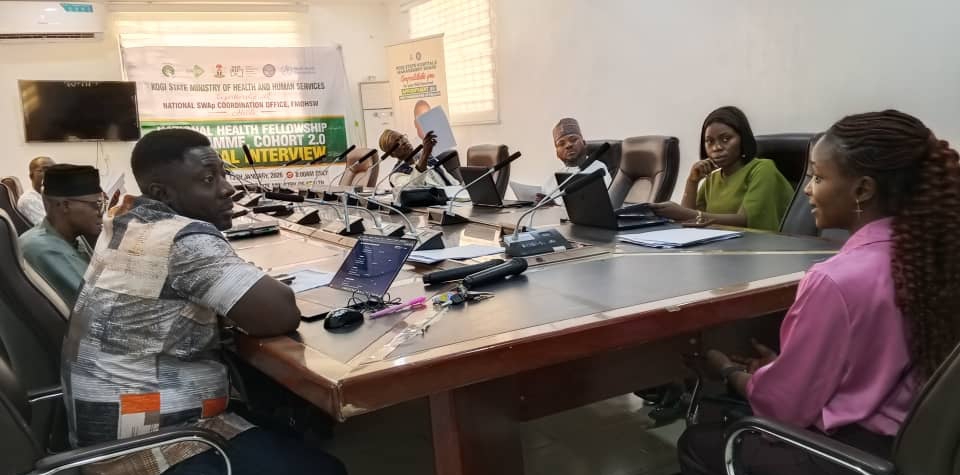
The Kogi State Ministry of Health and Human Services, in collaboration with the National SWAP Coordination Office of the Federal Ministry of Health and Social Welfare (FMoHSW), has conducted the Physical Interview exercise for it’s Cohort 2.0 selection process under the National Health Fellowship Programme (NHFP).
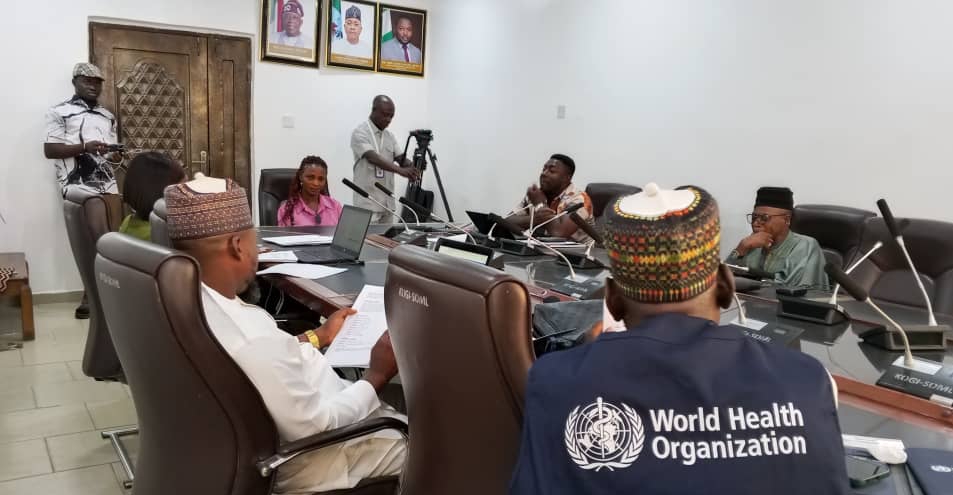
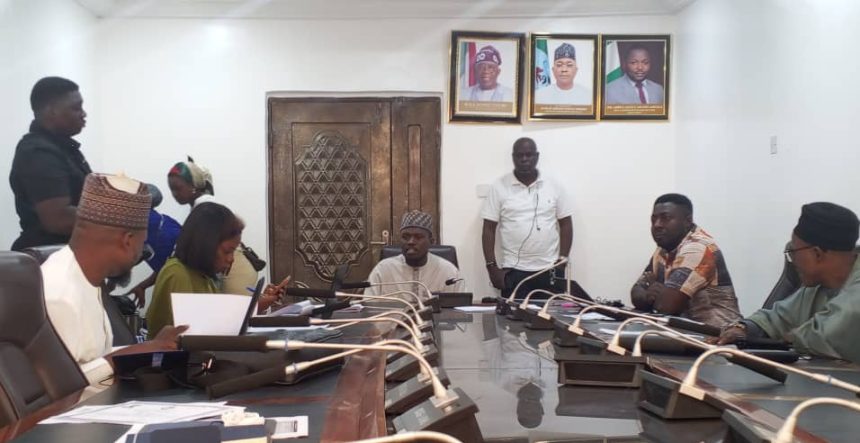
The interview, which is being conducted simultaneously across Nigeria, lasted for three days and was held at the Conference Room of the Kogi State Ministry of Health, with selected candidates drawn from all Local Government Areas of the state.
The National Health Fellowship Programme is a federal initiative aimed at strengthening Nigeria’s health system by training young graduates in health administration and leadership, with a view to grooming future health administrators and policy leaders.
Related News
Speaking on the exercise, the World Health Organization (WHO) State Coordinator in Kogi, Dr. Mahmood Saidu, said the interview followed a rigorous national application and screening process and that the state had no influence over candidate selection.
He disclosed that the interview is being conducted concurrently across the country and was scheduled to run for about three days, adding that the candidates were selected at the national level after applications were submitted and screened. Kogi State did not select the candidates; the list was sent to us by an independent body.
Dr. Saidu explained that transparency was a key principle guiding the interview process, noting that a seven-member panel independently assessed each candidate without interference.
Each panel member asks questions and scores candidates independently. There is no discussion among panelists on scoring. This is to ensure fairness and transparency, in line with directives from the Honourable Minister of Health, he added.
He further stated that the fellowship, which began last year under President Bola Ahmed Tinubu’s administration, is a one-year programme designed to expose fellows to primary healthcare operations at the local government level.
The fellows will spend one year in their local governments, learning health administration and primary healthcare delivery. The aim is to build a new generation of health administrators who will lead the system in the future, Dr. Saidu said.
Also speaking, the Kogi State SWAP Desk Officer, Dr. Emmanuel Bola-Jonah, disclosed that thousands of applicants applied nationwide, but only three candidates per local government were shortlisted for the physical interview.
“For Kogi State, 63 candidates were shortlisted, three per local government. They have gone through several layers of screening nationally before being sent to the state for this physical interview,” he said.
According to him, candidates were assessed on leadership, ethics and accountability, teamwork, motivation, and commitment to public service, while their credentials were also verified.
He explained that at the end of the interview, the best candidate from each local government will emerge. However, the final selection is determined from the national dashboard, not by the state panel.
Dr. Bola-Jonah noted that the fellowship is focused on building a pipeline of health leaders capable of identifying and addressing health challenges at the grassroots.
These fellows will work closely with primary healthcare workers, community leaders, and stakeholders in their local governments to identify health needs and implement solutions, he said.
Some of the candidates who participated in the interview commended the process, describing it as transparent and welcoming.
One of the interviewees, Dr. Ogala Ojonigo, said the interview was practical and fair, adding that she was willing to serve her local government if selected.
Another candidate, Yahaya Dauda from Kogi Local Government Area, said the friendly disposition of the panel helped him express himself freely and reassured him of the credibility of the process.
The National Health Fellowship Programme is expected to deploy successful candidates to local governments nationwide, where they will undergo intensive capacity building and contribute to strengthening Nigeria’s primary healthcare system.