From Taiye Joseph, Ilorin
Media professionals in Kwara State, have been urged to adopt fact-checking measures and add professional insight when using artificial intelligence (AI), in reporting to maintain relevance and credibility.
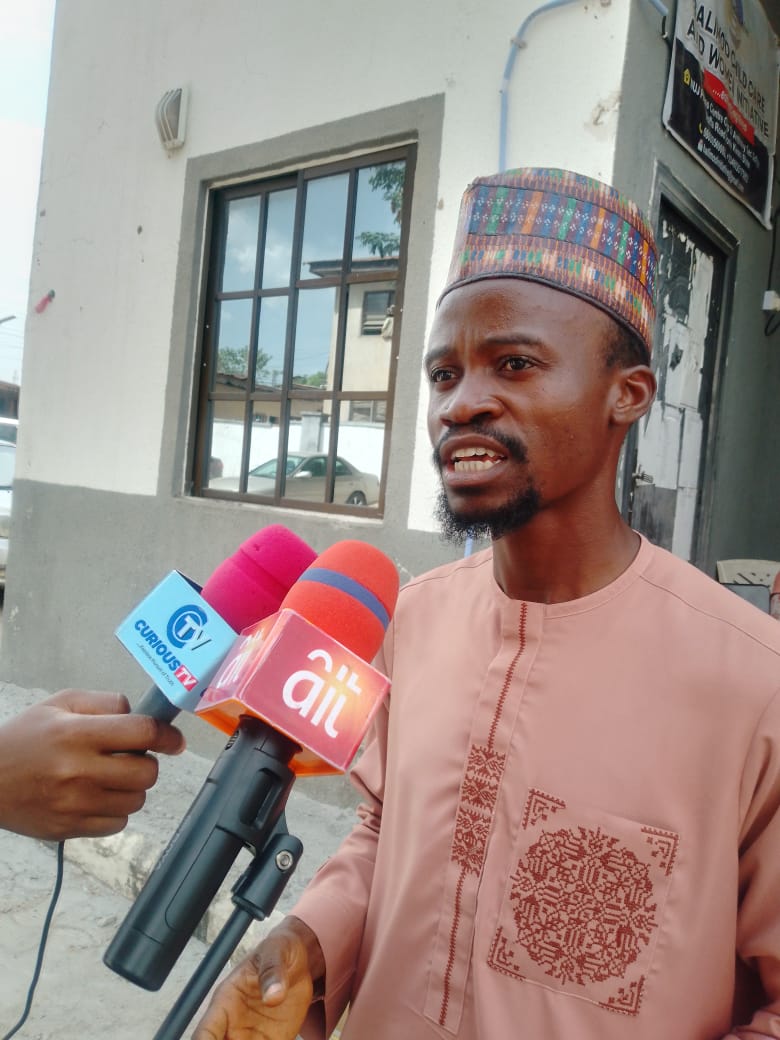
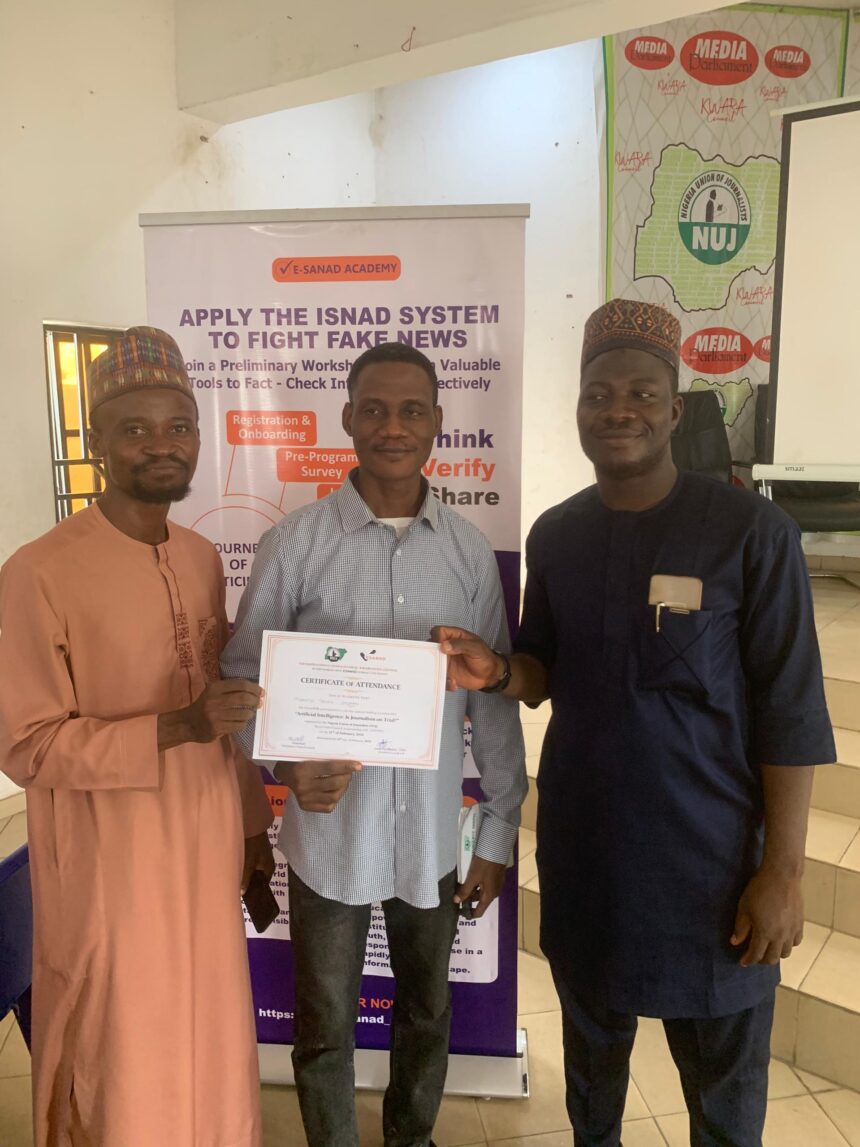
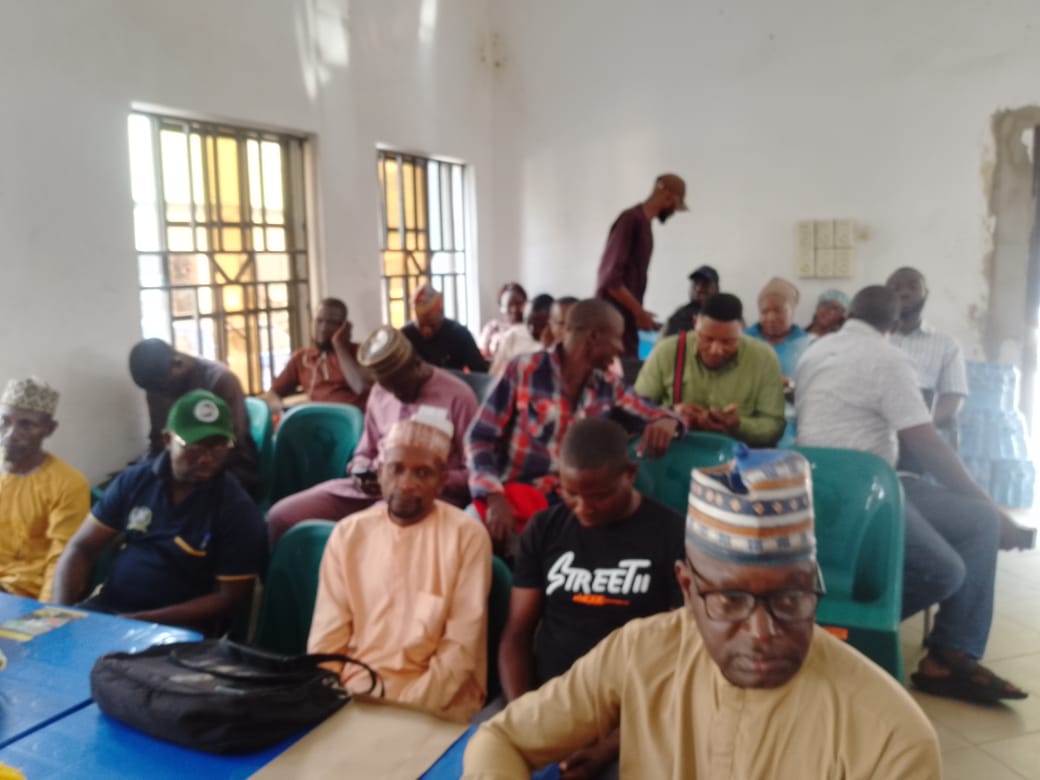
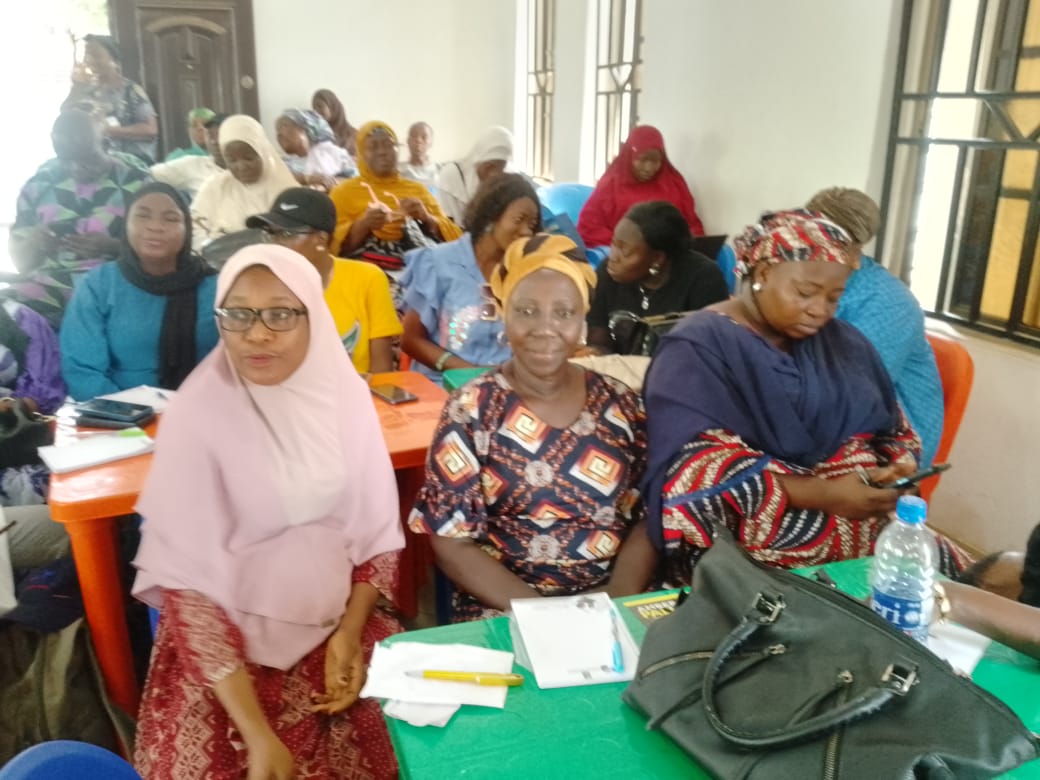
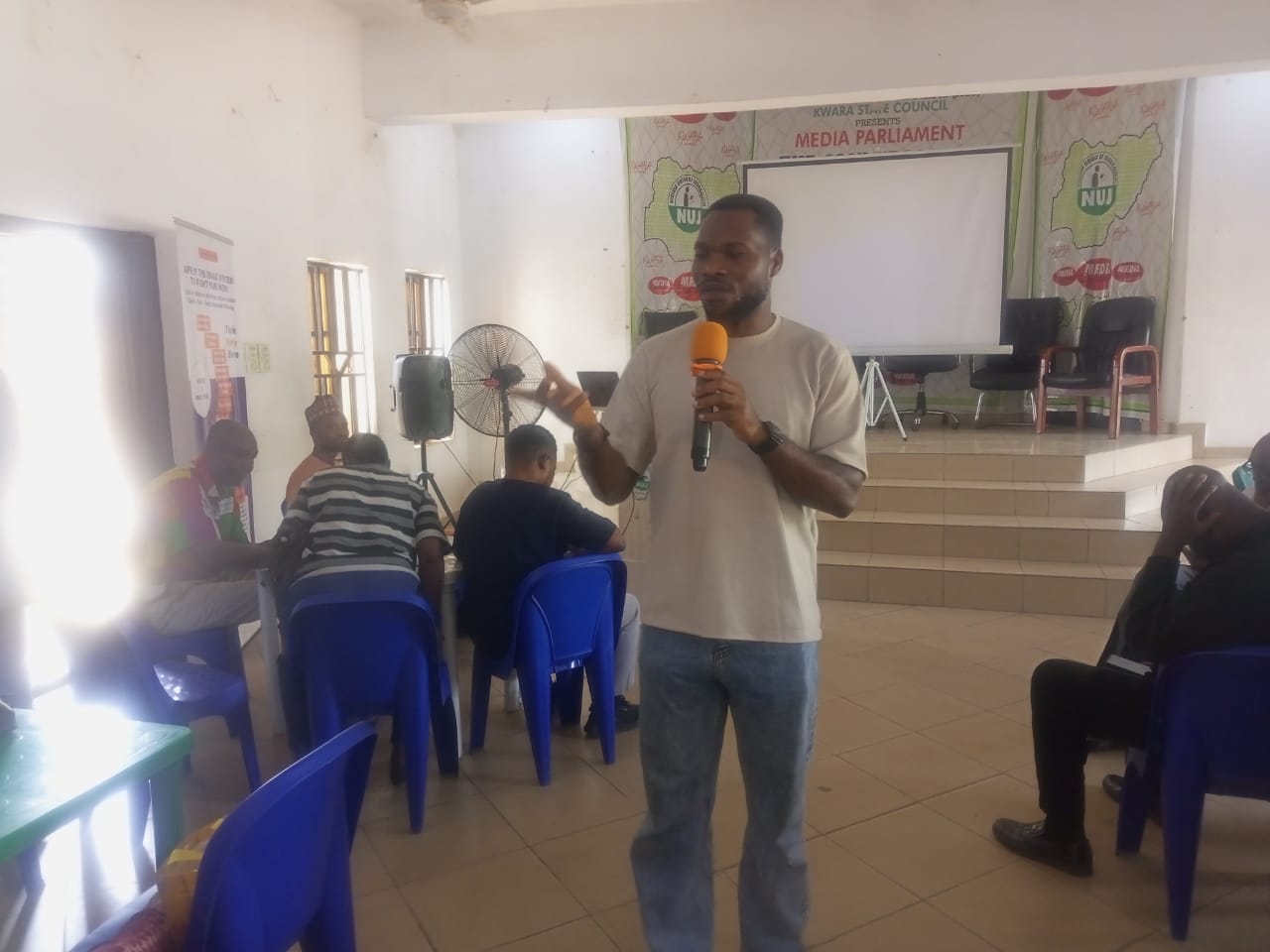
Speaking at a workshop titled “Artificial Intelligence (AI): Is Journalism on Trial?” organised by the Nigeria Union of Journalists (NUJ), Kwara State Council, in collaboration with E-SANAD Academy in Ilorin, resource person Kehinde Kamaldeen stressed that journalists should not rely solely on AI-generated content.
“It is not encouraging for a journalist to depend completely on AI-provided answers. There is a need for clarity in tasks for AI, specifying context, constraints, and the format to be followed in the structure,” Kamaldeen said. He further advised that journalists must always fact-check AI content before publication to ensure its credibility.
Related News

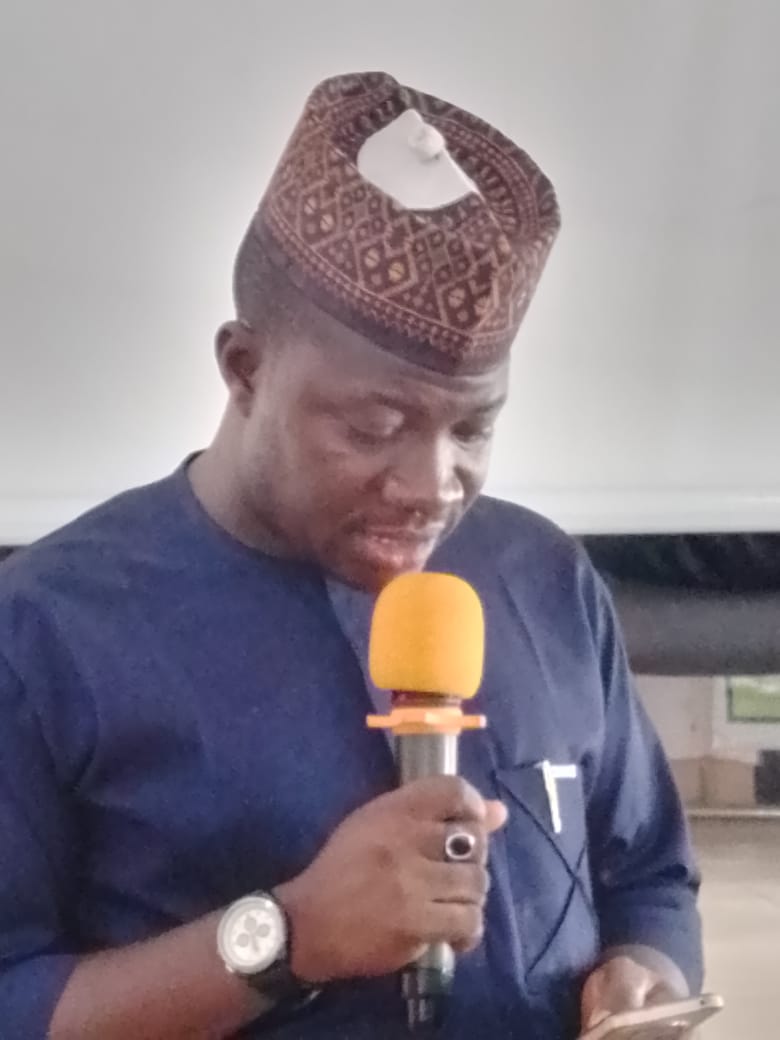
Kamaldeen noted that while AI can speed up reporting, it must serve as a support tool rather than a replacement for professional judgment.
Echoing this, the Chief Executive Officer of ESANAD Consult Limited, Mr Ganiyu Yusuf Opeyemi, highlighted that AI can generate content rapidly but is prone to errors known as “hallucinations.”
“When you use AI to generate content, it may bring in extra information you did not ask for. That is what we call hallucination. When this happens in journalism, human oversight is critical,” Opeyemi explained. He urged journalists to use AI responsibly, adding that it should assist but not dominate editorial work.
“Only the person who understands journalism very well can use AI effectively. If AI makes a mistake, an experienced journalist will notice. A beginner may assume everything it produces is correct,” he added.
Opeyemi also stressed that AI cannot verify real-time events or provide the nuanced understanding that journalists bring to reporting. “AI will go all over the internet, look at patterns and predict outputs. But imagine something is happening here now. Can AI accurately tell you how many people are outside or provide human insight? That is the work of a journalist,” he said.
On ethical considerations, he called for transparency in AI use and adherence to newsroom policies. He recommended using AI for tasks like paraphrasing and summarising while maintaining human responsibility over core reporting.
With political activities expected to intensify ahead of the 2027 general elections, Opeyemi urged journalists to maintain professionalism and transparency. “People will know you are using AI, but let them also see your effort as a journalist and how you applied it responsibly,” he concluded.
The NUJ Kwara State Chairman, Mallam Lanre Ahmed, acknowledged AI’s transformative impact on newsrooms but cautioned against overreliance on the technology.
“This is an interesting time in the media industry. Journalists now write and edit seamlessly without the fear of queries over poorly written pieces, thanks to AI. But we must be careful. Some journalists have relied too much on AI, and creativity is being undermined,” he warned.
Ahmed urged journalists to continue self-development, reading, and critical thinking while using AI as a support tool. He also called on Nigeria’s science and technology sector to develop indigenous AI solutions to reduce dependence on foreign technology.
“AI is a machine designed to function like the human brain. We must counter any negative narrative by using it responsibly so that creativity does not die a natural death,” he said, expressing optimism that the workshop would equip participants to harness AI effectively while upholding journalistic standards.