From Taiye Joseph, Ilorin
Pathologists in Nigeria, have been urged to embrace technological innovation, strengthen local diagnostic capacity and invest in sustainable laboratory practices to improve healthcare delivery and prepare the country for future disease outbreaks.
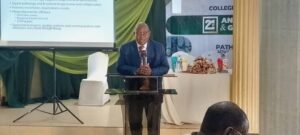
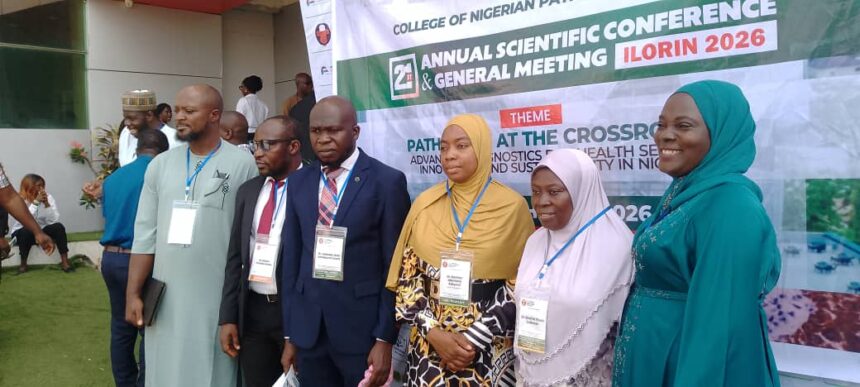
A Professor of Pathology and Blood Transfusion Medicine at the Lagos University Teaching Hospital (LUTH), Prof. Sulaimon Akanmu, gave the advice in Ilorin, at the 21st Annual Scientific Conference and General Meeting of the College of Nigerian Pathologists (CNP).
Akanmu, who teaches at the College of Medicine, University of Lagos, said the country’s health security depended largely on the ability of pathologists to adopt innovative and sustainable diagnostic methods, particularly amid emerging infectious diseases.
Related News
The conference has the theme, “Pathology at the Crossroads: Advancing Diagnostics for Health Security, Innovation, and Sustainability in Nigeria.”
He warned that inadequate preparation and outdated laboratory practices could undermine the country’s capacity to respond effectively to disease outbreaks.
The professor called for improved funding of laboratory services, local production of laboratory equipment and consumables, investment in data science, effective training of medical personnel and stronger partnerships among practitioners.
He also advocated a functional sample referral system to enable patients in remote communities without diagnostic facilities to access laboratory services in better-equipped centres.
Speaking, the National President of CNP, Prof. Kennedy Wariso, described pathology as laboratory medicine, explaining that pathologists play a critical role in determining the accuracy of medical diagnoses and treatment decisions.
Wariso urged practitioners to move beyond simply presenting laboratory results to providing comprehensive reports that would guide clinicians in managing patients.
He expressed concern over the shortage of pathologists in the country, attributing the challenge partly to the lengthy and expensive training process, as well as the increasing migration of medical professionals abroad.
According to him, many resident doctors leave Nigeria after passing their part-one examinations, further worsening the manpower shortage.
“We are appealing to government, once somebody has retired or somebody has travelled, replace the person if you have anybody available,” he said.
He also called on training institutions to increase their admission quotas to produce more specialists, while acknowledging that the migration of medical professionals was a global challenge affecting different disciplines.
The Kwara State Chairman of CNP, Dr Jameelu-deen Yusuf, said technological developments, particularly artificial intelligence (AI), were changing the practice of pathology and improving diagnostic processes.
He said the conference would also examine antimicrobial resistance and the growing threats posed by infectious diseases, including COVID-19 and Ebola.
He identified quality management systems, technological advancement and antimicrobial resistance as major areas participants should address.
In her goodwill message, the Kwara State Commissioner for Health, Dr Amina El-Imam, commended the college for choosing the state to host its conference and called for sustained collaboration between the government and the professional body.
She disclosed that the state had recently partnered with the college to conduct free sickle cell screening for adolescents in several schools.
El-Imam also appealed to pathologists and medical trainers to encourage young doctors to remain in Nigeria after completing their training.
Expressing concern over the country’s dwindling specialist workforce, she said Nigeria had fewer than 200 pathologists serving a population of more than 200 million people, stressing the need for urgent measures to address the shortage.