Saturday, 5 Sep 2026
Subscribe
The Graphic Newspaper
  • Home
  • News
  • Politics
  • Top Story
  • More
    • Technology
    • The Nation
    • Education
Reading: Nigeria’s persistent blackouts should have ended a decade ago — Prof. Ralf-Dieter Rogler
Font ResizerAa
The Graphic NewspaperThe Graphic Newspaper
Search
  • Home
  • News
  • Politics
  • Top Story
  • More
    • Technology
    • The Nation
    • Education

Trending →

Obbo-Ile Progressive Association appeals for urgent action on Osi-Obbo-Ile-Eruku-Egbe road

By The Graphic September 4, 2026

Kogi City Boy Movement to hold town hall meeting in Lokoja   

By The Graphic September 4, 2026

NKFI seeks The Graphic’s support to boost enrolment, youth vocational training

By The Graphic September 4, 2026

Govt House Press Crew celebrates Auditor-General, Adabenege at birthday

By The Graphic September 4, 2026

Kogi open bids for major roads in Ibaji, Bassa, Kabba/Bunu

By The Graphic September 4, 2026
Have an existing account? Sign In
Follow US
© 2024 Kogi State Newspaper Corporation. All Rights Reserved.
News

Nigeria’s persistent blackouts should have ended a decade ago — Prof. Ralf-Dieter Rogler

The Graphic
Last updated: September 5, 2026 9:26 am
The Graphic
Share
4 Min Read
SHARE

By Victoria Okpanachi

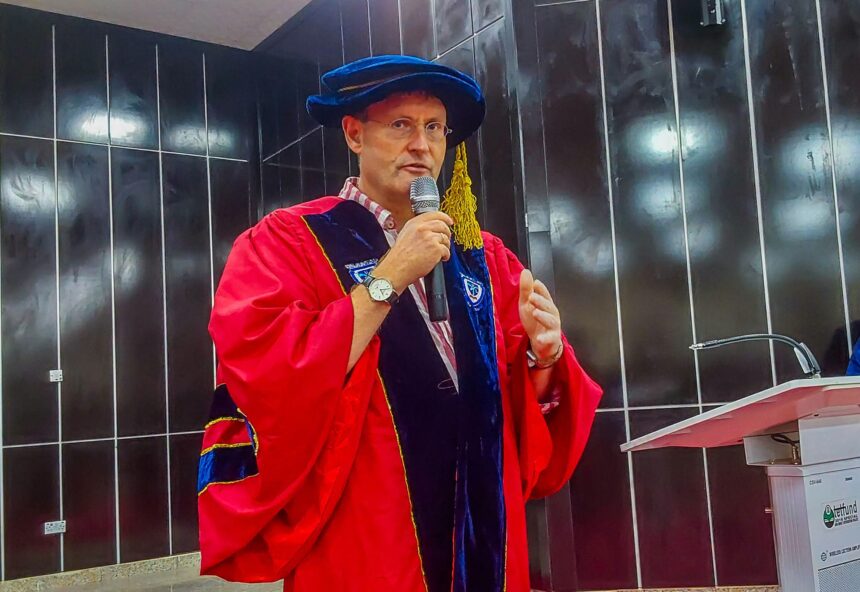
Professor Ralf-Dieter Rogler, a German electrical expert, has said Nigeria should not have experienced the persistent electricity blackouts in the last 10 years.

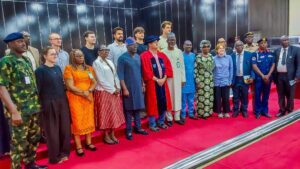
The professor of electrical engineering at a University of Applied Sciences in Germany, made the assertion on Friday, September 4, while delivering the 21st Distinguished Lecture of the Federal University Lokoja.

The lecture, titled “Comparison Between the Nigerian and German Electrical Grid: Lessons and Challenges to the Nigerian University System,” brought together stakeholders to examine the striking differences between the electricity systems of both countries and what Nigeria could learn from Germany’s experience.
Related News

Obbo-Ile Progressive Association appeals for urgent action on Osi-Obbo-Ile-Eruku-Egbe road
NKFI seeks The Graphic’s support to boost enrolment, youth vocational training
Kogi open bids for major roads in Ibaji, Bassa, Kabba/Bunu
Delayed distress call nearly escalates Asa-Dam fire in Ilorin
Perm Sec pledges support for Info Chapel, urges Journalists to uphold trust

The German professor explained that his country’s energy system had undergone significant changes over the years, with traditional sources such as coal gradually giving way to renewable energy.

He noted that Germany, despite having a much smaller population than Nigeria, had developed a diversified energy system that included several sources of electricity and had invested heavily in its transmission and distribution infrastructure.

Comparing the two countries, he noted that Germany, with about 82 million inhabitants and a land area of approximately 357,000 square kilometres, had an installed electricity generation capacity of about 119,400 megawatts and available power of 82,700MW, while, Nigeria, with a population of about 240 million and a land area of approximately 923,000 square kilometres, had installed capacity of only about 6,400MW, with approximately 3,800MW available.

 

The disparity, he said, became even more striking when the figures were considered on a per-capita basis. While Germany had about 840 watts of electrical power available per inhabitant, Nigeria had only about 10 watts. Germany also had approximately 40,000 kilometres of 220/380kV transmission grid and 75,000 kilometres of 110kV grid, compared with Nigeria’s roughly 6,000 kilometres and 4,000 kilometres respectively.

On reliability, Rogler presented figures showing that Germany recorded only about eight minutes of power loss annually, compared with approximately 2,800 minutes in Nigeria. He further noted that Germany had a load-sharing time of virtually zero minutes, while Nigeria could experience about 261,000 minutes, with electricity availability put at about 99.99 per cent in Germany compared with roughly 70 per cent in Nigeria.

According to him, the figures tell a story that Nigerians have lived for years with an electricity system that remains unstable and unable to consistently meet the country’s growing needs.
He also commended the university for the solar power system it had installed, describing alternative sources of energy as increasingly important in addressing energy challenges.

Earlier, the Vice-Chancellor of the Federal University Lokoja, Professor Gbenga Ibileye, said the Distinguished Lecture was organised to expose the university community to international practices and ideas that could contribute to solving local challenges.
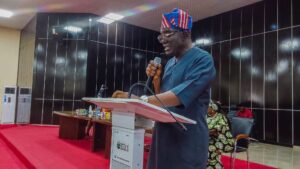
According to him, the lecture had reinforced the need for Nigeria to embrace multiple sources of energy to address its huge energy deficit.

Share This Article
Twitter Whatsapp Whatsapp Telegram
Previous Article Obbo-Ile Progressive Association appeals for urgent action on Osi-Obbo-Ile-Eruku-Egbe road
Leave a comment

Leave a Reply Cancel reply

Your email address will not be published. Required fields are marked *

Your Trusted Source for Accurate and Timely Updates!

Our commitment to accuracy, impartiality, and delivering breaking news as it happens has earned us the trust of a vast audience. Stay ahead with real-time updates on the latest events, trends.
FacebookLike
TwitterFollow
InstagramFollow
- Advertisement -
Ad image

Popular Posts

Tragedy strikes Kano sports contingent as 22 die in road crash returning from National Festival

From Taiye Joseph A dark cloud has descended on Kano State, following the tragic death…

By The Graphic

Al-Hikmah VC charges new students to uphold discipline, embrace academic excellence

From Taiye Joseph, Ilorin The Vice-Chancellor of Al-Hikmah University, Ilorin, Professor Noah Yusuf, has urged…

By The Graphic

2027: APC Youth Leaders drum support for Tinubu, Ododo

A group of Youth leaders of the All Progressives Congress (APC), have declared their resolve…

By The Graphic
The Graphic Newspaper
Facebook Twitter Youtube Rss Medium

The Graphic Newspaper is a publication of Kogi State Newspaper Corporation

About US


Top Categories
  • Market Trends
  • Tech Moves
Usefull Links
  • Advertise with us
  • Newsletters
  • Complaint
  • Deal

© Kogi State Newspaper Corporation. All Rights Reserved.

- Advertisement -
Ad imageAd image
Join Us!

Subscribe to our newsletter and never miss our latest news, podcasts etc..

Zero spam, Unsubscribe at any buzzstream.
Welcome Back!

Sign in to your account

Lost your password?