From Joseph Adahnu, Yola
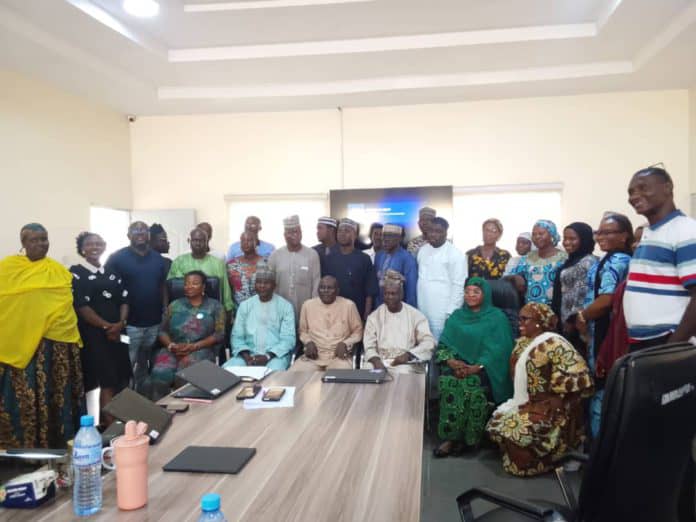
Stakeholders and journalists in Adamawa State have been trained on the growing impact of climate change on children’s health, nutrition, education and water, sanitation and hygiene (WASH).
Organisers said children from vulnerable and farming-dependent households, are among those worst hit by rising temperatures, erratic rainfall and food insecurity caused by climate change.
The engagement was coordinated by the Adamawa State Government in collaboration with UNICEF and the ASWA III Project, funded by the Government of the Netherlands.
Declaring the training open, the General Manager of Adamawa State Rural Water Supply and Sanitation Agency, RUWASSA, Mr. Emmanuel Esly, commended UNICEF, the Dutch Government and Governor Ahmadu Umaru Fintiri, for their support to the WASH sector.
Related News

He said RUWASSA is working to ensure more LGAs attain Open Defecation Free, ODF, status, and urged participants to use the knowledge gained to report accurately and sensitize communities on climate change.
The General Manager, Adamawa State Water Board, Engr. Dishion Gyathi, described the training as timely, stressing the need for quality reporting on how climate change affects citizens, food security and livelihoods.
In a paper presentation, Prof. Abel Adebayo of Modibbo Adama University, MAU, said climate change is already altering weather and agricultural patterns in the state.
He noted that studies show the start of the planting season has shifted from late April in the 1990s to as late as June in recent years.
Citing preliminary findings from a study on the 2024 drought in Adamawa, Prof. Adebayo said:
Groundnut production declined by 31%, beans by 46%, while maize and rice dropped by about 3% each compared to a normal year.
“When nutrition is affected, the health of our children is also in danger,” he warned, adding that beans and groundnuts are key protein sources for many households.
He also reported a 31.7% decline in annual rainfall and a 31% reduction in rainy days in the state.
The Head of WASH Unit at RUWASSA, Aisha Yusuf, said climate considerations must now be built into water, sanitation and hygiene interventions.
She said communities should work with WASH structures, volunteers, youth groups and traditional leaders to strengthen climate action.
“Monitoring of WASH interventions should no longer focus only on access to water and sanitation. It must also include climate and gender indicators,”_Yusuf stressed.
She disclosed that UNICEF-supported youth groups, including the YPASS initiative, are already carrying out climate action and awareness campaigns in communities.
Participants were charged to amplify messages that protect children’s rights and build resilience against climate shocks in Adamawa.