By Joseph Adahnu, Yola
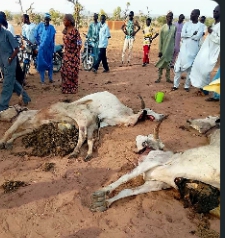
The Adamawa State Government, has destroyed over 70 cows after they grazed on suspected poisonous grass in Fufore LGA, saying the action prevented contaminated meat from entering the food chain and saved hundreds of lives.
Commissioner for Livestock and Agricultural Development, Salihu Idris, disclosed this today, Wednesday, during an inspection tour of the Jimeta Modern Abattoir, Yola.
Idris said the affected cattles were identified and destroyed at the scene in Tappa Jouli, Ribadu District of Fufore Local Government Area.
“The swift reaction of the government prevented the contaminated meat from entering the food chain. The decision was necessary to safeguard both animal and human lives,” the commissioner said._
Related News

He commended the prompt response of the ministry staffs in Fufore and personnel across the 21 local government areas of the state.
Idris reiterated the government’s commitment to public safety and healthy livestock, adding: “The action taken has potentially saved hundreds of lives that could have been at risk if the meat had been consumed.” He also thanked officials at the Jimeta Abattoir for their cooperation.
Permanent Secretary, Mohammed Suleiman, said surveillance has been intensified across the 21 LGAs. He said veterinary officers and other staffs are on alert to monitor livestock and prevent similar incidents.
He added that samples of the suspected contaminated grass and soil have been sent to the National Veterinary Research Institute, Vom, for analysis.
Director of Veterinary Services, Dr. Bartholomew Nyalas, explained that the suspected poisoning may have occurred after cattle grazed on wild sorghum that sprouted following the first rainfall. He noted that such plants can contain high levels of cyanide when consumed in large quantities.
Nyalas urged the public to promptly report suspected cases of animal disease to the nearest veterinary office, stressing that early detection and response are key to preventing outbreaks.
The state government assured residents of continued vigilance in protecting public health and strengthening livestock management.