By Joy Salami
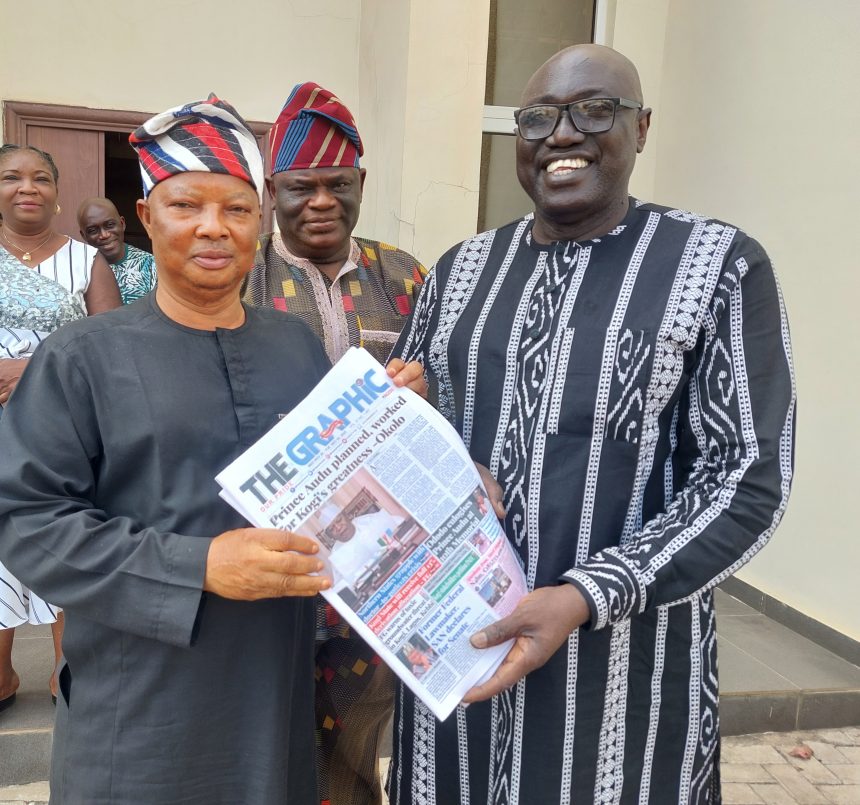
The pioneer Director of Information, Kogi State and aide to former Governor Abubakar Audu, Mr. Dan Okolo, has tasked The management of The Graphic to embrace modern technology and innovation as tools that can significantly enhance productivity, growth and sustainance of the newspaper.
He stated that no media organisation can thrive without clear ideas, defined editorial concepts, and systems that attract support.
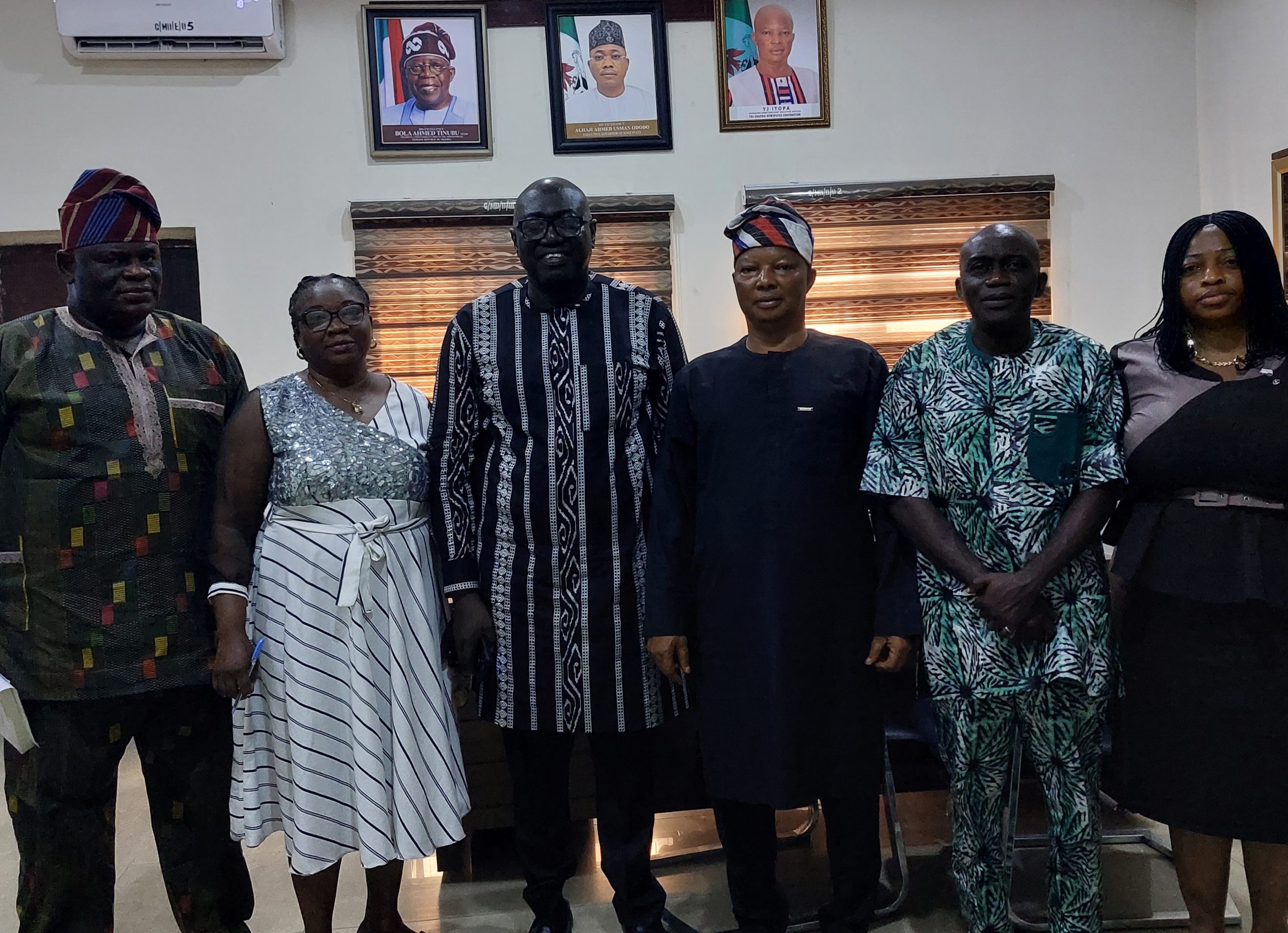
Okolo gave the advice during a meeting with the Managing Director, Mr. Yusuf Itopa, stressing that many media houses collapse not because government denies them money, but because they fail to build concepts, capacity, and structures that can justify investment.
Related News

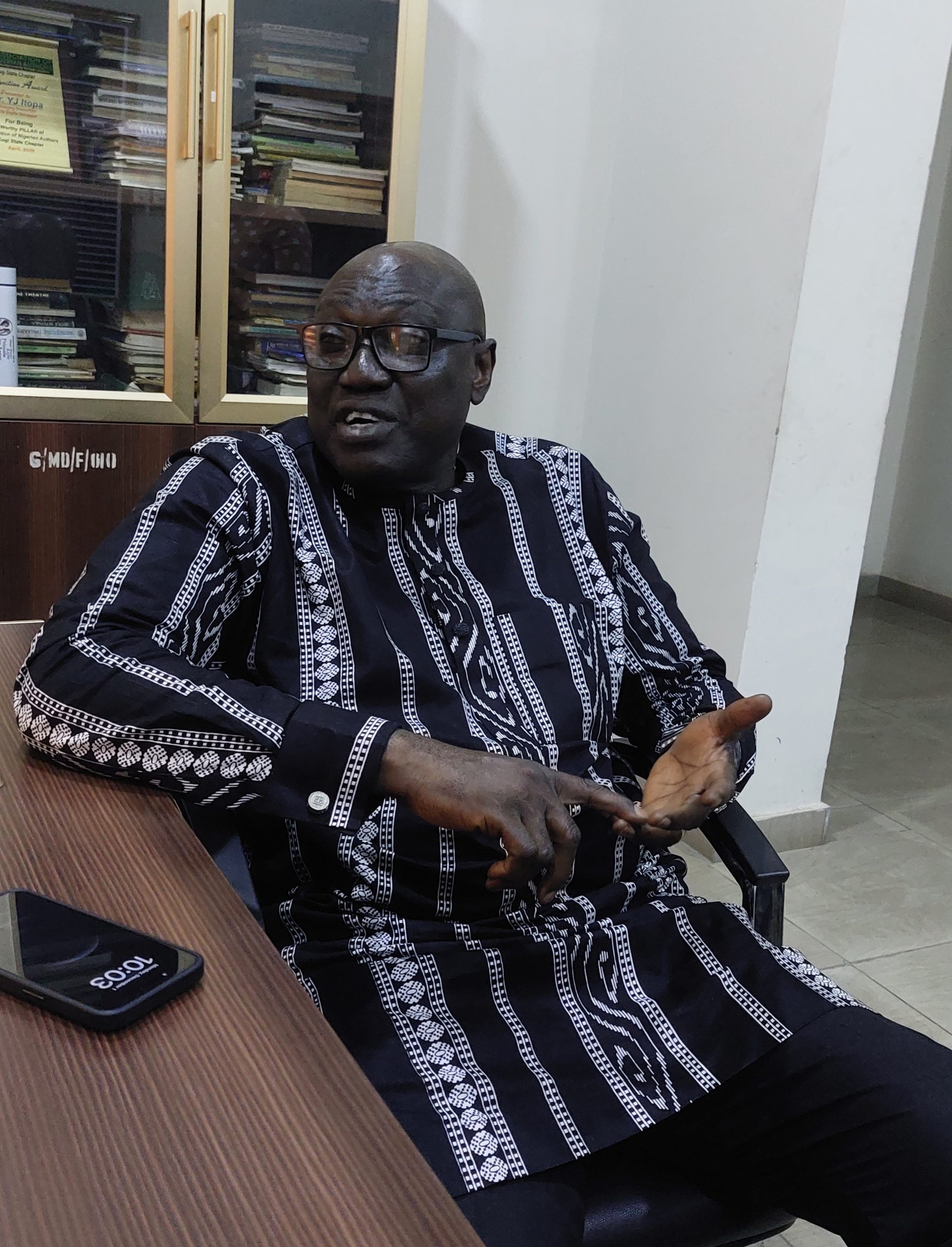
According to him, the survival and growth of the corporation depended more on innovation, modern technology, and strong internal structures than on continuous government funding.
He emphasised that sustainable development starts with simple steps: clear ideas, proper training, and purposeful editorial planning.
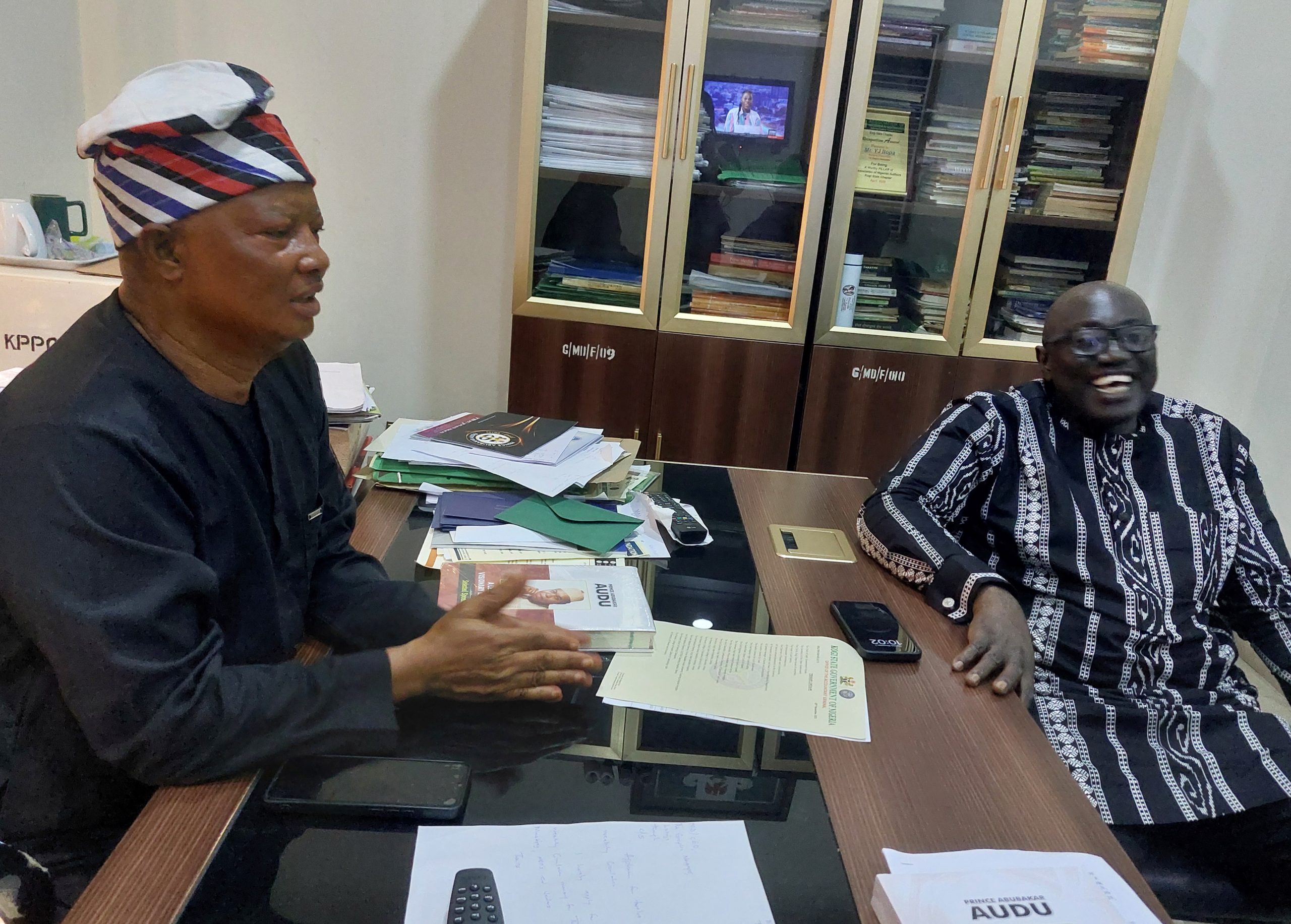
Okolo urged the corporation to strengthen its editorial policy by producing more human-interest stories, investigative features, and special reports that highlight development issues and areas needing government attention.
According to him, such journalism can help the government identify blind spots, especially on security challenges across the state’s three senatorial districts.
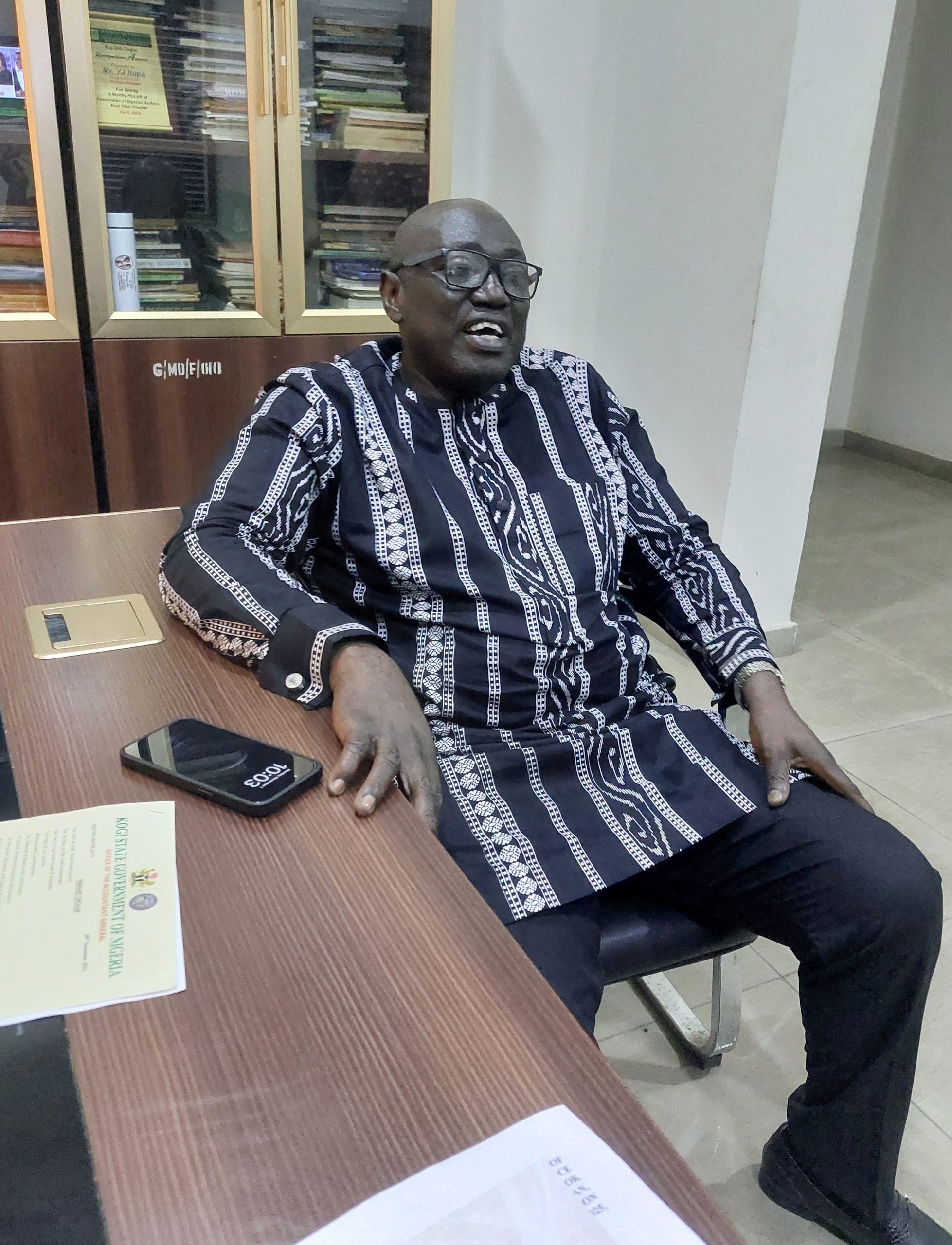
“There are certain things the governor doesn’t have information about. A well-researched special report can provide that, When you commend government efforts while revealing real community concerns, you are not attacking them, you are helping them act”, he further said.
Okolo encouraged the editorial team to engage security advisers, community leaders, and relevant authorities for balanced reporting.
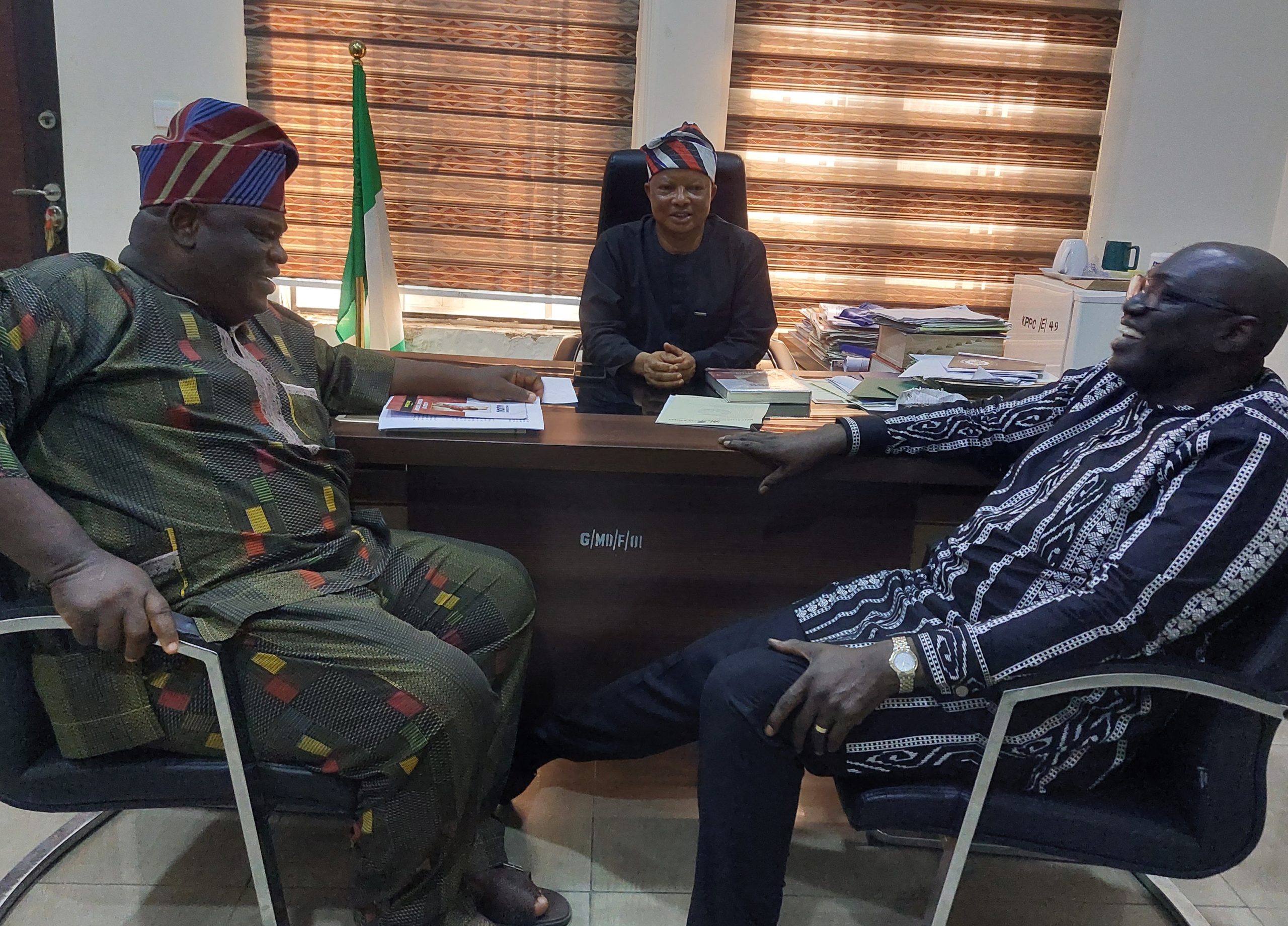
He added that stories grounded in real people and communities are more likely to attract readership and influence policymakers. Noting that there is no governor that won’t read a good story if you write it well with photographs.
The former director also advised the management to adopt modern digital printing machines, revive long-term editorial concepts, and rebuild a legacy that can be sustained across administrations. Just as he highlighted the need for consistency, strategic planning, and deliberate training for staff.
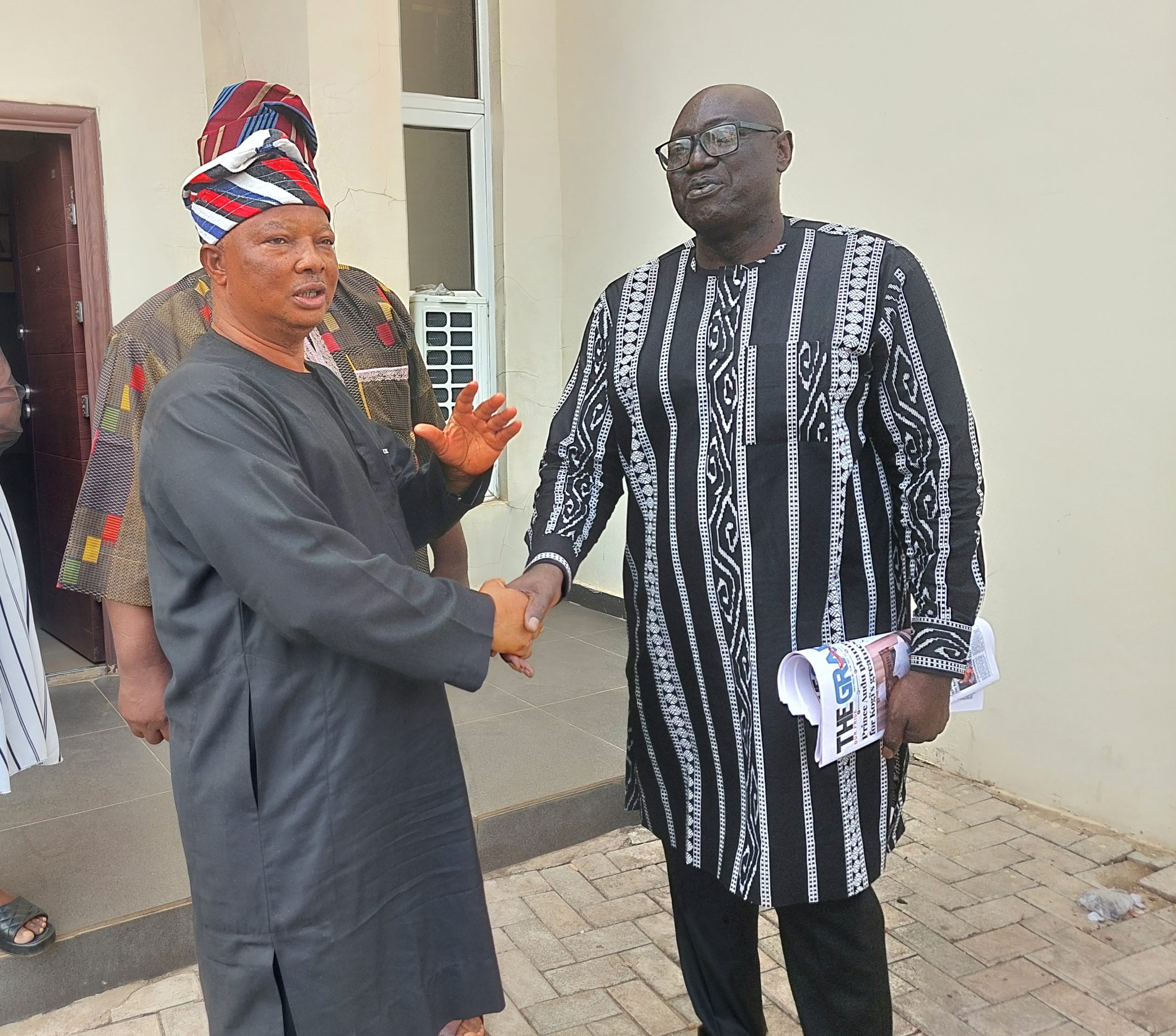
Reflecting on his time as Research and Training Editor with the organisation, Okolo recalled that the corporation once operated a vibrant in-house training unit that groomed staff, including journalists from radio stations and other media organisations.
He noted that the organisation had embraced technology as far back as 1992, when computers were first introduced into its production process, and urged the current leadership to maintain such forward-thinking initiatives.
Responding, the Managing Director, Mr. Yusuf Itopa, appreciated Okolo’s insights and assured that the corporation’s ongoing reforms, including renewed social media visibility, are part of broader efforts to reposition The Graphic.
The MD noted that the experience of senior professionals like Okolo was crucial for guiding the corporation. “Veteran insight is invaluable. People who have seen the system worked and know how to navigate government structures can help shape editorial direction in a way that benefits both the corporation and the public,” Itopa said.
We are fully aware that money alone cannot sustain a media house. Our focus is on building capacity, improving editorial quality, and embracing technology at all levels of production.
Itopa expressed confidence that combining innovation, training, and purposeful storytelling will help The Graphic Newspaper reclaim its position as a credible, public-interest publication capable of influencing policy and serving the people. “We are committed to learning, improving, and delivering journalism that matters,” he said.